A hybrid series molding machine pairs a servo-electric injection drive with a hydraulic clamping unit, and that single design choice can cut a plant’s energy bill by 30% to 60% compared to a standard hydraulic press. For manufacturers running multiple machines across two or three shifts, that difference shows up on the utility invoice within the first month. It also changes how fast a press recovers its purchase price.
This matters more now than it did five years ago. Electricity rates have climbed in most manufacturing regions, and resin costs remain unpredictable. A press that wastes power during every cooling and dwell phase is no longer a minor inefficiency — it’s a recurring cost that compounds across a 10-year machine life.
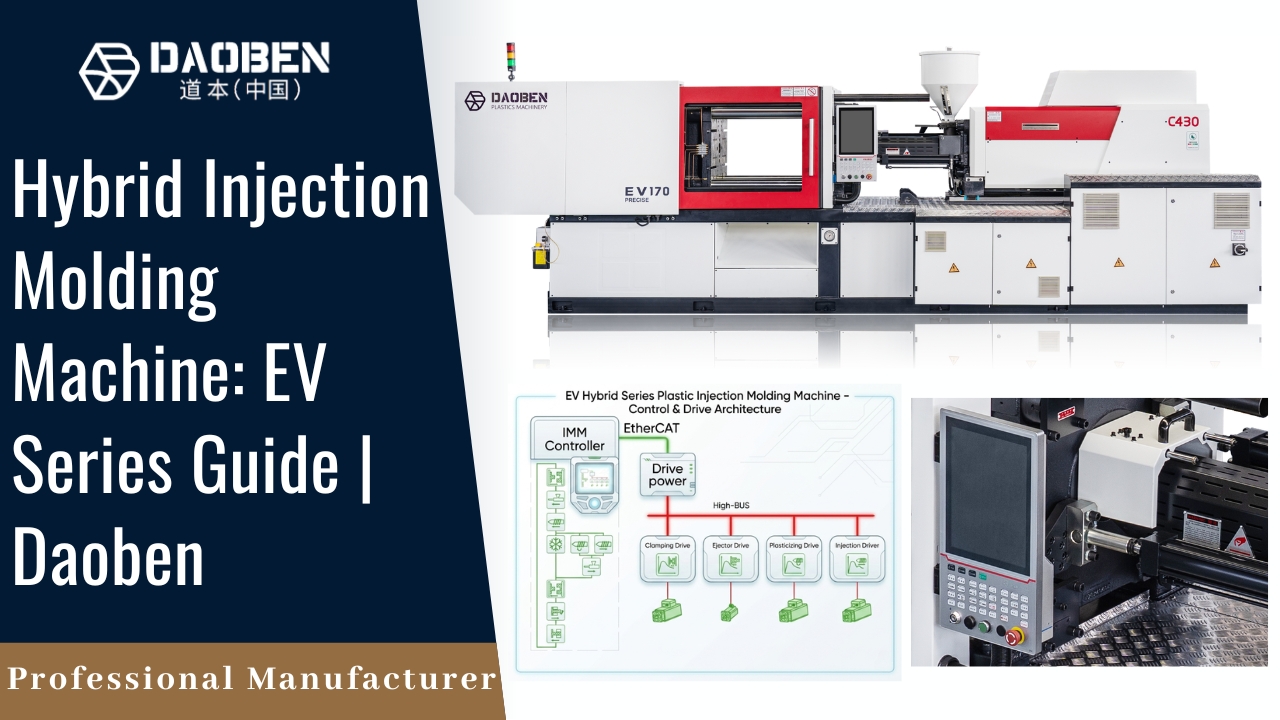
Daoben Machinery built the EV Hybrid series injection molding machine around this exact problem. The line uses a servo-electric injection unit combined with a hydraulic clamping system, covering clamping forces from 90 to 268 tons. It targets manufacturers who need the precision of an electric injection stage without paying for a full all-electric machine.
This article breaks down how the hybrid injection molding machine design saves energy, what the real cost numbers look like over a production year, and how the EV Hybrid series compares against fully hydraulic and all-electric alternatives. You’ll also find a tonnage comparison table and answers to the questions manufacturers ask most before they buy.
Quick Answer: A hybrid series molding machine combines servo-electric injection control with hydraulic clamping force, cutting energy use by 30–60% versus all-hydraulic machines. The Daoben EV Hybrid series delivers this through five models (EV90–EV268), reaching injection speeds up to 440 mm/s and clamping forces from 900 kN to 2,680 kN, while keeping upfront cost below a full all-electric press.
What Makes a Hybrid Series Molding Machine Different From Hydraulic and Electric Presses
A hybrid injection molding machine uses electric servo motors for injection and hydraulic power for clamping, splitting the two functions between the technology best suited to each. Hydraulic clamping still delivers the raw tonnage needed for large molds. Electric injection delivers the speed and repeatability that hydraulic pumps struggle to match.
Standard hydraulic machines run their pump motor continuously, even during cooling and dwell time when no force is needed. Industry estimates put this wasted “always-on” draw as high as 60% of total energy use on older fully hydraulic presses, according to a TopStar guide on servo-hydraulic technology. All-electric machines solve this completely but cost significantly more upfront, and they struggle with very large shot sizes where servo motors become expensive to oversize.
Why the Hybrid Approach Exists at All
Manufacturers don’t choose hybrid because it’s a compromise for its own sake. They choose it because most production runs don’t actually need a full all-electric machine to hit their quality targets. A mid-tonnage hybrid press gets close to electric-level precision on the injection side, where dimensional accuracy matters most, while keeping hydraulic clamping cost-effective for higher tonnage ranges.
This is the same logic behind Daoben’s broader injection molding machine manufacturer and supplier lineup, which spans servo-hydraulic, hybrid, and full-electric configurations across 30 to 4,000 tons. The hybrid tier sits in the middle deliberately — it’s built for manufacturers who need better-than-hydraulic energy performance without all-electric pricing.
How the Daoben EV Hybrid Series Cuts Production Costs
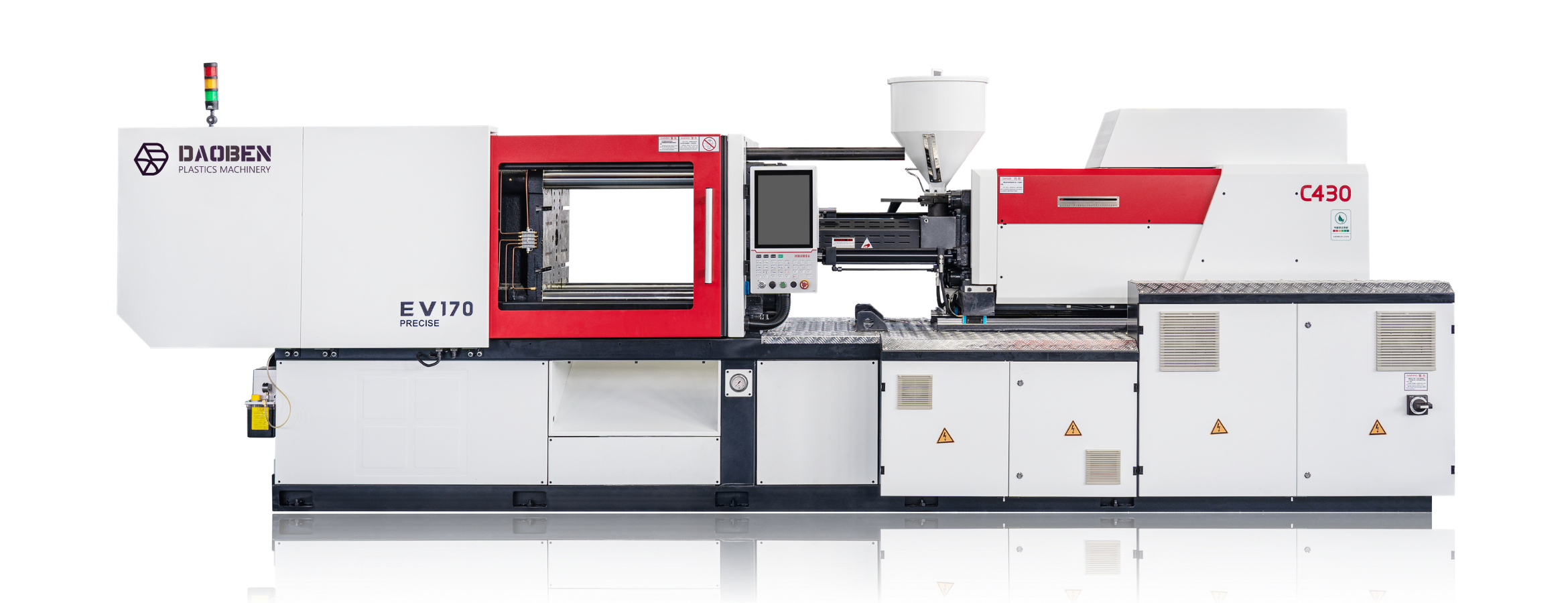
The EV Hybrid series reduces production cost by combining a low-inertia servo injection unit with a high-precision hydraulic clamping system, lowering energy draw while keeping part quality consistent across long runs. Five models cover a 90 to 268-ton clamping range, each built on the same modular platform.
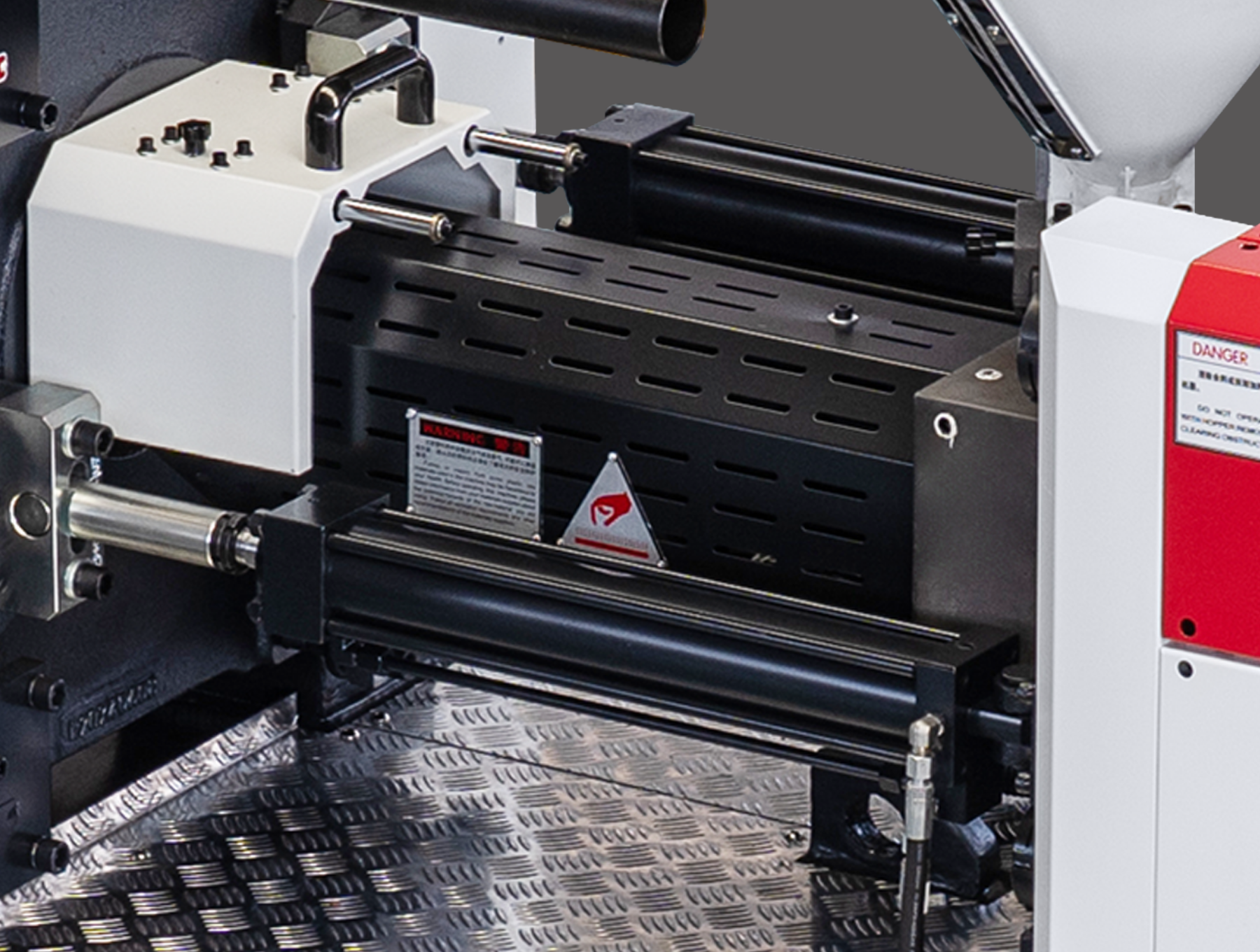
The injection unit uses the same servo motor type found on all-electric machines. This is a deliberate engineering choice. Injection speeds reach up to 440 mm/s on the EV90 through EV170 models, which matters directly for thin-wall and high-precision parts where fill imbalance and short shots are common failure points on slower hydraulic injection stages.
Servo Direct Control (SDC) Technology
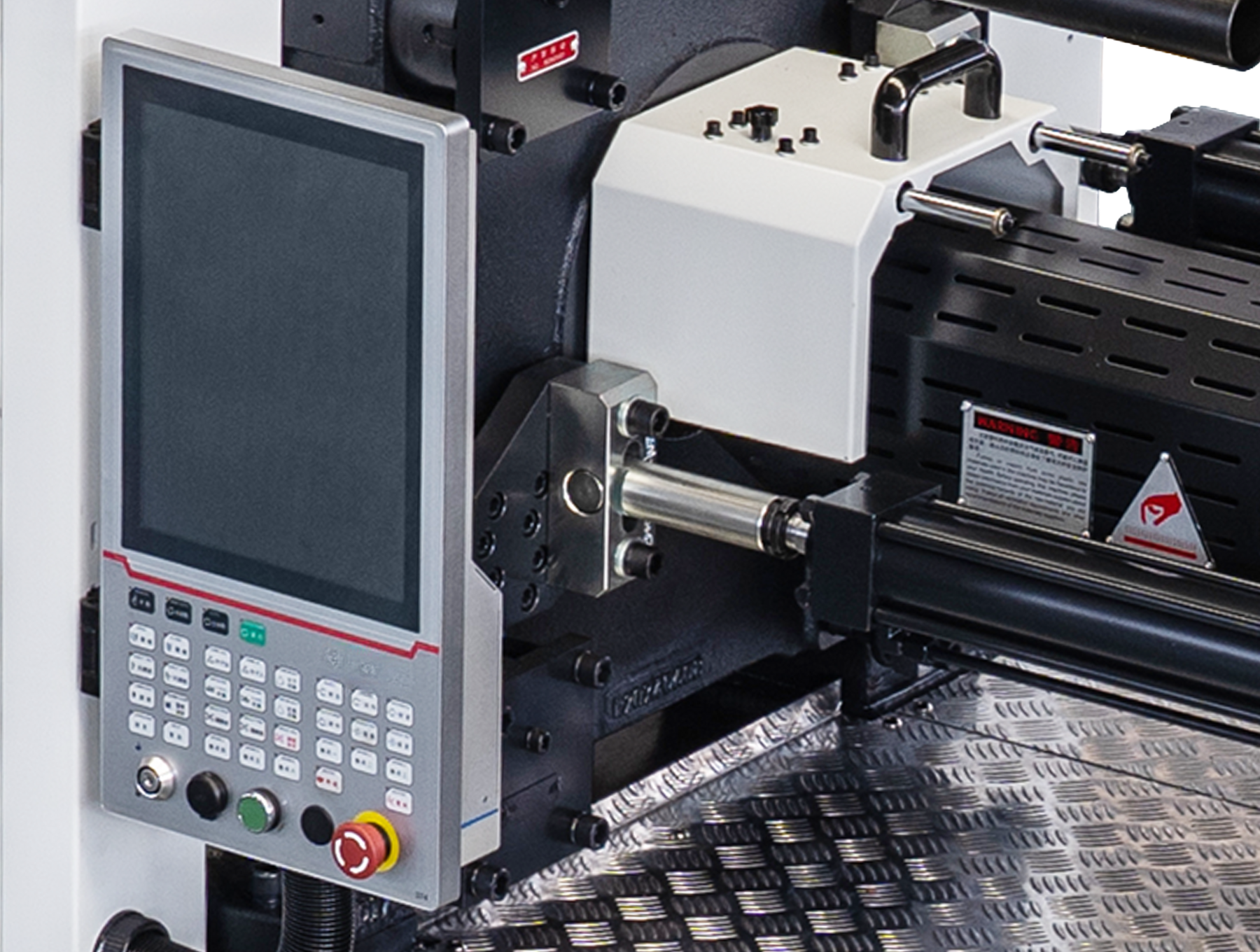
Daoben’s SDC system runs a control cycle of 0.120 milliseconds, compared to the 3–4 millisecond cycle on conventional controllers — roughly a 32-times reduction. The algorithm runs inside the servo driver hardware itself rather than waiting for commands from a separate PLC, which means position corrections happen locally and in real time. This directly improves accuracy at three points: injection position, mold-open position, and mold-close switching.
Clamping Precision and Mold Protection
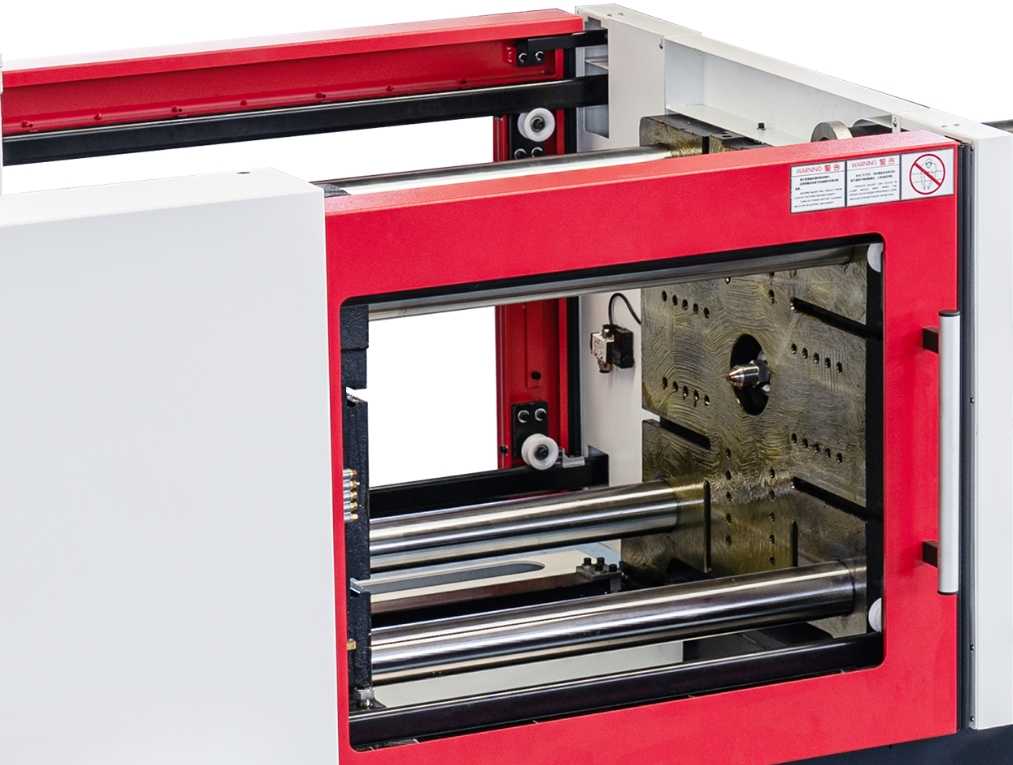
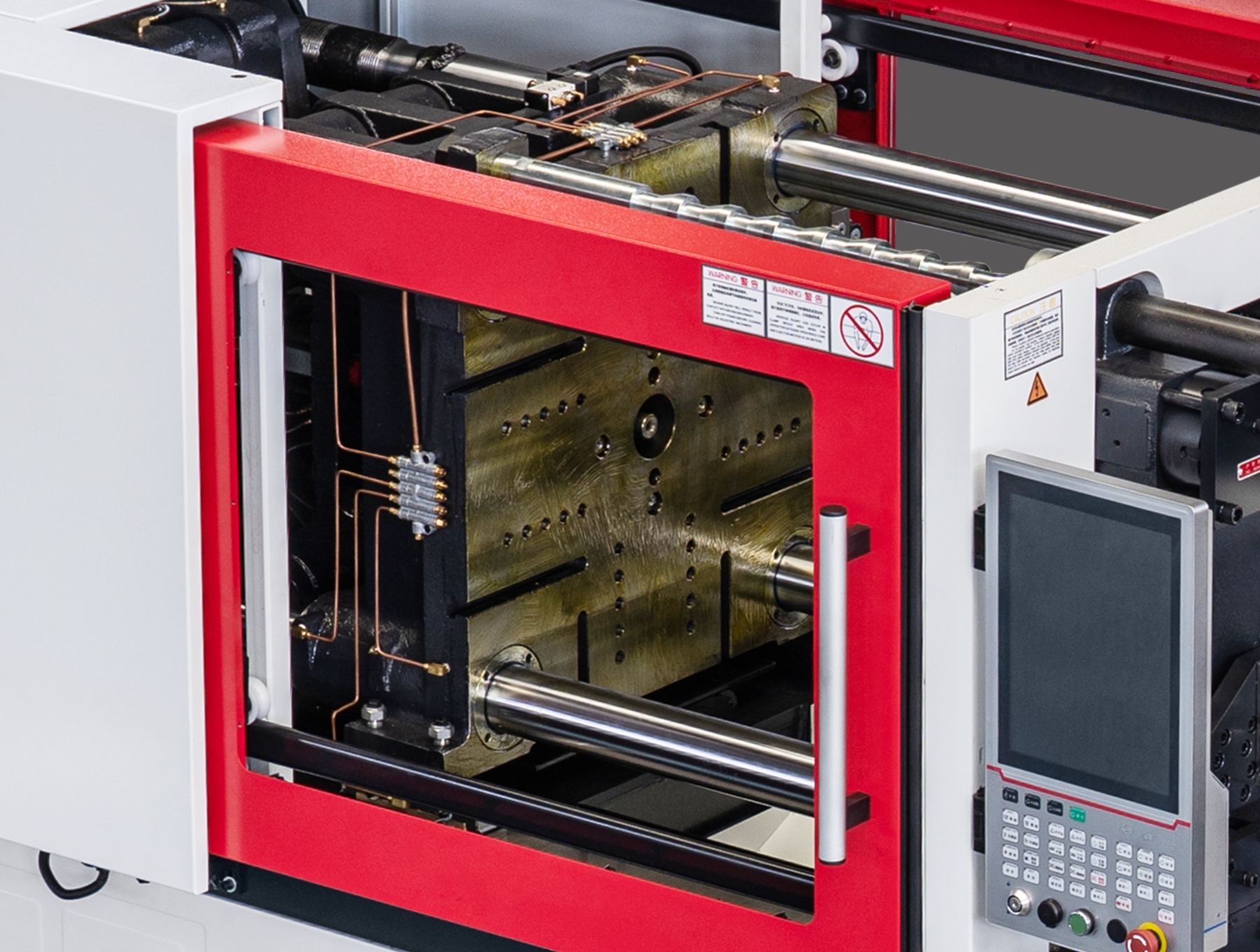
The clamping unit uses a high-precision proportional valve that holds mold-close positioning accuracy to 0.2 mm. That consistency protects the mold’s parting surfaces from uneven wear and helps maintain dimensional accuracy across an entire production run, not just the first few hundred shots. Clamping force across the line ranges from 900 kN on the EV90 to 2,680 kN on the EV268.
Energy Savings: What the Numbers Actually Mean for Your Electric Bill
A hybrid injection molding machine typically saves 30% to 50% in electricity costs against an all-hydraulic press of equivalent tonnage, because the servo motor only draws power during active movement instead of running continuously. On a press operating two shifts a day, this difference becomes a measurable, recurring line item rather than a marginal efficiency gain.
The mechanism behind this is straightforward. A standard hydraulic pump motor spins at constant speed regardless of what the machine is doing. During cooling, dwell, and idle time — which can account for a large share of total cycle time — that motor is still consuming power it doesn’t need. A servo-driven injection stage, by contrast, ramps up only when the screw moves and drops to near-zero draw the rest of the time.
Real-World Cost Comparison
| Machine Type | Typical Energy Savings vs. Hydraulic | Upfront Cost | Best Fit |
|---|---|---|---|
| Standard Hydraulic | Baseline | Lowest | High-tonnage, simple parts, lowest budget |
| Hybrid (EV Series) | 30%–50% | Mid-range | Precision parts, mixed tonnage, fast ROI |
| All-Electric | 40%–60% | Highest | Ultra-thin wall, cleanroom, very high precision |
Energy isn’t a small slice of the production budget either. According to standardized testing methodology under ISO 20028, which sets the international benchmark for measuring specific energy consumption in injection molding equipment, energy typically represents 5% to 15% of total production cost in plastic manufacturing. A 30% to 50% reduction in that category compounds meaningfully over a machine’s working life, especially on multi-machine production floors.
The European Union’s Ecodesign Directive has pushed this further by setting minimum energy performance requirements for qualifying industrial machinery, aiming for a 20% cut in industrial energy consumption by 2030. Manufacturers exporting to EU markets increasingly factor machine-level energy data into procurement decisions, not just sticker price.
EV Hybrid Series Specifications by Model
Choosing the right EV Hybrid model depends on clamping force, mold thickness range, and shot volume needs rather than price alone. The line covers five tonnage points, each with adjustable injection unit sizing to match different part families without changing the machine frame.
| Model | Clamping Force | Mold Opening Stroke | Mold Thickness Range | Ejector Tonnage |
|---|---|---|---|---|
| EV90 | 900 kN | 320 mm | 150–350 mm | 31 kN |
| EV130 | ~1,300 kN | — | — | — |
| EV170 | ~1,700 kN | — | — | — |
| EV220 | ~2,200 kN | — | — | — |
| EV268 | 2,680 kN | 560 mm | 220–600 mm | 77 kN |
Each tonnage point supports large, medium, or small injection units on the same base machine. This modular approach means a single EV Hybrid frame can run different resin types and shot volumes without requiring a separate machine purchase for every product family — a meaningful cost advantage for manufacturers serving multiple industries off one production floor.
Where the EV Hybrid Series Fits Best
The 90 to 268-ton range targets thin-wall and precision components: electronics housings, automotive interior trim, medical device components, and consumer goods that demand tight dimensional tolerances at moderate to high volume. Manufacturers running larger structural parts above 268 tons typically move to Daoben’s Two-Platen DU series or M8SII range instead, where hydraulic clamping dominance makes more sense at scale.
How Hybrid Machines Compare to Other Industry Brands
Brands across the injection molding industry — including Engel, Arburg, Sumitomo (SHI) Demag, and Toshiba Machine (now Shibaura Machine) — all offer hybrid or servo-hydraulic configurations, confirming that this technology has moved from niche to mainstream over the past two decades. Most major manufacturers now position hybrid models as their mid-tier offering between hydraulic and all-electric.
What separates models within this category usually comes down to control system response time, clamping precision, and the modularity of the injection unit. A side-by-side review of how different manufacturers approach injection molding machine design, including energy-saving drive systems, is available in Daoben’s breakdown of top injection molding machine brands.
Independent analysis of automated production economics backs up the broader cost case for servo-driven systems. A TechBullion review of automated plastic injection systems found that servo-hydraulic drive systems can reduce energy consumption by up to 60% compared to fixed-pump hydraulic machines, while also shortening cycle times by 15% to 25% through faster pressure response and reduced recovery time.
Frequently Asked Questions
What is the difference between a hybrid and an all-electric injection molding machine?
A hybrid injection molding machine uses an electric servo motor for injection and hydraulic power for clamping, while an all-electric machine uses servo motors for every function. Hybrids cost less upfront and handle higher tonnage more economically, making the hybrid series molding machine a practical middle option for mixed production needs.
How much energy does a hybrid series molding machine actually save?
A hybrid series molding machine typically saves 30% to 50% in electricity costs compared to an all-hydraulic press of the same tonnage. Savings come from the servo injection motor drawing power only during active movement, instead of running the pump continuously through cooling and dwell phases.
What clamping force range does the Daoben EV Hybrid series cover?
The Daoben EV Hybrid series covers five models spanning 900 kN to 2,680 kN of clamping force, equivalent to roughly 90 to 268 tons. Injection speeds reach up to 440 mm/s on the EV90 through EV170 models, suited for thin-wall and precision parts.
Is a hybrid injection molding machine worth the higher price over a standard hydraulic machine?
Yes, for most mid-volume precision production. The price premium over a basic hydraulic machine typically pays back through energy and labor savings within 18 to 30 months, depending on shift count and resin cost, making the hybrid injection molding machine a sound long-term investment rather than just an upfront expense.
What industries use the EV series injection molding machine most?
The EV series injection molding machine fits electronics housings, automotive interior components, medical device parts, and consumer goods requiring tight tolerances. Its 0.2 mm clamping positioning accuracy and high-speed servo injection make it suited for high-volume runs where dimensional consistency across thousands of cycles is critical.
Can one EV Hybrid machine run different mold sizes and resin types?
Yes. Each EV Hybrid model supports large, medium, or small injection unit configurations on the same machine frame, letting one press handle multiple product families and resin types. This modular design avoids the cost of buying a separate machine for every shot volume requirement.
The Right Hybrid Series Molding Machine Pays for Itself Fast
Choosing a hybrid series molding machine isn’t about chasing the newest technology — it’s about matching machine design to what actually drives cost on your production floor. Energy use, mold-close precision, and equipment longevity all show up directly in your per-unit cost calculation, shift after shift.
The Daoben EV Hybrid series was built around that math. Servo-electric injection cuts the energy waste built into older hydraulic designs, while the hydraulic clamping side keeps tonnage cost-effective across a 90 to 268-ton range. The result is a machine that competes with all-electric precision on injection speed and positioning accuracy, without the all-electric price tag.
If your current hydraulic machines are running up utility costs without matching today’s precision standards, it’s worth running the numbers on a hybrid upgrade. You can review full specifications and tonnage options on the EV Series injection molding machine page, or reach out to Daoben’s engineering team directly for a configuration suited to your mold sizes and resin types.