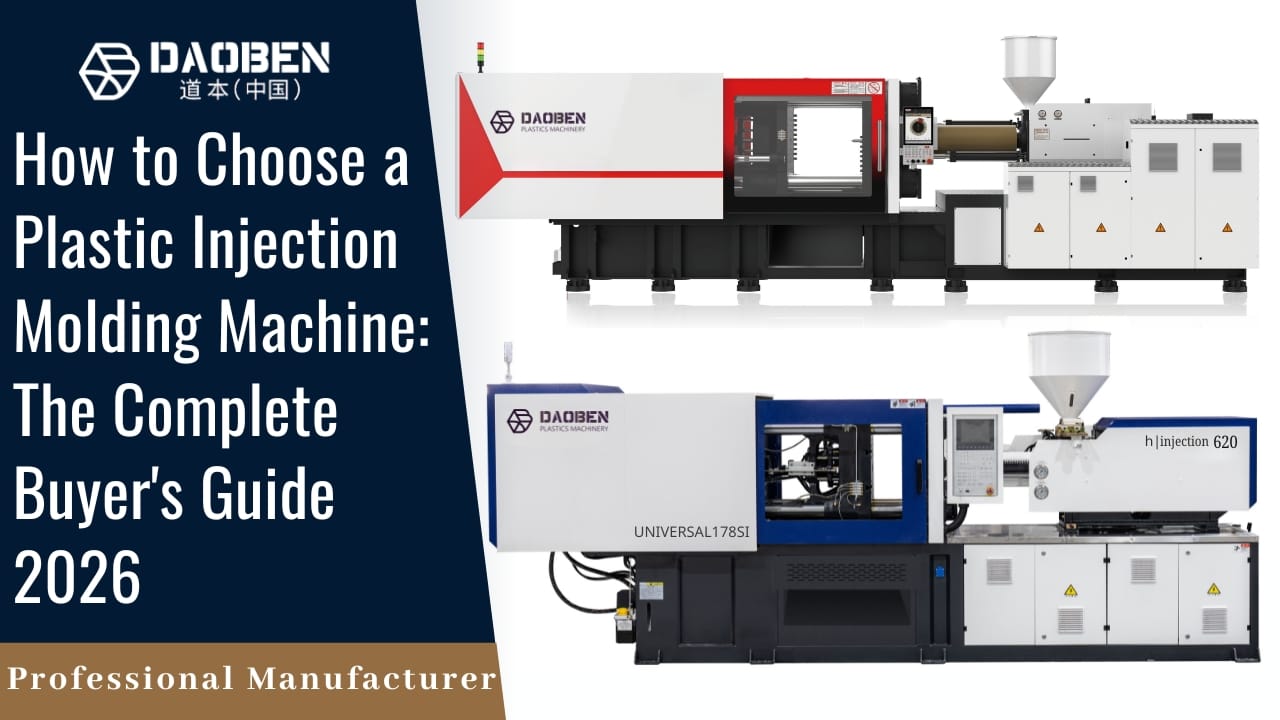
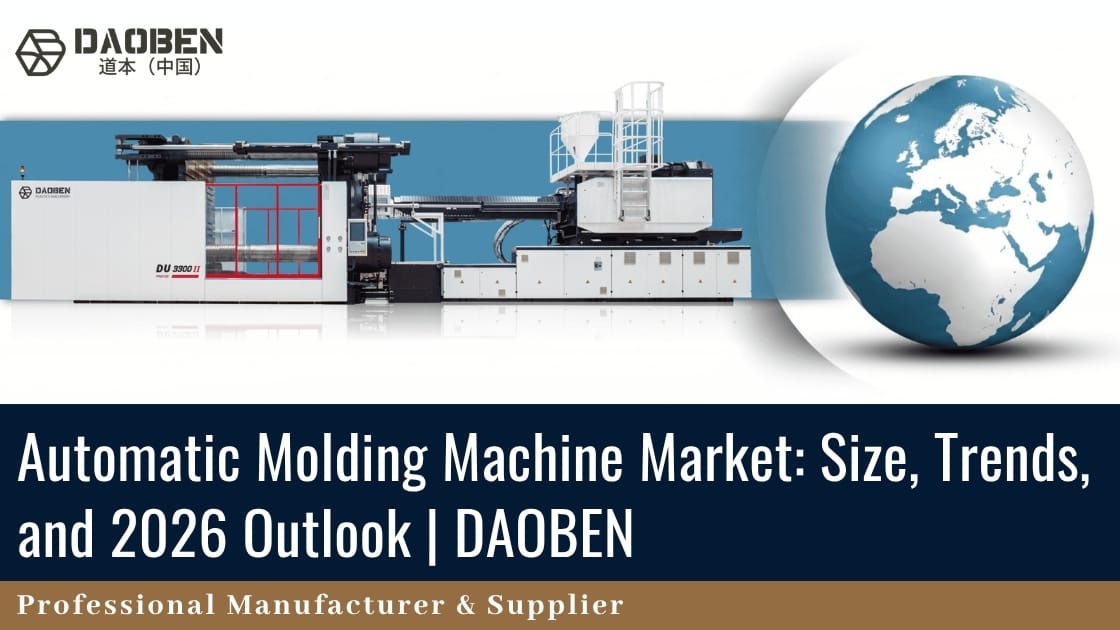
The automatic molding machine market keeps growing fast. Factories now move away from manual work toward machines that run on their own. Buyers want shorter cycles, less waste, and lower labor cost. So demand keeps climbing across plastics, auto parts, packaging, and medical goods.
This guide explains the market in plain terms. First, you get the size and growth picture. Then you see the main segments, the top drivers, and the leading regions. Finally, you learn what to check before you buy.
Automatic Molding Machine Market at a Glance
An automatic molding machine shapes plastic into parts with little or no human help. It clamps the mold, injects melted plastic, cools the part, and ejects it. Then it repeats the cycle on its own. Because of this, one machine can run for hours with only light supervision.
Demand comes from a simple need. Companies want more parts per shift at a steady quality. Automatic machines answer that need well. They cut mistakes, save labor, and keep output stable.
Growth is not the same everywhere. Asia leads on volume. Europe and North America lead on high-end, precision demand. Still, the trend points the same way in every region: more automation, fewer manual steps.
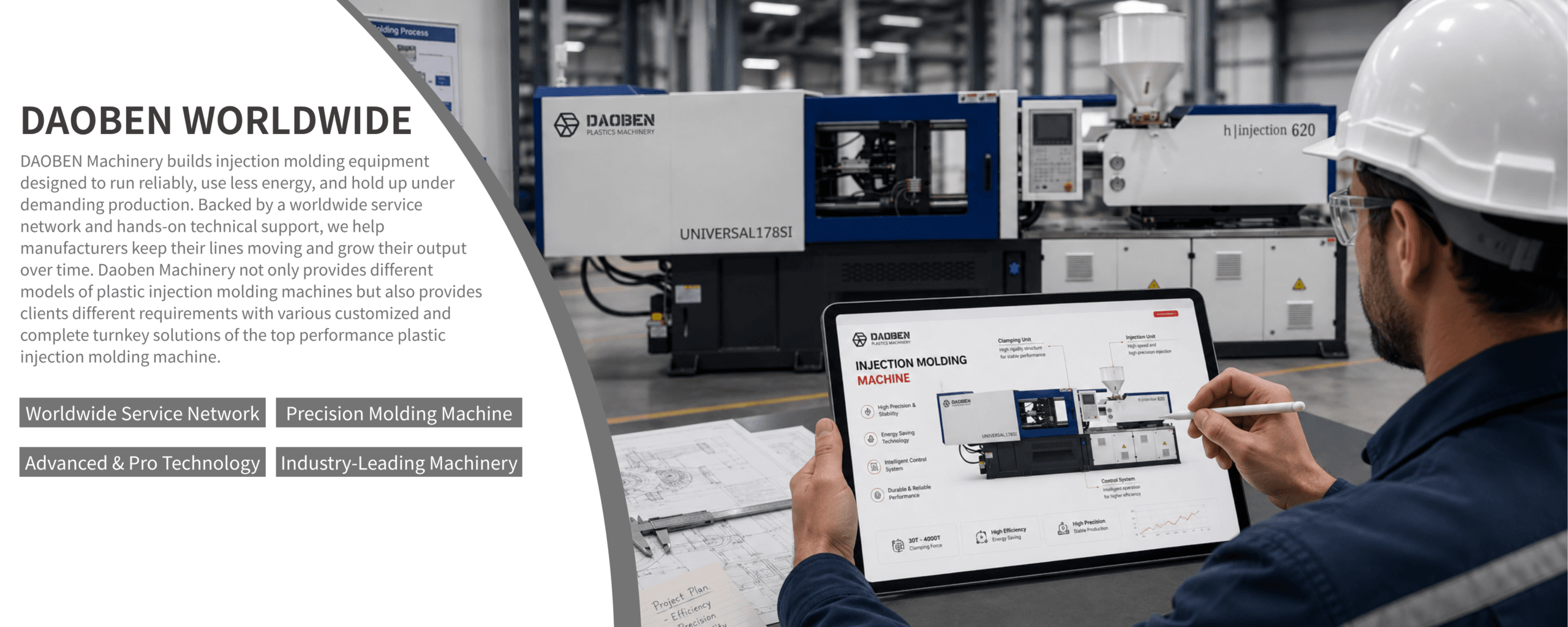
Fully Automatic Molding Machine Market
The fully automatic molding machine market covers systems that run a full cycle without an operator at the press. These setups often add robots, conveyors, and part sensors. As a result, they suit high-volume plants that run day and night.
Buyers pick fully automatic lines for three clear reasons:
- Steady output. The machine holds the same cycle time every run.
- Lower labor cost. One worker can watch several machines at once.
- Better safety. Fewer hands near the mold means fewer accidents.
This segment grows quickest in packaging, caps and closures, and thin-wall parts. These jobs need high speed and tight repeat quality. So full automation pays back fast.
High Speed Injection Molding Machine Market
The high speed injection molding machine market focuses on cycle time. These machines inject and clamp faster than standard models. Because of that, they push out more parts per hour.
Speed matters most for thin-wall products. Think food containers, cups, and lids. Here, the plastic must fill the mold before it cools. So fast injection is a must.
Electric and hybrid drives power much of this growth. Electric machines move fast and use less energy than older hydraulic types. Hybrid machines mix both, so they give speed and force together. Buyers who chase output and lower power bills often start here.
Plastic Injection Moulding Machine Market
The plastic injection moulding machine market is the core of this whole category. (Many buyers spell it “moulding” in the UK, India, and much of Asia.) These machines make most plastic parts you touch each day.
Applications are broad:
- Automotive: bumpers, panels, clips, and housings
- Packaging: bottles, caps, trays, and containers
- Medical: syringes, tubes, and device parts
- Consumer goods: toys, tools, and home items
Machine size ranges widely. Small presses start near 30 tons for tiny parts. Large presses reach 4,000 tons for big auto and industrial parts. To match a machine to a job, buyers weigh part size, wall thickness, and shot weight. For a full breakdown of costs by tonnage, see our plastic injection molding machine price guide.
Injection Molding Machinery Market
The injection molding machinery market is broader than the machines alone. It also covers robots, dryers, chillers, mold temperature units, and material handling gear. Together, these parts form a full molding cell.
This market grows because plants no longer buy just a press. Instead, they buy a complete system that runs as one unit. Auxiliary equipment now drives a large share of spending. Smart controls tie the whole cell together, so plant managers can track output from one screen.
Two forces push this segment forward. First, plants want less downtime. Second, they want tighter quality data. Connected machinery delivers both.
What Drives Market Growth
Several clear forces lift demand across every segment.
Rising labor cost. Wages keep going up in many regions. So automation looks smarter each year.
Higher quality demand. Buyers reject parts that vary. Automatic machines hold a steady standard, run after run.
Energy rules and cost. Power is a big line item for molders. Electric and hybrid machines cut that cost sharply. For a deeper look at this shift, this outside piece explains why energy-efficient injection molding machines are becoming the new standard.
Growth in end markets. Packaging, electric vehicles, and medical goods all need more molded parts. As those sectors grow, machine demand grows too.
Smart factory upgrades. Plants add sensors and data tools to their lines. Automatic machines fit this plan well.
What Holds the Market Back
The market faces a few real limits.
- High upfront cost. A full automatic line needs a large first payment. Small shops may wait.
- Skilled setup. Automated cells need trained staff to program and maintain them.
- Slow retooling. Changing molds and robots takes time. So very small batches may not suit full automation.
Still, most of these limits fade over time. Prices drop, training improves, and quick-change tools speed up mold swaps.
Key Market Segments
Buyers usually sort the market four ways:
Machine type: hydraulic, electric, and hybrid. Electric and hybrid gain share each year.
Clamping force: from small 30-ton presses to large 4,000-ton presses.
Application: automotive, packaging, medical, electronics, and consumer goods.
Region: Asia-Pacific, Europe, North America, and the rest of the world.
Each segment moves at its own pace. But every one shifts toward more automation and lower energy use.
Regional Outlook
Asia-Pacific leads the market by volume. China, India, and Southeast Asia host large plastic industries. Low cost and strong demand keep this region on top. Turkey also stands out as a fast-growing hub; buyers there often search for a plastic mold machine and a horizontal injection machine in their own language.
Europe focuses on precision and energy savings. German, Italian, and Austrian buyers value high-end, electric machines.
North America grows on the back of reshoring and medical demand. Plants there want automation to offset labor cost.
Across all regions, the same theme holds. Buyers want machines that run longer, faster, and cleaner.
Leading Players in the Market
The market holds a mix of global brands and strong regional makers. Well-known names include Haitian, Engel, Yizumi, Borche, and others. Each serves a different mix of price, size, and precision.
Chinese makers now compete hard on value and range. Daoben Machinery is one such supplier. We build plastic injection molding machines from 30 tons to 4,000 tons. So we cover small precision parts and large industrial jobs alike. Buyers choose us for a strong price, a wide range, and steady support.
When you compare suppliers, look past the sticker price. Check cycle time, energy use, spare part supply, and service reach. These factors shape your real cost over the life of the machine.
What Buyers Should Check Before Purchase
Before you buy, run through this short list:
- Part fit. Match tonnage and shot size to your part.
- Drive type. Pick hydraulic, hybrid, or electric based on speed and power needs.
- Energy use. Ask for real power figures, not just claims.
- Automation level. Decide how much robot and conveyor support you need.
- Support. Confirm spare parts, warranty, and local service.
A good match here saves money for years. A poor one costs you in downtime and scrap.
Frequently Asked Questions
What is an automatic molding machine? It is a machine that shapes plastic parts on its own. It clamps the mold, injects plastic, cools the part, and ejects it. Then it repeats the cycle with little human help.
How big is the automatic molding machine market? The wider injection molding machine market runs into the billions of dollars, and it grows at a steady mid-single-digit rate each year. [Add your sourced figure here for exact size and CAGR.] Asia-Pacific holds the largest share.
What drives growth in the injection molding machinery market? Rising labor cost, higher quality demand, energy savings, and growth in packaging, medical, and electric vehicle parts all push demand up.
What is the difference between fully automatic and semi-automatic machines? A fully automatic machine runs a full cycle with no operator at the press. A semi-automatic machine needs a worker to start or unload each cycle.
Which machine type is best: hydraulic, electric, or hybrid? It depends on your job. Electric machines run fast and save energy. Hydraulic machines give strong clamp force at a lower price. Hybrid machines mix both.
What tonnage do I need? Tonnage depends on part size and wall thickness. Small parts may need 30 to 100 tons. Large parts can need 1,000 tons or more. A supplier can size it for you.
Ready to Choose the Right Machine?
Daoben Machinery builds automatic injection molding machines from 30 to 4,000 tons. Tell us your part and target output, and we will match you with the right model. Contact our team for a quote today.