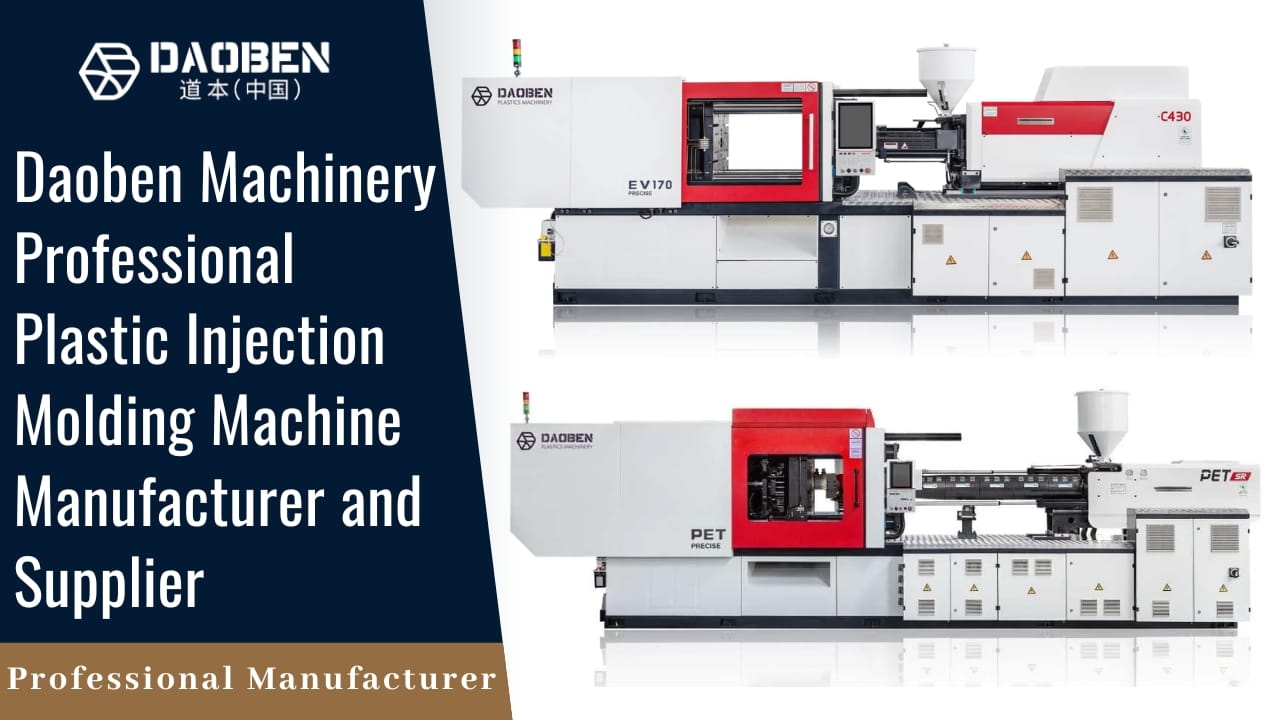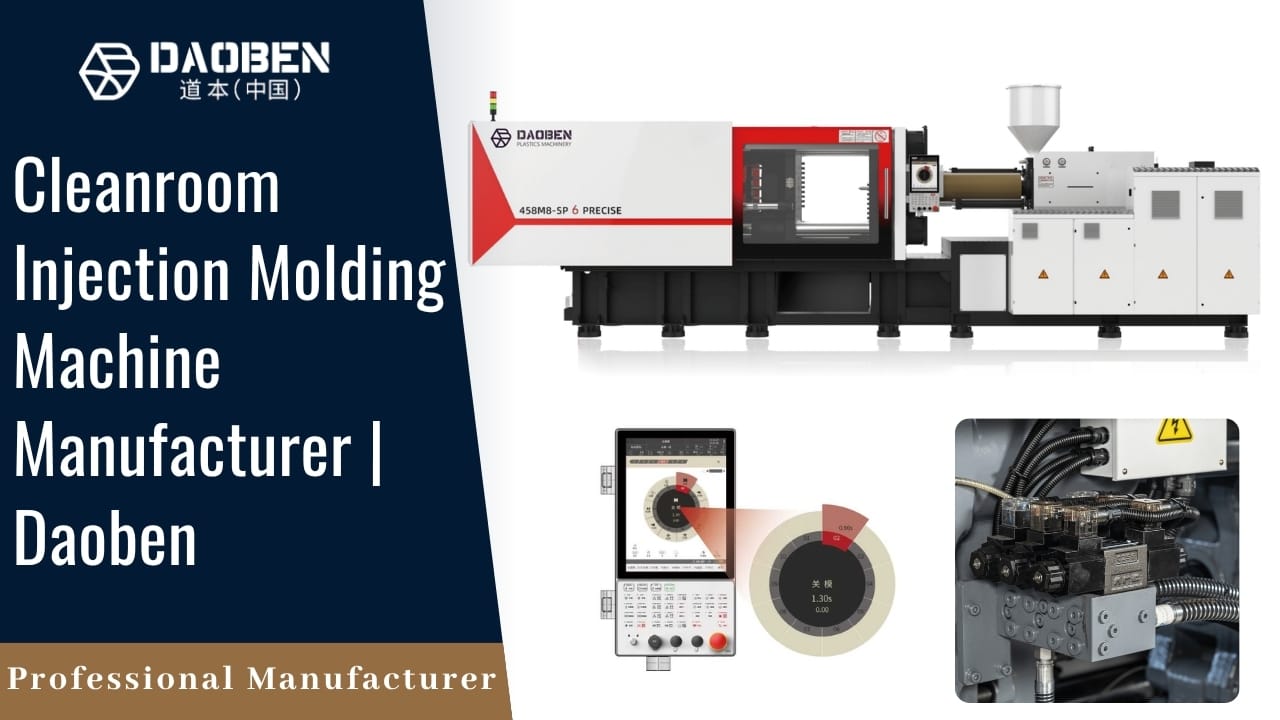

Processing PVC on the wrong machine doesn’t just slow production — it destroys it. Chlorine gas release, screw corrosion, and inconsistent wall thickness are the three most common problems manufacturers face when they pair PVC resin with equipment not specifically engineered for it. The right pvc molding machine fixes all three issues before they cost you money.
What Makes a PVC Molding Machine Different from Standard Injection Molding Equipment?
Not every injection molder can process PVC effectively. The material has a narrow processing window — the difference between the temperature where PVC flows well and the temperature where it starts to degrade is often less than 30°C. Push past that window, and you get discoloration, bubbling, and the release of hydrogen chloride gas.
A dedicated pvc molding machine addresses these challenges through specific design choices:
Corrosion-resistant metallurgy is the first and most critical difference. PVC releases HCl during processing, which attacks standard steel screws, barrels, and mold surfaces. Machines designed for PVC use hardened, chrome-plated, or specially coated screws and barrels that resist this chemical attack. Some high-end systems use conical screws with nitride-hardened tips for maximum longevity.
Temperature control precision separates good PVC machines from great ones. Barrel zones on a PVC-optimized machine typically offer finer temperature increments (1-2°C steps rather than 5-10°C). This granular control lets operators keep material in the safe processing range without guessing.
Screw geometry matters enormously. PVC requires a shallow-compression screw with a lower compression ratio (typically 2.0:1 to 2.5:1) compared to polyethylene or polypropylene screws (which run at 3.0:1 or higher). The gentler compression prevents excessive shearing, which generates heat internally and pushes material past its degradation point.
Shorter residence time is another design priority. Material sitting in the barrel too long at elevated temperatures breaks down. PVC injection machines often feature shorter barrels relative to screw diameter, reducing the time resin spends at high temperature before reaching the mold.

How to Choose the Right PVC Injection Molding Machine for Your Application
Selecting a pvc injection machine requires matching machine specifications to your specific parts and production volumes. Here’s how to approach that evaluation systematically.
Step 1: Define Your Tonnage Requirements
Clamping force determines what mold sizes and cavity counts your machine can accommodate. The calculation is straightforward:
Required Tonnage = Projected Mold Area × Estimated Cavity Pressure
For PVC compounds, cavity pressure typically falls between 3.5 and 5.5 tons per square inch, depending on part wall thickness and flow length. Thin-walled parts with long flow paths demand higher pressure.
Always add a 15-20% safety margin above your calculated requirement. Running a machine at maximum clamp consistently shortens mold and machine life.
Step 2: Match Shot Size to Part Weight
Your machine’s shot size should accommodate your part weight at 40-75% of rated capacity. Running below 40% wastes energy and causes inconsistent melting. Running above 75% leaves no buffer for process variation.
For example, if your PVC part weighs 180 grams and you’re running a 4-cavity mold, total shot weight is 720 grams. A machine with a 1,000-gram shot size keeps you at 72% utilization — right in the productive sweet spot.
Step 3: Evaluate Screw and Barrel Specifications
Request detailed screw specifications from any supplier you’re considering. For PVC processing, look for:
- Compression ratio between 2.0:1 and 2.5:1
- L/D ratio of 18:1 to 22:1
- Nitride-hardened or chrome-plated screw surface
- Corrosion-resistant barrel lining (bimetallic or ceramic coating)
- Non-return valve designed for abrasive, corrosive materials
These aren’t optional upgrades. They’re baseline requirements for reliable PVC processing. A machine lacking these features will show accelerated wear and contamination within months of running PVC compounds.
Step 4: Consider Automation and Downstream Equipment
High-volume PVC part production almost always benefits from automation. Robot part extraction, conveyor systems, and inline quality inspection reduce labor costs and catch defects before they reach downstream processes.
Our toggle clamp injection molding machines are specifically designed to integrate with these automation systems, offering fast, repeatable clamping cycles that work well with robotic extraction setups.
PVC Molding Machine vs. General-Purpose Injection Molder: A Direct Comparison
Buyers sometimes wonder whether a general-purpose injection molder with “PVC capability” can do the job. The answer depends on your production volume, part complexity, and how long you want your equipment to last.
| Feature | Dedicated PVC Molding Machine | General-Purpose Injection Molder |
|---|---|---|
| Screw Compression Ratio | 2.0:1 – 2.5:1 (optimized for PVC) | 2.8:1 – 3.2:1 (standard) |
| Barrel Coating | Corrosion-resistant (bimetallic/ceramic) | Standard steel or basic chrome |
| Temperature Control | ±1-2°C precision per zone | ±5-10°C per zone |
| Residence Time | Minimized via shorter barrel design | Standard barrel length |
| Mold Venting | Enhanced venting channels standard | Basic venting |
| Expected Barrel Life (PVC) | 18-36 months | 4-8 months |
| Gas Extraction | Optional vacuum/exhaust systems | Not available |
| Ideal For | High-volume, consistent PVC production | Low-volume or mixed-material runs |
The barrel life difference alone justifies a dedicated machine for any operation running PVC more than a few hours per week. Replacing barrels and screws on a general-purpose machine is expensive and creates production downtime.
Understanding PVC Pipe Molding Machines and Fitting Production
The pvc pipe molding machine segment represents a significant portion of the PVC processing market. Pipe fittings — elbows, tees, reducers, connectors — are almost exclusively produced through injection molding. These parts require specific machine characteristics beyond what standard PVC molding demands.
What Makes Pipe Fitting Production Different?
Pipe fittings often have thick wall sections combined with complex internal geometries. This means:
- Higher injection pressures are needed to fill long flow paths through thick walls
- Precise holding pressure control prevents sink marks on external surfaces
- Mold cooling efficiency is critical because thick sections take longer to solidify
- Core pulling mechanisms inside the mold require precise, synchronized machine movements
Machines built for pipe fitting production typically range from 200 tons to 1,500 tons, depending on fitting size and cavity count. Standard pipe fittings (½” to 4″ diameter) usually fall in the 200-600 ton range. Larger industrial fittings push into the 800-1,500 ton category.
Tonnage Guide for Common PVC Pipe Fittings
| Fitting Size | Typical Tonnage Range | Cavities per Mold | Cycle Time |
|---|---|---|---|
| ½” – ¾” elbows/tees | 150-250 tons | 8-16 cavities | 12-18 seconds |
| 1″ – 1½” fittings | 250-400 tons | 4-8 cavities | 18-25 seconds |
| 2″ – 2½” fittings | 400-700 tons | 2-4 cavities | 22-35 seconds |
| 3″ – 4″ fittings | 600-1,200 tons | 1-2 cavities | 30-50 seconds |
| 6″+ industrial fittings | 1,200-2,500 tons | 1 cavity | 40-80 seconds |
PVC Molding Machine Price: What to Expect and What Affects Cost
PVC molding machine price varies significantly based on tonnage, technology type, automation level, and origin. Understanding the cost structure helps procurement teams build accurate budgets and evaluate quotes meaningfully.
Price Ranges by Tonnage Category
100-300 Ton PVC Injection Machines: Entry-level machines in this range start around $25,000-$45,000 for basic hydraulic systems. Servo-electric or hybrid systems with PVC-optimized screws and barrels typically run $40,000-$75,000. These machines suit small-to-medium production runs of standard PVC fittings, electrical components, and consumer products.
300-800 Ton Machines: Mid-range PVC injection molders fall between $60,000 and $150,000 depending on technology and automation. This category handles most pipe fitting production, automotive PVC trim, and medium-volume industrial parts. Hybrid systems offer the best balance of performance and cost in this range.
800-2,000 Ton Machines: High-tonnage PVC equipment costs $120,000-$300,000+. These machines process large pipe fittings, automotive panels, and industrial containers. Servo-electric options at this tonnage command premium pricing but deliver significant energy savings over time.
2,000-4,000 Ton Machines: The largest PVC-capable machines exceed $250,000 and can reach $500,000+ with full automation packages. These handle the biggest industrial fittings, large automotive components, and high-volume packaging applications.
For a detailed breakdown of current pricing across all tonnage ranges, visit our injection molding machine price guide for 2025.
Hidden Costs Buyers Often Miss
Beyond the machine’s sticker price, factor in these additional expenses:
- PVC-specific tooling: Corrosion-resistant screws and barrels add $3,000-$15,000 depending on size
- Mold costs: Properly vented, corrosion-resistant molds cost 20-40% more than standard molds
- Installation and commissioning: Typically $5,000-$20,000 depending on machine size and site conditions
- Training: Operator and maintenance training programs, sometimes included, sometimes billed separately
- Exhaust/ventilation systems: Required for safe PVC processing, costing $2,000-$10,000
- Automation peripherals: Robots, conveyors, and dryers add significantly to total investment
Why Servo-Electric PVC Injection Molders Are Gaining Ground
PVC injection molders with servo-electric drive systems are becoming increasingly popular among manufacturers processing chlorinated compounds. The reasons go beyond energy savings.
Precision Advantages for PVC
PVC’s narrow processing window means that even small temperature fluctuations cause problems. Servo-electric machines deliver more consistent barrel temperatures because they generate less waste heat than hydraulic systems. The hydraulic pumps in traditional machines add thermal energy to the system continuously, which can push barrel temperatures above target without operator intervention.
Servo motors also provide superior injection speed and pressure repeatability. Cycle-to-cycle consistency translates directly to part quality consistency — critical when processing a material as sensitive as PVC.
Energy Cost Reduction
A 400-ton servo-electric PVC injection machine typically consumes 8-14 kWh per hour during active production. The hydraulic equivalent draws 22-30 kWh. Over two shifts and 250 working days per year, the difference adds up to $15,000-$30,000 annually depending on local electricity rates.
For manufacturers running PVC production five or more days per week, servo-electric machines typically pay back their price premium within 2-3 years through energy savings alone.
Mold Design Considerations for PVC Parts
The mold is just as important as the machine when processing PVC. Poor mold design causes processing problems that no amount of machine tuning can fix.
Venting
PVC releases volatile gases during processing. These gases must escape the mold cavity before plastic fills it. Inadequate venting causes burn marks, short shots, and surface defects. PVC molds require deeper vent channels than standard molds — typically 0.015″ to 0.020″ depth rather than the standard 0.008″ to 0.012″.
Surface Treatment
Mold surfaces in direct contact with molten PVC should be chrome-plated or coated with a corrosion-resistant material. Unprotected steel mold surfaces corrode quickly when exposed to HCl gas, which degrades surface finish and contaminates parts.
Gate Design
PVC flows well but degrades under shear stress. Gates should be sized generously to reduce shear heating during injection. Submarine gates work well for most PVC applications. Hot runner systems are viable but require careful temperature control — dead zones in the runner system cause material degradation.
Our valve system guide covers the different valve types used in hot runner systems and how to select the right configuration for corrosive materials like PVC.
Troubleshooting Common PVC Processing Problems
Even with the right machine and mold, PVC processing occasionally produces defects. Here’s how to diagnose and fix the most frequent issues:
Discoloration (yellowing or browning): This signals thermal degradation. Reduce barrel temperatures by 5-10°C. Check residence time — if material sits in the barrel too long, reduce cycle count or increase shot size slightly. Verify screw speed isn’t generating excessive shear heat.
Burn marks on parts: Usually caused by trapped gas that ignites during injection. Improve mold venting. Reduce injection speed in the late fill stage. Check that vent channels aren’t blocked by material buildup.
Surface roughness or streaking: Moisture in the resin causes streaks. Dry PVC compound to manufacturer specifications before processing. Also check mold surface condition — corroded or scratched mold surfaces transfer their texture directly to parts.
Inconsistent wall thickness: Typically a mold flow issue. Adjust gate location or size. Check that mold temperature is uniform across all cavities. Verify that injection pressure and holding pressure are set correctly for the part geometry.
Daoben Machinery: Manufacturing PVC Molding Machines from 30 to 4000 Tons
At Daoben Machinery, we design and build injection molding machines specifically capable of processing PVC and other corrosive thermoplastics. Our machines feature corrosion-resistant screws and barrels, precision temperature control, and robust clamping systems built to handle demanding production schedules.
We manufacture across the full tonnage spectrum — from 30-ton machines for small precision PVC components up to 4000-ton systems for large industrial fittings and automotive applications. Every machine leaves our facility with PVC-compatible metallurgy as standard, not as an aftermarket upgrade.
For manufacturers producing PVC chairs, containers, or structural components, our plastic chair making machine lineup demonstrates how our equipment handles high-volume PVC production reliably over extended production runs.
Selecting the Right PVC Molding Machine
Choosing a pvc molding machine is a decision that affects your production costs, part quality, equipment longevity, and operator safety simultaneously. The key points to carry forward:
- PVC demands corrosion-resistant metallurgy, precise temperature control, and low-compression screws. These aren’t optional features — they’re requirements.
- Match tonnage to your actual projected mold area, not to rough estimates. Over-specifying wastes money. Under-specifying creates quality problems.
- Consider total cost of ownership, not just purchase price. Energy consumption, barrel replacement frequency, and maintenance schedules determine real profitability.
- Servo-electric systems offer meaningful advantages for PVC processing but come at higher initial cost. Run the numbers based on your shift schedule and energy rates.
- Mold design works hand-in-hand with machine selection. Budget for proper venting, surface treatment, and gate sizing from the start.
Ready to Move Forward?
If you’re evaluating pvc injection molding machines for your facility, Daoben Machinery is here to help you find the right fit. We’re not a distributor or reseller — we’re the manufacturer. That means factory pricing, direct technical support, and machines built to your exact specifications.
Send us your part drawings, production volumes, and material specifications. Our engineering team will recommend the right machine configuration, provide a detailed quote, and answer any technical questions before you commit to a purchase.
Contact us today at www.daobenmachinery.com and let’s get your PVC production running right.