Plastic buckets are one of the highest-volume injection molded products in the world. From 5-litre paint containers to 20-litre agricultural chemical buckets, demand is constant — and growing. A well-chosen bucket molding machine determines whether your production runs fast, clean, and profitably, or whether you spend every shift chasing cycle time and scrap rate problems.
The global plastic packaging market was valued at over USD 348 billion in 2023 and continues to expand, driven by food, construction, and chemical industries. Bucket production sits at the heart of that demand. Bucket molds are deep, thin-walled, and require high injection speed combined with tight clamping force control — conditions that separate reliable machines from those that cause flash, warping, or sink marks.
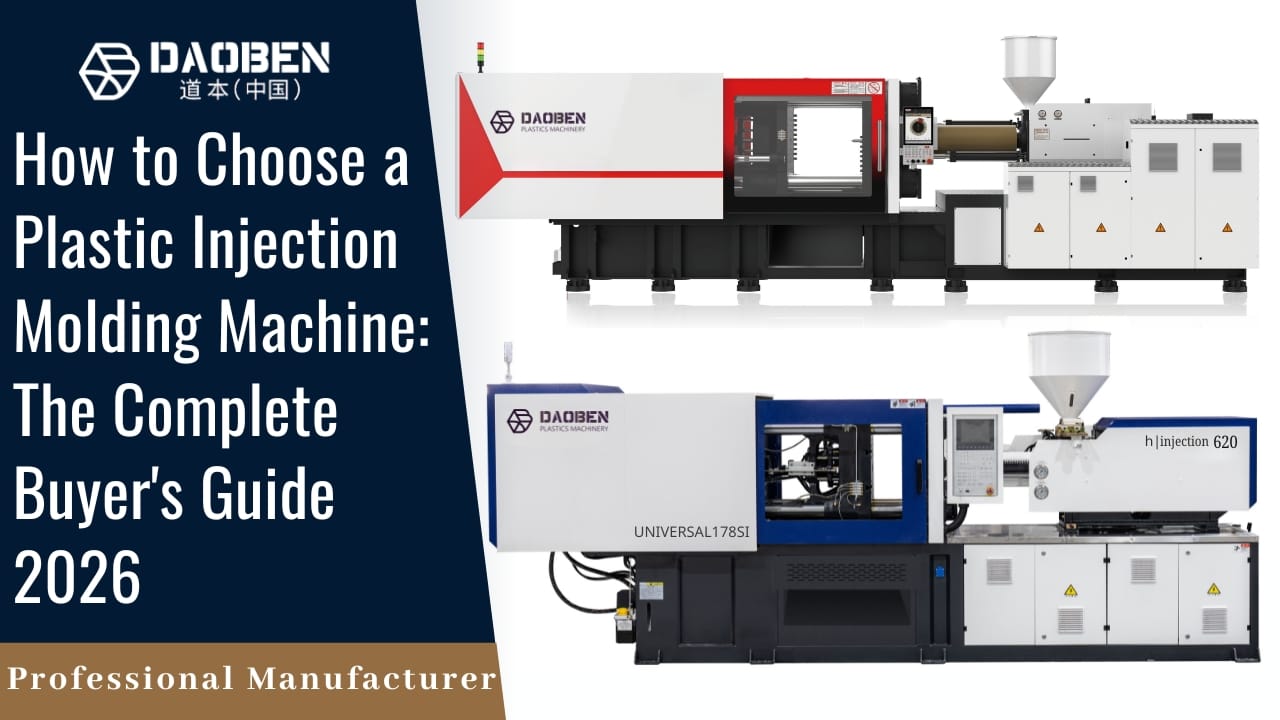
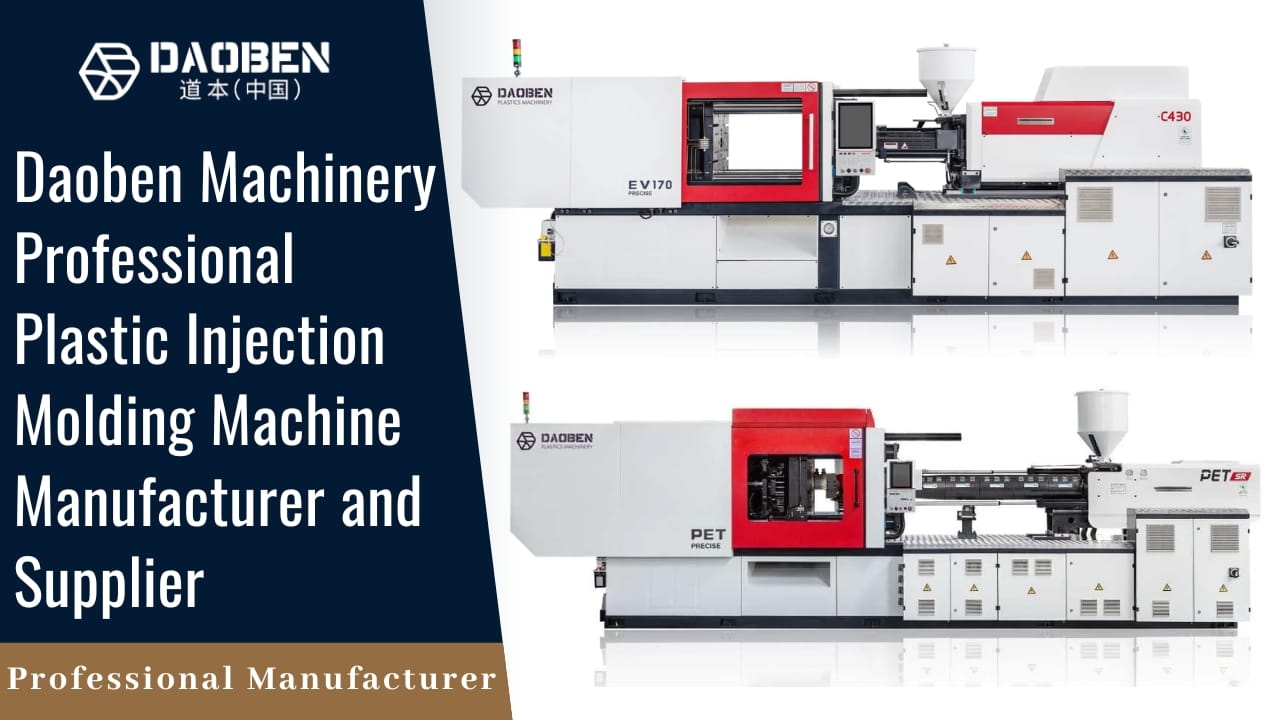
Daoben Machinery manufactures injection molding machines from 30 Ton to 4,000 Ton clamping force. Our machines serve bucket producers across Europe, Southeast Asia, the Middle East, and Latin America. This article covers how to choose the right machine for bucket production, what specs actually matter, and what to expect from a professional supplier.
Quick Answer: A bucket molding machine is a plastic injection molding machine configured for producing round, deep-draw containers. For standard 10–20 litre buckets, clamping forces between 380 and 500 Ton are typical. Key specs include high injection speed (above 200 mm/s), short dry cycle time, and servo-hydraulic or all-electric drive systems for energy efficiency and repeatability.
What Makes a Bucket Molding Machine Different From Standard Injection Molding Machines
A bucket mold is deeper than most injection molds. It also requires the mold to open fully before the part can be ejected — meaning clamping stroke and daylight distance are critical. Standard flat-part machines often lack the platen spacing needed for bucket tooling, which causes problems at setup or damages the mold.
Beyond platen distance, bucket production demands high injection speed. Thin bucket walls — often between 1.5 mm and 3 mm — cool fast. The material must fill the cavity before premature cooling causes short shots or weld lines. Servo-driven injection units deliver the precise, repeatable speed profiles required for consistent wall thickness.
Clamping Force Requirements for Bucket Molds
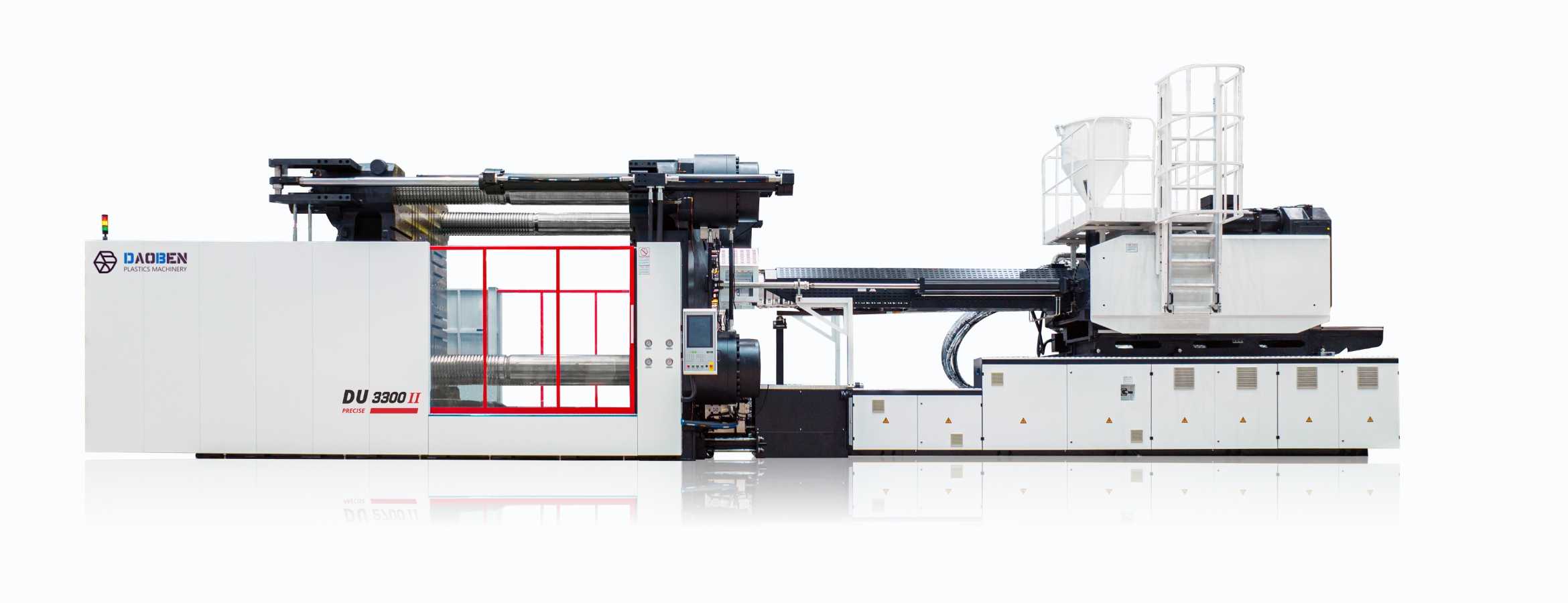
Clamping force for a bucket mold depends on the projected area of the cavity. A 10-litre bucket mold typically needs between 380 and 450 Ton. A 20-litre bucket increases that figure to 480–550 Ton. Underclamping causes flash and mold damage; overclamping wastes energy and shortens platen life.
Daoben’s M8SII and M7-S series machines cover clamping forces from 200 Ton to 1,200 Ton. These machines offer adjustable clamping speed profiles and real-time pressure feedback — features directly useful for bucket production where consistent part weight matters.
Injection Unit Specifications That Matter for Buckets
For a 10-litre PP bucket weighing approximately 280–320 grams, you need an injection unit with a shot volume of at least 800–900 cm³. Screw L/D ratios of 20:1 to 22:1 are standard for polypropylene (PP) and high-density polyethylene (HDPE) — the two most common bucket materials. These ratios give adequate plasticizing time while keeping melt quality consistent.
Injection pressure requirements for bucket molds typically fall between 1,400 and 1,800 bar. Machines with back pressure control and programmable injection profiles allow operators to dial in material behaviour for different bucket sizes without retooling the entire process.
Choosing the Right Bucket Molding Machine: Key Specs by Bucket Size
The best way to match a machine to your bucket production is to start with the finished part weight and projected area, then work backwards to clamping force and shot volume. Below is a reference guide based on standard bucket sizes in the PP and HDPE market.
| Machine Clamping Force | Bucket Size Range | Cycle Time | Best For |
| 160–200 Ton | 2–5 litre (small) | 6–10 seconds | Household & food-grade buckets |
| 250–320 Ton | 5–10 litre (medium) | 8–14 seconds | Paint, construction, general use |
| 380–500 Ton | 10–20 litre (large) | 10–18 seconds | Industrial buckets, bulk packaging |
| 500–650 Ton | 20–30 litre (XL) | 14–22 seconds | Heavy-duty chemical & agri buckets |
These figures are starting points. Thin-wall or multi-cavity bucket molds may push clamping requirements higher. A 2-cavity 10-litre bucket mold, for example, effectively doubles the projected area and may require 700–800 Ton. Always verify with your mold supplier’s cavity pressure data before finalising machine selection.
For producers running mixed product lines — buckets alongside crates or containers — Daoben’s Universal series offers wider tie-bar spacing and flexible clamping configurations. You can check injection molding machine pricing for 2025 to get a clear idea of budget requirements at different tonnage levels.
Material Compatibility: PP, HDPE, and Recycled Resins
Most buckets are produced from polypropylene (PP) or high-density polyethylene (HDPE). Both are commodity resins with well-understood processing windows. PP offers better rigidity and chemical resistance; HDPE provides toughness and impact strength at lower temperatures. Some food-grade buckets also use clarified PP to meet transparency requirements.
A growing segment of bucket manufacturers now uses recycled PP (rPP) or recycled HDPE (rHDPE) to meet sustainability targets. These materials require tighter temperature control and often benefit from longer screw L/D ratios to ensure homogeneous melt. Daoben machines support regrind ratios up to 30% with appropriate screw configuration — a practical reality in modern bucket production.
Food-Grade and Chemical-Grade Bucket Production
Food-grade buckets require FDA-compliant materials and contamination-free processing. Machines used for food-grade production should have stainless-steel-compatible barrels, verifiable temperature accuracy, and clean-room compatible designs where required. Chemical bucket production, meanwhile, demands consistent wall thickness to ensure safe containment — making process repeatability the top priority.
ISO 9001-certified manufacturing environments and machines with CE marking give buyers in regulated markets the documentation they need for end-product compliance. Daoben machines carry CE certification and come with full machine parameter records, which simplifies quality system documentation for customers in the EU, UK, and other regulated markets.
What to Look For in a Bucket Molding Machine Supplier
The machine itself is only part of the purchase. A reliable supplier provides application support before the sale, accurate machine recommendations for your mold, and responsive after-sales service. For bucket producers adding a new line, the supplier’s experience with deep-draw mold applications makes a measurable difference to installation speed and ramp-up time.
Key supplier criteria include: production range (can they supply both 200 Ton and 600 Ton machines from the same platform?), spare parts availability, local service engineers or authorised service partners, and machine warranty terms. A supplier offering only one tonnage range will limit you as production volumes scale.
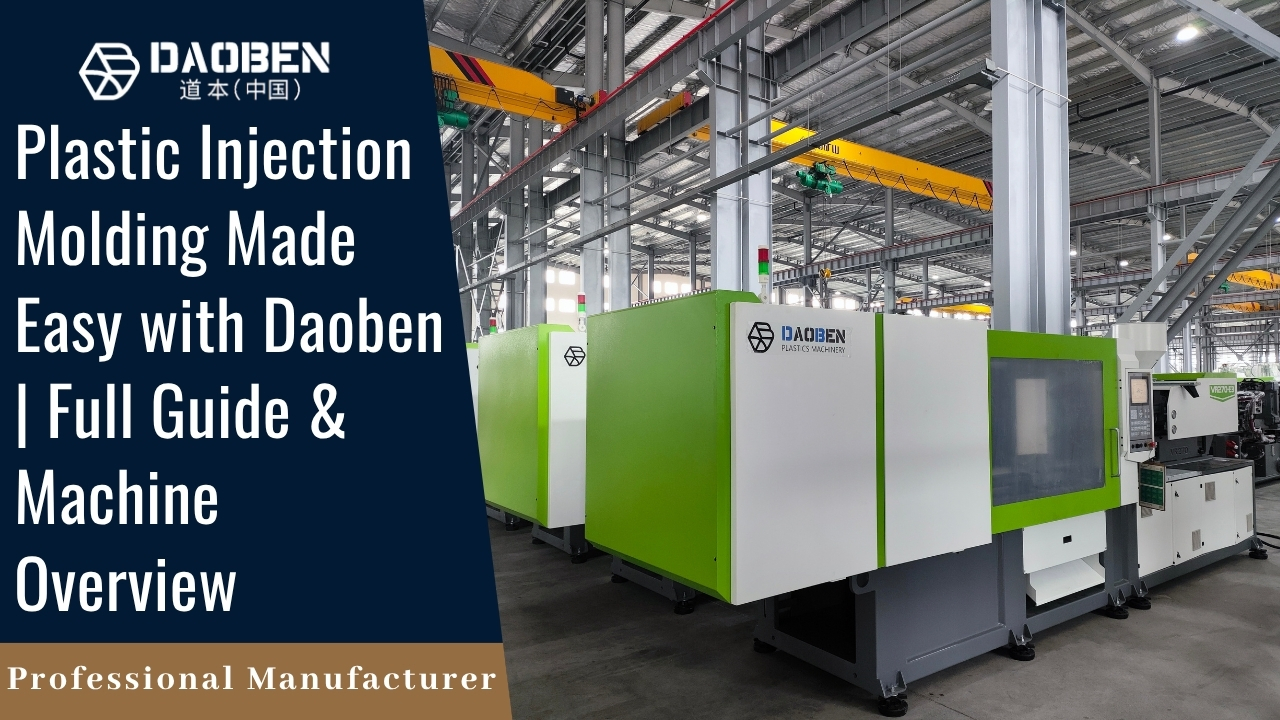
Daoben Machinery produces machines from 30 Ton to 4,000 Ton from a single manufacturing facility. Our injection molding machine product range covers servo-hydraulic, hybrid, and all-electric configurations. Customers get consistent interface design, shared spare parts categories, and common control systems — which reduces operator training time when adding a second or third machine to an existing line.
Energy Consumption in Bucket Production
Energy is a significant cost in high-volume bucket production. A 400-Ton servo-hydraulic machine consumes approximately 35–50% less energy than an equivalent conventional hydraulic machine running the same bucket mold. At production rates of 400–600 cycles per hour, that difference compounds quickly across a 24-hour operation. Independent research on per-unit cost reductions in automated injection molding confirms that servo-drive systems offer some of the strongest ROI improvements available to processors today.
Daoben’s servo-hydraulic series includes real-time energy monitoring via the HMI control panel. Operators can track kilowatt-hour per kilogram of output — a metric that feeds directly into production cost calculations and ISO 50001 energy management systems.
Bucket Moulding Machine Options: Servo-Hydraulic vs All-Electric
Both servo-hydraulic and all-electric machines work for bucket production. The right choice depends on bucket size, cycle time targets, budget, and whether the production environment favours clean-room or standard conditions.
Servo-hydraulic machines dominate bucket production above 300 Ton because all-electric drive systems at that scale are significantly more expensive. For bucket producers in emerging markets, the servo-hydraulic model offers the best balance of speed, reliability, and capital cost. All-electric machines suit smaller buckets below 5 litres where cycle times are very short and positional repeatability is critical for thin walls.
Turkey-based bucket producers, for instance, have seen strong adoption of servo machines for plastic crate and bucket production. Our plastic crate machine guide for Turkish buyers covers the machine specifications relevant to that market — many of which overlap with bucket production requirements.
Frequently Asked Questions
What clamping force do I need for a 10-litre plastic bucket mold?
A single-cavity 10-litre bucket mold typically requires between 380 and 450 Ton of clamping force. This depends on the bucket’s projected area, wall thickness, and injection pressure used. A 2-cavity mold of the same size roughly doubles the required tonnage. Always confirm the required clamping force with your mold maker before purchasing a bucket molding machine.
Which plastic material is best for injection molded buckets?
Polypropylene (PP) is the most widely used material for plastic bucket injection molding because of its stiffness, chemical resistance, and cost efficiency. HDPE is preferred where impact strength and low-temperature toughness are required. Food-grade buckets use FDA-compliant PP grades, while industrial and chemical buckets often use standard homopolymer PP or HDPE.
How fast does a plastic bucket injection moulding machine cycle?
Cycle time for a standard 10-litre PP bucket on a well-tuned injection moulding machine is typically 10 to 16 seconds, depending on wall thickness, mold cooling efficiency, and the machine’s dry cycle speed. High-performance servo-hydraulic machines with optimised cooling systems can achieve cycle times at the lower end of that range consistently across long production runs.
What is the difference between a bucket molding machine and a standard injection molding machine?
A bucket molding machine is a standard injection molding machine configured for deep-draw, large-daylight applications. The key differences are increased clamping stroke, larger platen spacing, and high-speed injection capability. Not every injection molding machine has the platen daylight or ejection stroke needed for deep bucket molds, so machine selection must account for the mold’s open height and ejection requirements.
How do I compare injection molding machine brands for bucket production?
Compare brands based on clamping force range, injection speed, dry cycle time, after-sales service network, and energy consumption ratings. CE marking and ISO 9001 certification matter for regulated markets. Reading a comparison of top injection molding machine brands can help you shortlist suppliers before requesting formal quotations.
Can Daoben machines handle recycled PP for bucket production?
Yes. Daoben injection molding machines support regrind content up to approximately 30% when using an appropriate screw configuration. Recycled PP (rPP) and rHDPE are compatible with Daoben’s servo-hydraulic and hybrid machine series. Process parameters — particularly back pressure and melt temperature — require adjustment when using recycled resins to maintain consistent part weight and appearance.
The Right Bucket Molding Machine Reduces Cost at Every Shift
Bucket production is a volume business. Margins are tight, competition is global, and buyers compare cost per piece across multiple suppliers. A machine that cycles two seconds faster, uses 40% less energy, and maintains consistent part weight over three shifts compounds those advantages into real cost differences — per day, per week, per year.
Machine selection also affects tooling life. Accurate clamping force control reduces flash and mold wear. Consistent injection profiles reduce rejects and rework. These factors matter more than headline machine price — because the true cost of a bucket molding machine is what it costs per kilogram of good output over its service life.
Daoben Machinery has supplied injection molding machines to bucket producers across more than 40 countries. Our machines cover the full range from compact 160-Ton units for small household buckets to 650-Ton configurations for 25-litre industrial containers. We provide machine recommendations based on your mold specification, not just a product catalogue.
To discuss your bucket production requirements or request a machine specification, visit our injection molding machine product page and contact the Daoben technical team directly.