Many first-time molders start with one mold, one resin, and one customer. Their first machine has to be easy to learn, safe to run, and forgiving when settings are not perfect. That is a different brief from a 30-machine factory chasing every tenth of a second.
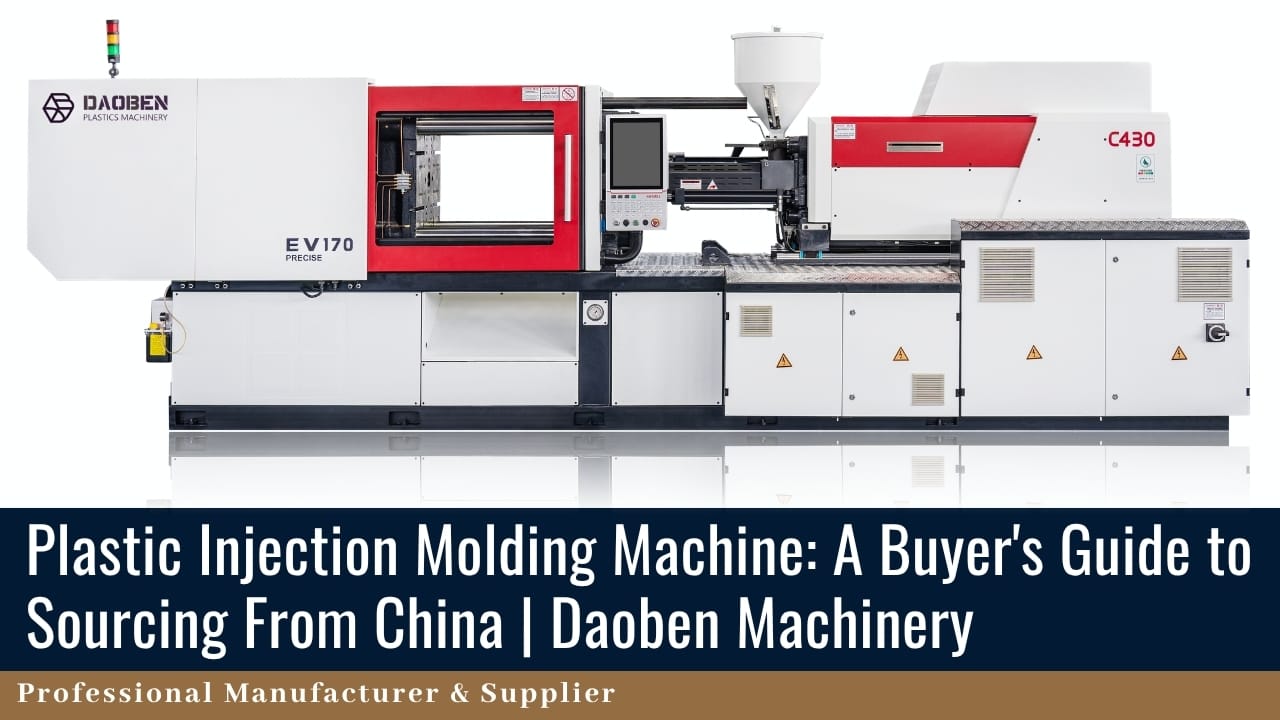
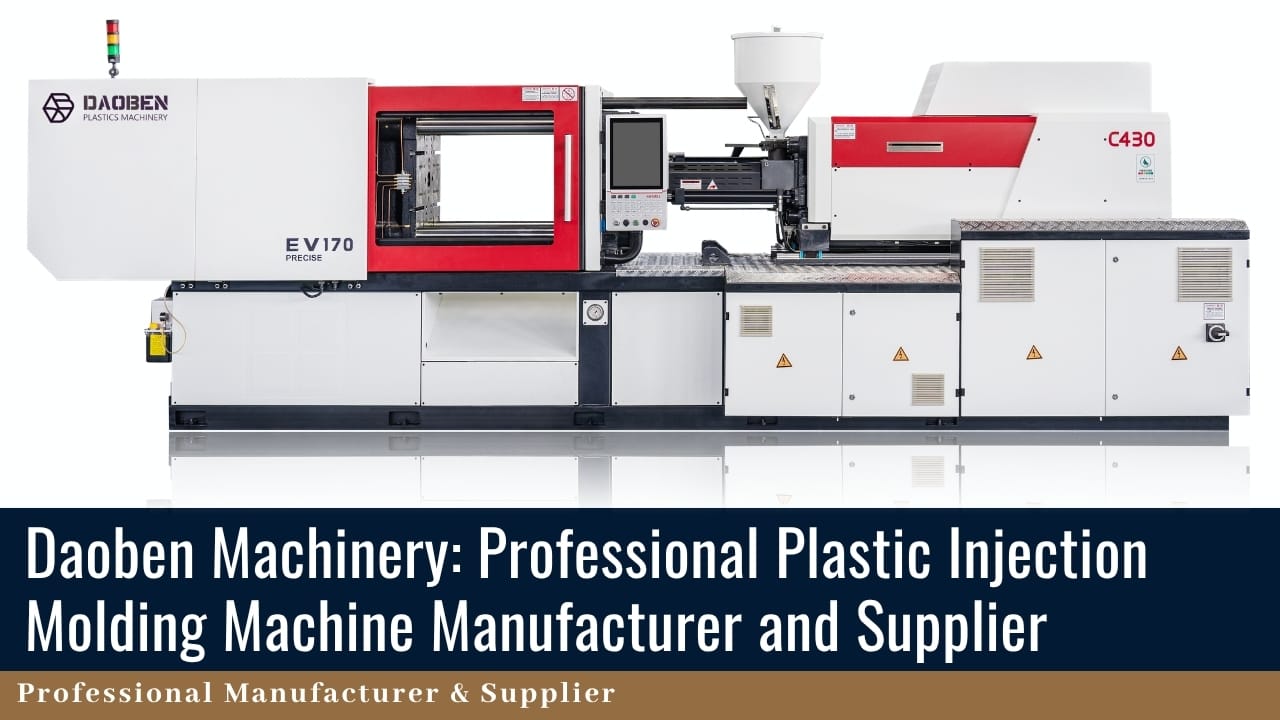
So the best injection molding machine for beginners is rarely the fastest or the biggest. Instead, it is a stable, mid-size servo machine with a clear touchscreen, good safety guards, and a supplier who helps with the first mold trial.
This guide explains what beginners should look for, which sizes and types fit small workshops, and how to budget for the full setup. It also lists common first-purchase mistakes and simple safety rules for new teams in the USA, UK, Gulf states, and beyond.
Quick Answer: The best injection molding machine for beginners and small workshops is a 60–160 ton servo-hydraulic toggle machine with a simple touchscreen controller, full safety guarding, and standard mold mounting. It handles common resins like PP, PE, and ABS, costs far less than all-electric models, and is easy to service. Desktop units only suit training.
Table of Contents
ToggleWhat Should Beginners Look for in an Injection Molding Machine?
Beginners should look for an injection molding machine with a simple controller, stored mold recipes, clear alarms, full safety guarding, and easy access for cleaning and maintenance. It should also use standard parts and come with training. These features cut setup errors and help new operators gain skill fast.
An easy controller
A good touchscreen shows injection, holding, and cooling as clear steps. It also stores settings for each mold, so operators reload them in seconds. Moreover, clear alarm text helps beginners find problems without calling the supplier every time.
Forgiving process window
Servo-hydraulic machines respond smoothly and hold steady pressure. As a result, they forgive small setting errors better than very fast, high-precision presses tuned for experts.
Training and documents
Ask for operator manuals in your language, video guides, and on-site or remote training. Our guide on how to choose a plastic injection molding machine lists the questions to ask every supplier.
Which Injection Molding Machine Size Is Best for a Small Workshop?
Most small workshops do best with a 60–160 ton machine. This range covers lids, clips, toys, small housings, and household items. It also fits through standard doors, runs on common three-phase power, and needs only a modest chiller. Going smaller limits jobs, while going larger wastes power and space.
| Option | Tonnage | Floor space (approx.) | Good for beginners? | Typical use |
|---|---|---|---|---|
| Desktop / benchtop | Under 10 t | 1 m² | Training only | Schools, lab samples |
| Small servo toggle | 60–90 t | 4–5 m² | Yes, very good | Caps, clips, small parts |
| Mid servo toggle | 120–160 t | 6–7 m² | Yes, best balance | Housings, lids, toys |
| Larger servo toggle | 200–300 t | 8–12 m² | Only with experience | Buckets, crates, big parts |
| All-electric | 50–180 t | 5–8 m² | Yes, but costly | Precision and medical parts |
Floor space covers the machine only. Add room for the dryer, chiller, and mold changes.
Why 120 tons is a popular start
A 120-ton machine runs most small consumer parts. It also accepts molds that many toolmakers build as standard. Therefore, a new workshop can take a wide range of jobs. Check details in our injection mold machine specs guide.
Power and building checks
Confirm three-phase supply, floor strength, and ceiling height before ordering. In addition, plan cooling water. A small chiller usually works better than tap water, because tap water wastes money and scales the mold.
How Much Should Beginners Budget for a First Injection Molding Setup?
Beginners should budget about USD 30,000–80,000 for a complete small setup. This covers a 60–160 ton servo machine, a chiller, a hopper dryer, a mold temperature controller, and installation. The mold is extra and often costs USD 3,000–30,000, depending on size and cavities.
Where the money goes
The machine usually takes 55–70% of the budget. Auxiliaries take another 15–25%. Freight, duty, and installation take the rest. So always ask for a full landed-cost quote, not just the machine price.
Hidden costs to plan for
Plan for spare heater bands, nozzle tips, and hydraulic filters. Also budget for training time and trial resin. These small items prevent costly downtime in the first year.
Avoid the cheapest option
The lowest price often means weak platens, poor controls, or no local support. As a result, the machine costs more to fix. Read our list of mistakes to avoid when buying an injection molding machine before you compare quotes.
How Can a Small Workshop Run an Injection Molding Machine Safely?
A small workshop runs an injection molding machine safely by keeping all guards and interlocks working, training every operator, and following lockout steps during maintenance. Hot barrels, high clamp force, and hydraulic pressure create real risks. Clear rules and daily checks prevent most injuries.
Guards and interlocks
The front safety gate must stop all motion when opened. Never bypass it, even for a quick fix. In the USA, OSHA’s machine guarding rules set the baseline. In the UK, HSE’s PUWER guidance covers safe work equipment.
Heat and burns
Barrels and nozzles run at 180–300 °C. Therefore, operators should wear heat-resistant gloves and face shields when purging. Also keep purge material away from walkways.
Lockout for maintenance
Before any repair, switch off power, lock the isolator, and release hydraulic pressure. Then test that nothing moves. This simple habit protects new teams the most.
Why Daoben Suits First-Time Buyers
Daoben suits first-time buyers because its machines start at small tonnage, use servo drives as standard, and come with direct factory support. The Universal series is built to be economical, user-friendly, and stable. In addition, Daoben offers OEM labels and full auxiliary packages for new workshops.
One supplier for the whole cell
Beginners benefit from buying the machine, dryer, chiller, and loader together. As a result, connections match and one team answers every question.
Help after delivery
Daoben supports buyers in more than 35 countries. Common questions on shipping, power, and setup are answered on the Daoben FAQ page.
Start Your Molding Business With Confidence
Your first machine sets the pace for your whole business. A stable, mid-size servo press lets you learn fast, win steady jobs, and grow without replacing equipment in year two.
Keep the plan simple: pick a 60–160 ton servo machine, add matched auxiliaries, train your team, and follow strict safety habits. Then build skill one mold at a time.
When you are ready, explore Daoben injection molding machines and ask for a beginner-friendly package quote. Share your first part, and the team can suggest the right size.
FAQ
What is the easiest injection molding machine for beginners to use?
The easiest injection molding machine for beginners is a 60–160 ton servo-hydraulic toggle machine with a touchscreen, stored mold recipes, and clear alarms. It runs common resins with a wide, forgiving process window. Training from the supplier and simple daily checklists make learning much faster.
Can I start an injection molding business with one machine?
Yes. Many molding businesses start with one injection molding machine for beginners, one or two molds, and a single steady customer. Choose a mid-size machine that accepts standard molds, so you can take new jobs as you grow. Add a second press once the first runs near full capacity.
Is a desktop injection molding machine good for a small business?
A desktop machine suits training, school labs, and very small sample runs. However, it cannot deliver the pressure, speed, or repeatability that paying customers expect. For real production, an industrial injection molding machine for beginners of 60 tons or more is the better choice.
How long does it take to learn injection molding?
Most operators learn basic machine running in two to four weeks. Process setup and troubleshooting take several months of hands-on work. A simple controller on an injection molding machine for beginners shortens this curve, and supplier training helps new teams avoid common defects early.
What resin should beginners start with?
Beginners should start with PP or HDPE. These resins flow easily, need no drying, and forgive small setting errors. ABS is a good next step. Leave PC, PA, and PET for later, because they need drying and tighter control on any injection molding machine for beginners.