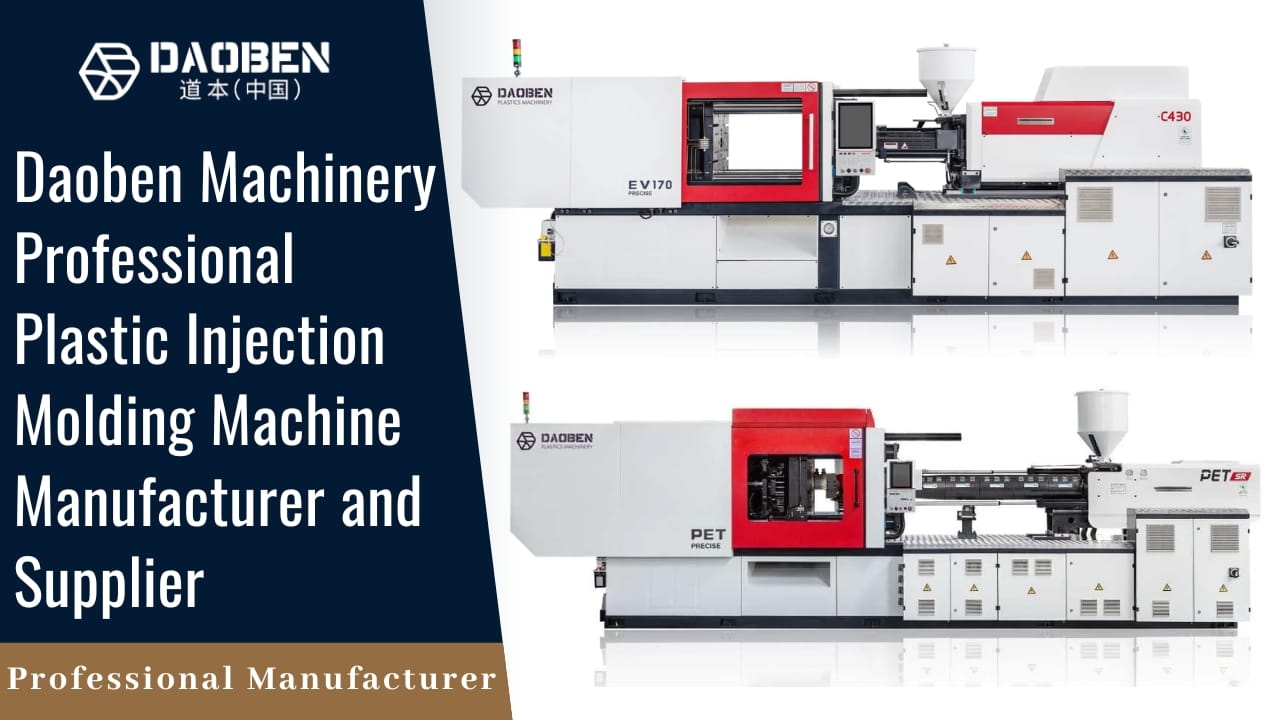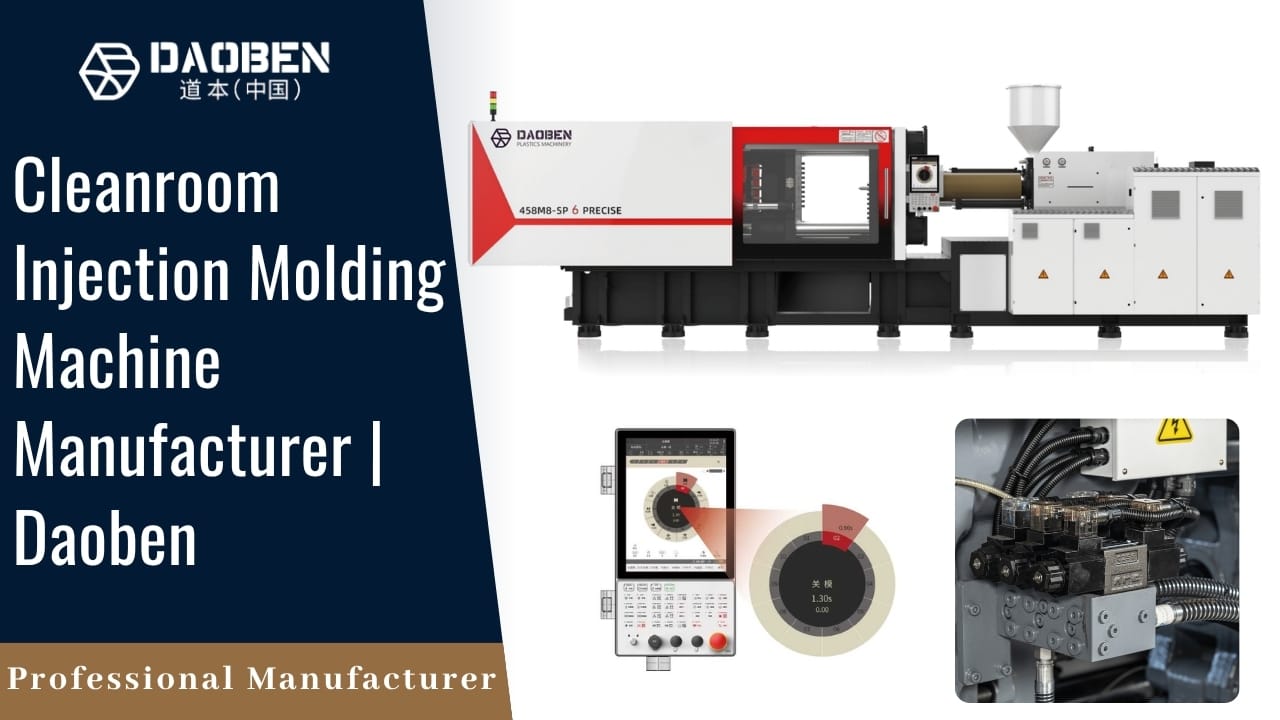
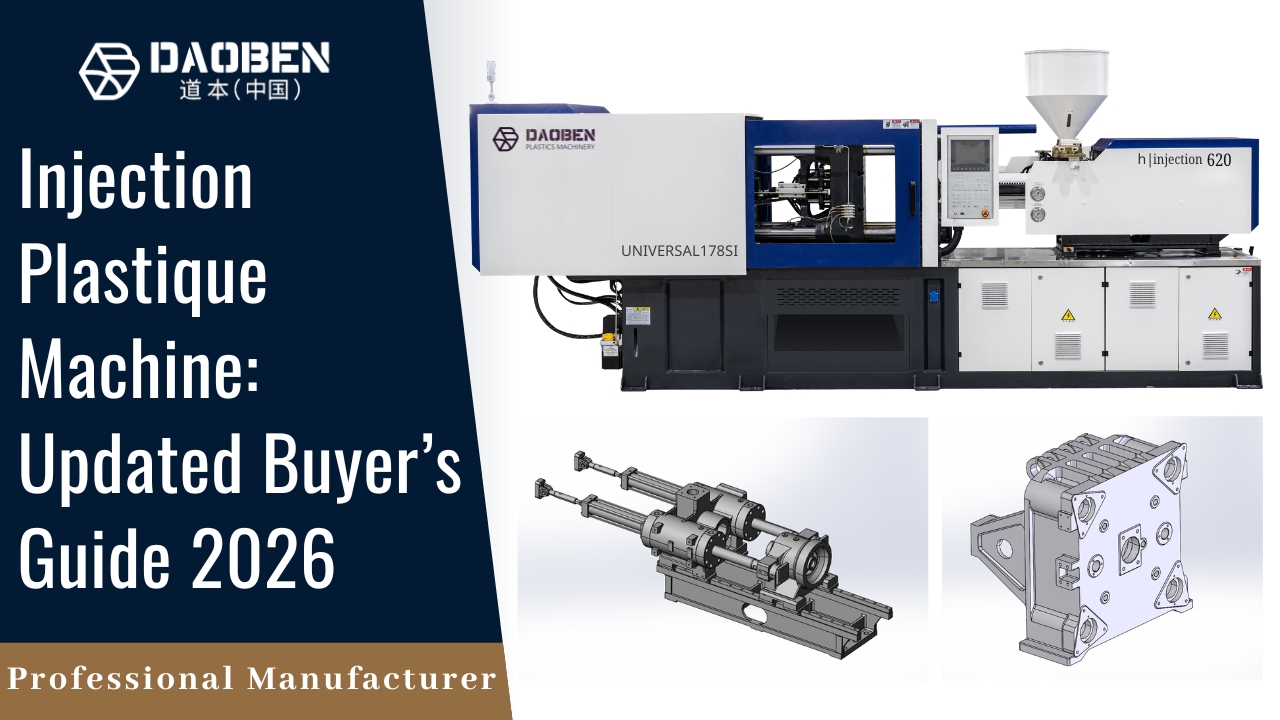
If you are sourcing an injection plastique machine for your factory, warehouse, or production line, this guide walks you through every detail that matters. From tonnage selection to cost breakdowns, you will find practical information that helps you make a confident purchase decision. Daoben Machinery manufactures plastic injection molding machines from 30 Ton to 4000 Ton, serving buyers across Europe, Africa, the Middle East, and Southeast Asia.
Whether you produce household goods, automotive parts, packaging containers, or furniture, the right injection plastique machine will shape your output quality, cycle time, and bottom line. Let’s break it all down.
What Is an Injection Plastique Machine?
An injection plastique machine — also known as a plastic injection molding machine — melts raw plastic pellets and forces them into a steel mold under high pressure. Once the plastic cools and hardens inside the mold, the machine opens and ejects the finished part. This process repeats hundreds or thousands of times per hour, depending on part size and cycle speed.
The term “injection plastique” comes from French-speaking markets where buyers search for industrial plastic forming equipment. The machine itself works the same way regardless of language. It consists of two main units: the injection unit (which melts and pushes the plastic) and the clamping unit (which holds the mold shut during injection).
For a detailed look at each component, read our guide on parts of a plastic molding machine.
How Does an Injection Plastique Machine Work?
The injection molding process follows four straightforward steps. Each one affects part quality, so understanding the sequence helps you evaluate machines with greater clarity.
Step 1: Clamping
The clamping unit closes the mold halves together. It applies enough force to keep the mold sealed during injection. Machines with higher tonnage deliver greater clamping force, which is necessary for larger molds and thicker parts.
Step 2: Injection
Plastic pellets enter a heated barrel through a hopper. A rotating screw melts the pellets and pushes the molten plastic forward. The screw then acts as a plunger, injecting the material into the mold cavity at high pressure.
Step 3: Cooling
Once inside the mold, the plastic begins to cool and solidify. Cooling channels inside the mold speed up this process. The cooling phase often takes the longest portion of the cycle, so efficient mold design matters.
Step 4: Ejection
After the plastic hardens, the mold opens. Ejector pins push the finished part out of the cavity. The mold closes again, and the cycle starts over.
Types of Injection Plastique Machines
Not every injection plastique machine works the same way. The drive system determines speed, precision, energy use, and maintenance needs. Here’s a comparison of the three main types.
| Feature | Hydraulic | Electric (Servo) | Hybrid |
| Energy Use | Higher | 30–70% lower | Moderate savings |
| Precision | Good | Excellent | Very Good |
| Speed | Standard | Fast cycle times | Fast |
| Upfront Cost | Lower | Higher | Mid-range |
| Maintenance | More frequent (oil, seals) | Less frequent | Moderate |
| Best For | Large parts, high tonnage | Precision parts, clean rooms | Balanced production needs |
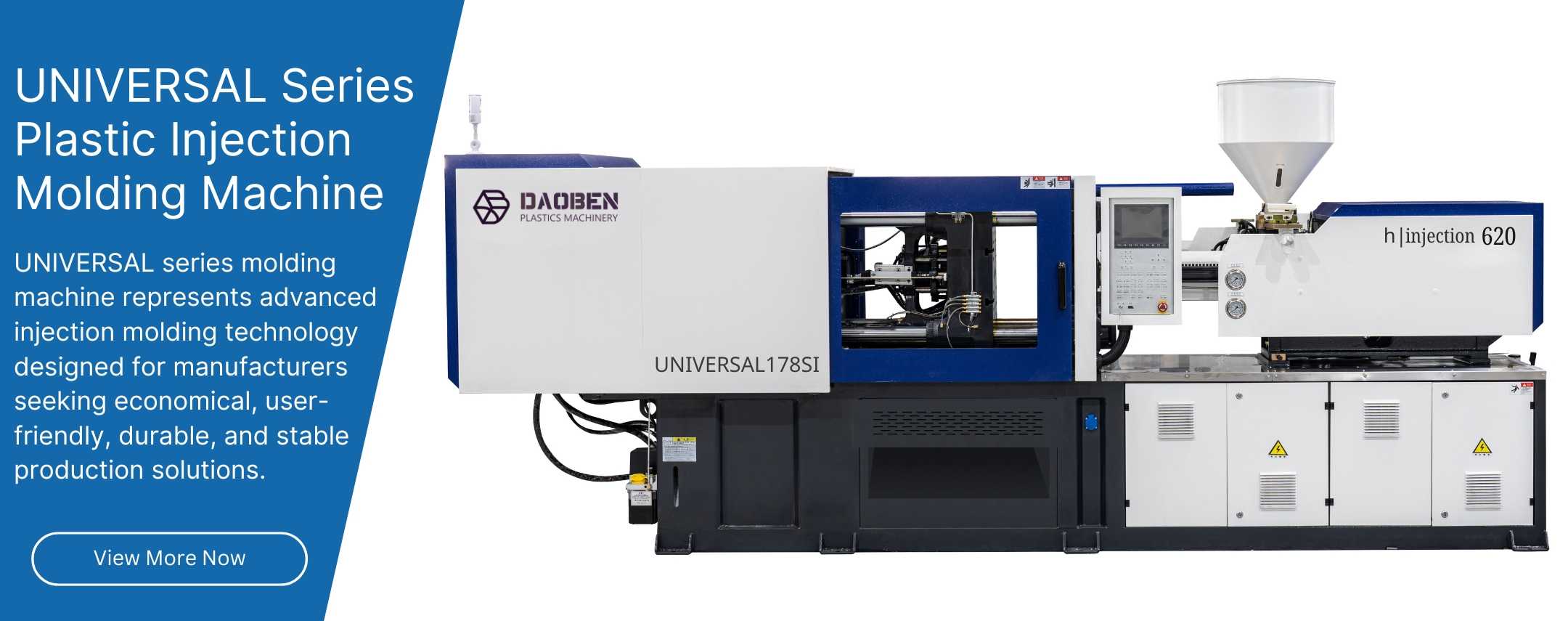
Daoben Machinery offers servo-hydraulic models across its full tonnage range. Servo-driven pumps reduce power consumption while keeping the cost advantages of hydraulic systems. This gives buyers a practical middle ground between pure hydraulic and full-electric machines.
How to Choose the Right Tonnage for Your Injection Plastique Machine
Tonnage refers to the clamping force the machine applies to keep the mold closed. Choosing the wrong tonnage leads to defective parts, wasted material, or unnecessary spending on oversized equipment.
A simple formula helps you estimate the minimum clamping force you need:
Clamping Force (tons) = Projected Area (cm²) × Cavity Pressure (tons/cm²)
Projected area is the flat surface of the part as seen from the mold’s opening direction. Cavity pressure depends on the material — for example, polypropylene (PP) typically needs 0.3 to 0.5 tons/cm², while polycarbonate (PC) may require 0.5 to 0.8 tons/cm².
Tonnage Selection Guide by Product Type
| Product Category | Recommended Tonnage | Common Materials |
| Bottle caps, small fittings | 30–100 Ton | PP, PE, PS |
| Food containers, thin-wall packaging | 100–300 Ton | PP, PET |
| Plastic chairs, crates, buckets | 400–800 Ton | PP, HDPE |
| Automotive bumpers, pallets | 800–1500 Ton | PP, ABS, PA |
| Large bins, tanks, industrial parts | 1500–4000 Ton | PP, HDPE, PA |
If you are producing plastic chairs or crates, our plastic chair making machine page covers the exact specifications and mold options available.
Key Specifications to Compare Before You Buy
Tonnage is only one piece of the puzzle. When evaluating an injection plastique machine, pay attention to these additional specifications:
Shot Weight: The maximum amount of plastic the machine can inject in a single cycle. A larger shot weight allows you to produce bigger parts or fill multi-cavity molds.
Screw Diameter: This affects plasticizing capacity and injection pressure. Larger screws melt more material per rotation. Smaller screws generate higher injection pressure for thin-walled or precision parts.
Tie Bar Spacing: The gap between the tie bars limits the maximum mold size. Always check that your mold fits within the machine’s tie bar dimensions.
Platen Size: The mounting surface for molds. Larger platens accommodate larger molds. Make sure your mold bolt pattern aligns with the platen layout.
Dry Cycle Time: The time the machine takes to complete one open-close-open cycle without injecting material. Lower dry cycle times mean faster potential output.
Energy System: Servo motor pumps save 30–70% on electricity compared to fixed-displacement pumps. Over years of production, this adds up to significant cost reductions.
How Much Does an Injection Plastique Machine Cost?
Pricing depends on tonnage, features, brand, and whether you’re buying from a factory or a trading company. Here’s a general pricing range for new machines shipped from China:
| Tonnage Range | Price Range (FOB China) | Typical Applications |
| 30–100 Ton | $5,000 – $15,000 | Small consumer goods, caps |
| 100–300 Ton | $15,000 – $40,000 | Containers, housewares |
| 400–800 Ton | $40,000 – $90,000 | Chairs, crates, large items |
| 800–1500 Ton | $90,000 – $200,000 | Automotive, industrial |
| 1500–4000 Ton | $200,000+ | Heavy industrial, large molds |
Want a detailed breakdown? Read our full plastic injection molding machine price guide for 2026.
Buying factory-direct from a manufacturer like Daoben removes middleman markups. You also get direct access to engineers for mold fitting, machine customization, and after-sales technical support.
Common Applications for Injection Plastique Machines
The injection molding process works with dozens of thermoplastic and some thermoset materials. Here are the industries and products where these machines see the heaviest use:
Packaging: Bottle caps, closures, thin-wall food containers, lids, and cosmetic jars.
Furniture: Plastic chairs, tables, stools, and outdoor seating. Machines in the 400–800 Ton range handle most furniture molds.
Automotive: Dashboard panels, bumper components, air vent covers, door trims, and under-hood parts.
Household Goods: Storage bins, laundry baskets, hangers, kitchen utensils, and garden tools.
Industrial: Pallets, crates, pipe fittings, electrical enclosures, and construction accessories.
Medical: Syringe bodies, petri dishes, test tube caps, and disposable instrument housings (clean-room setups required).
For plastic crate production specifically, our plastik kasa makinası page provides detailed machine and mold specifications.
Why Buy Your Injection Plastique Machine Direct from a Manufacturer?
Purchasing directly from a factory offers several measurable advantages over buying through a trading company or reseller:
Lower Prices: No middleman markup. Factory-direct pricing from Daoben typically saves buyers 10–25% compared to trading company quotes for the same machine specifications.
Custom Configuration: Need a specific screw design, barrel size, or control panel layout? A manufacturer can adjust the build before shipping. Trading companies sell what’s in stock.
Technical Support: When something goes wrong on the production floor, you want the people who built the machine on the other end of the call. Daoben provides remote diagnostics, spare parts, and on-site installation support.
Quality Verification: Factory visits, video inspections, and third-party testing give you visibility into the machine’s build quality before it leaves the production line.
Faster Lead Times: Factories control their own production schedules. Traders depend on factory availability and add buffer time.
Maintenance Tips for Your Injection Plastique Machine
A well-maintained machine runs longer, produces fewer rejects, and costs less to operate. These routine practices keep your equipment in strong working condition:
Check Hydraulic Oil: Inspect oil levels daily. Replace hydraulic oil every 3,000–5,000 operating hours or when it darkens or thickens. Contaminated oil damages pumps and valves.
Lubricate Moving Parts: Toggle joints, guide rails, and ejector mechanisms need regular greasing. Follow the manufacturer’s lubrication schedule.
Inspect the Barrel and Screw: Wear on the screw flights or barrel lining reduces plasticizing efficiency. Measure clearance periodically and replace worn components before they affect part quality.
Clean the Hopper and Feed Throat: Contaminants in the hopper cause black specks, color streaks, and material degradation. Clean between material changes.
Monitor Electrical Connections: Loose wiring causes intermittent faults and safety hazards. Schedule quarterly inspections of all electrical panels and terminations.
Calibrate Sensors: Temperature, pressure, and position sensors drift over time. Annual calibration keeps process control tight and reduces scrap rates.
Frequently Asked Questions About Injection Plastique Machines
What does “injection plastique” mean?
It is the French term for plastic injection. An injection plastique machine is a plastic injection molding machine. The function, parts, and process are identical regardless of what language you use to describe it.
How many tons do I need for my product?
Calculate the projected area of your part, then multiply by the cavity pressure required for your material. For most common plastics like PP or PE, 0.3–0.5 tons per square centimeter is a safe starting range. Always add a 10–15% safety margin.
Can I use one machine for different products?
Yes. As long as the mold fits within the machine’s tie bar spacing and platen size, and the part’s shot weight falls within the machine’s capacity, you can swap molds and produce different products on the same machine.
How long does an injection plastique machine last?
With proper maintenance, a quality machine lasts 15–25 years. Key factors include hydraulic system care, screw and barrel condition, and electrical component upkeep. Daoben builds machines with hardened components designed for extended service life.
Does Daoben ship injection plastique machines worldwide?
Yes. Daoben Machinery exports to over 60 countries. All machines are packed in standard shipping containers with anti-rust treatment and protective wrapping. The company provides installation guidance, operator training materials, and ongoing technical support after delivery.
Get a Factory-Direct Quote on Your Injection Plastique Machine
Daoben Machinery builds injection molding machines from 30 Ton to 4000 Ton at our own production facility. Every machine ships with a servo energy-saving system, PLC control, and full technical documentation.
Request a quote today at daobenmachinery.com — our engineering team will help you match the right tonnage, configuration, and mold setup to your production goals.