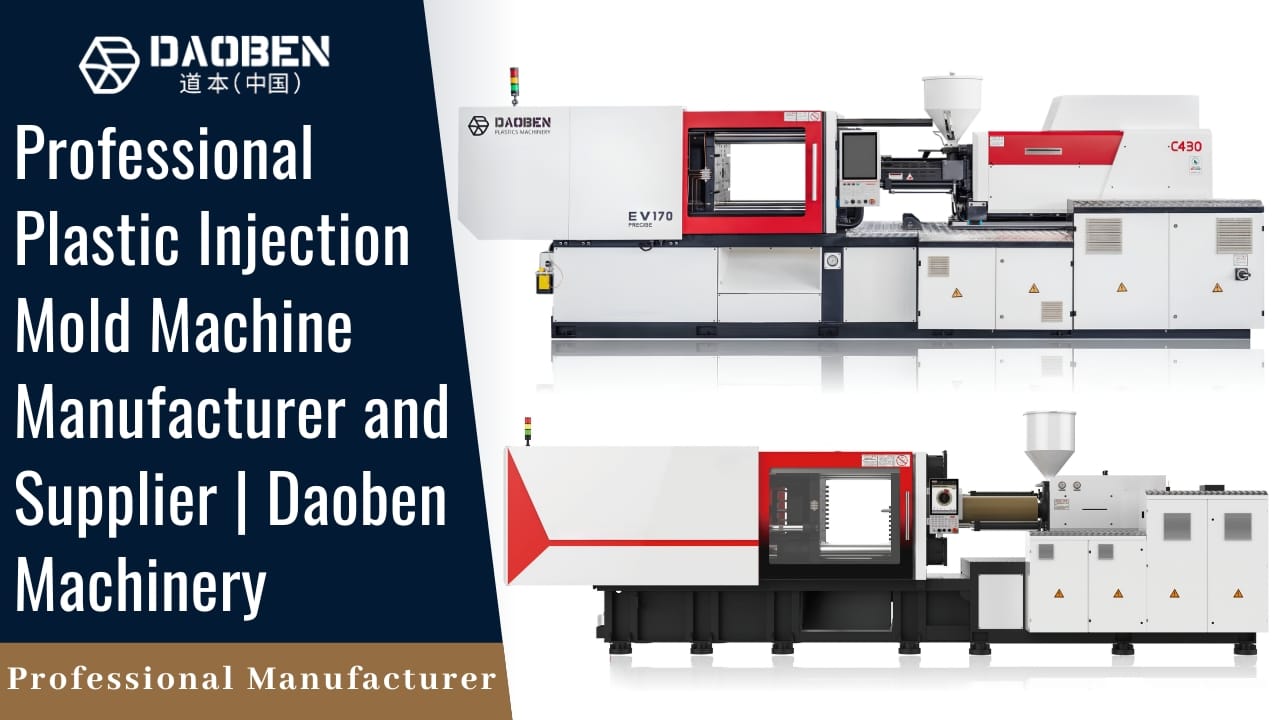
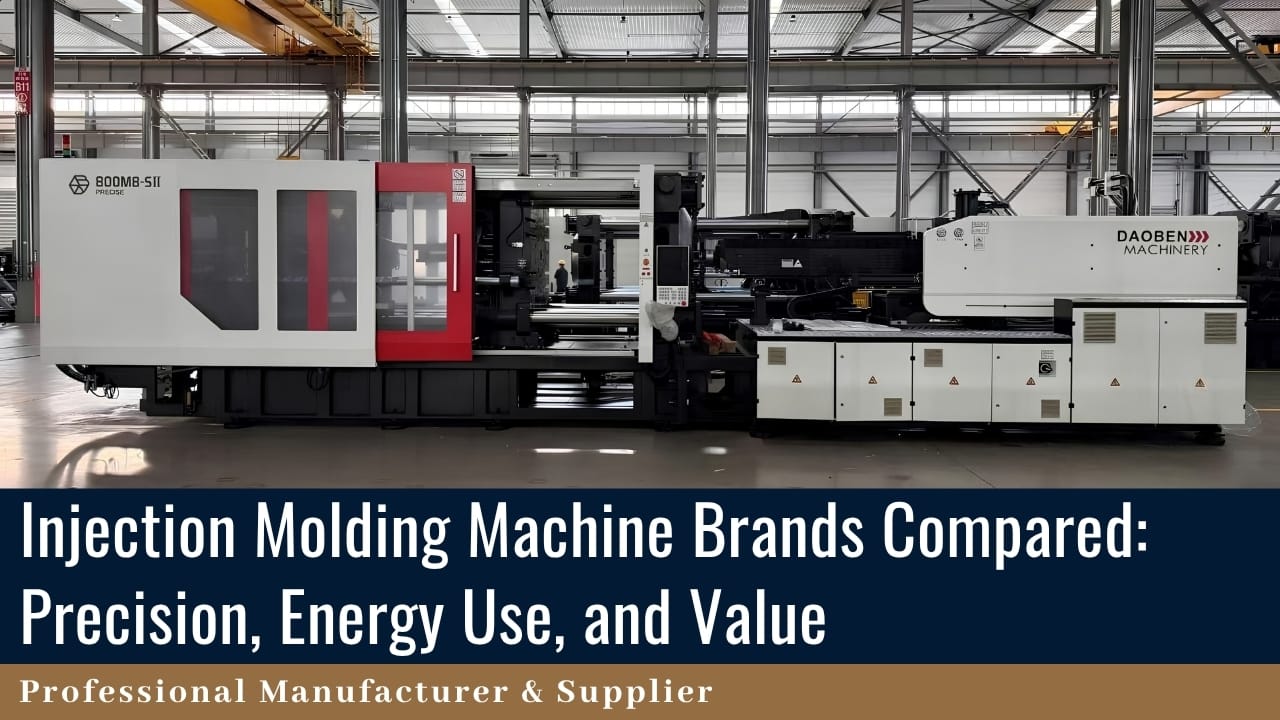
Electronics injection molding produces connectors, sockets, switches, relay housings, coil bobbins, charger cases, phone and laptop housings, TV back covers, LED lenses, and light guides. Part weight ranges from under 1 gram for a micro-connector to several kilograms for a large TV housing. Therefore, machine size ranges from about 30 tons to over 1,000 tons.
Quick Answer: Injection molding solutions for the electronics industry combine a precise machine, an engineering resin, and a multi-cavity mold to make connectors, housings, switches, and lenses. Most parts use flame-retardant PC, PC/ABS, PBT, PA66, or LCP. Small precision parts suit all-electric or hybrid machines, while large housings suit servo-hydraulic or two-platen machines.
Material Selection Tailored for Electronic Functional Requirements
Electronic devices operate in complex environments, so resin selection is never a simple choice of hardness or appearance. Molded plastic parts must satisfy electrical safety, thermal stability and regulatory compliance at the same time.
Flame-retardant and insulation-grade thermoplastics
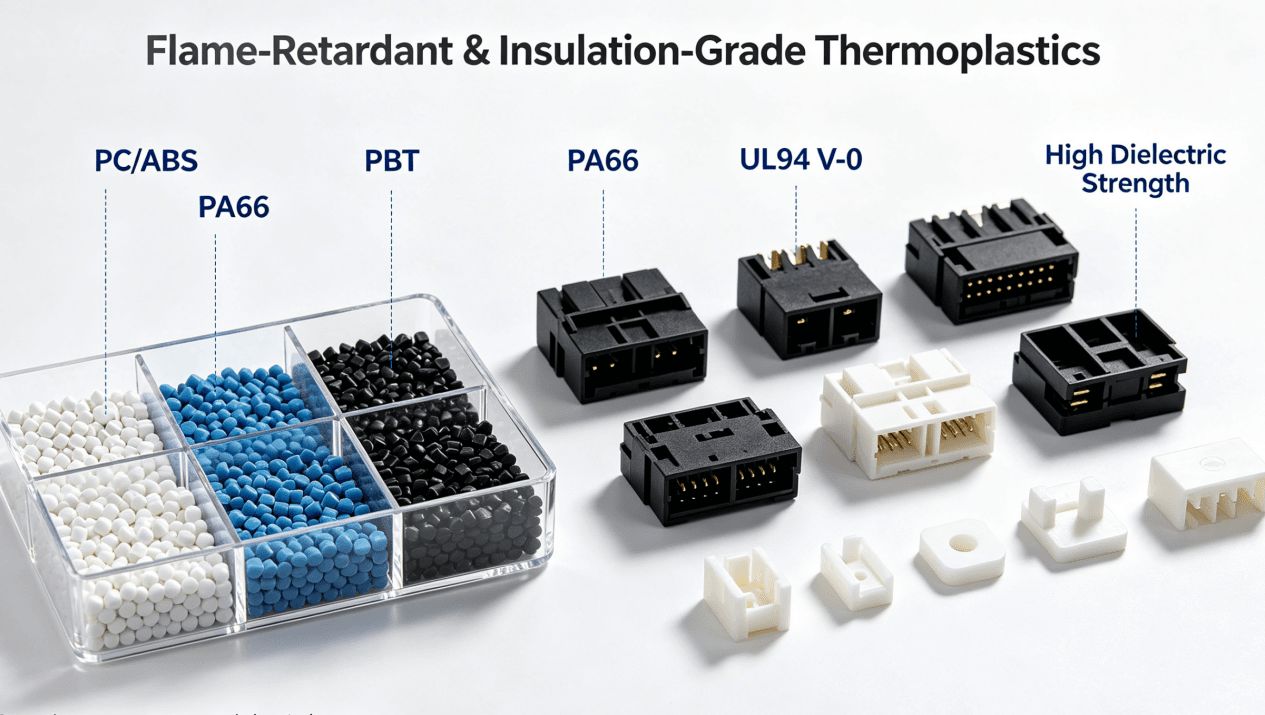
Most electronic enclosures, connectors and PCB supports require reliable electrical insulation and fire resistance. PC/ABS blends balance impact strength and processing performance for consumer electronics housings. PBT and PA66 are widely used in connector bodies, with stable dielectric properties under high voltage. For high-density power components, materials certified to UL94 V-0 prevent flame spread and avoid short-circuit risks.
EMI shielding and high-frequency engineered polymers
5G modules, sensors and RF housings demand effective electromagnetic interference control. Conductive-filled plastics replace partial metal shielding, reducing component weight and assembly steps. LCP (Liquid Crystal Polymer) shows low signal loss at high frequencies, making it ideal for micro connectors and antenna brackets. Carbon fiber reinforced PPS maintains dimensional stability under continuous heat and vibration.
RoHS and halogen-free compliant materials
Global electronics markets enforce strict environmental regulations. RoHS bans heavy metals such as lead and cadmium, while halogen-free grades eliminate toxic brominated flame retardants. Manufacturers must validate material certificates before mass production, especially for exported consumer electronics. Recycled, low-carbon thermoplastics are increasingly adopted to meet brand sustainability targets without sacrificing mechanical performance.
| Electronic part | Typical clamping force | Machine type | Main reason | Daoben series |
|---|---|---|---|---|
| Micro and fine-pitch connectors | 30–130 tons | All-electric or hybrid | Fast, repeatable injection on tiny shots | EV Hybrid, 90–268 tons, up to 440 mm/s and 300 MPa |
| Thin-wall housings and battery cases | 90–300 tons | Hybrid | Fills thin walls before the melt freezes | EV Hybrid |
| Switches, sockets, and chargers | 90–250 tons | Servo-hydraulic | Stable hold pressure on multi-cavity molds | M8SII or M7 |
| Router and set-top-box housings | 250–650 tons | Servo-hydraulic | Larger platen at a moderate price | M8SII |
| TV back covers and large panels | 1,000 tons and above | Two-platen | Wide platen and long opening stroke | DU series with KEBA controller |
Advanced Molding Technologies for Miniaturized Electronic Components
Electronics continue to shrink in size while integrating more functions. Conventional general molding cannot meet thin-wall, micro-part and multi-material assembly demands. Specialized injection molding processes deliver high precision and integrated structures.
Thin-wall and micro injection molding
Smartphone frames, battery separators and micro connectors feature wall thickness below 0.8 mm. Servo injection machines provide fast, stable injection speed to fill thin cavities before melt cools. Multi-cavity hot-runner molds reduce material waste and ensure consistent filling across dozens of cavities. Tight tolerances down to ±0.01 mm guarantee precise mating between plastic parts and metal terminals.
Insert molding and overmolding
Insert molding embeds metal pins, copper contacts and screw sleeves into plastic in one shot, eliminating secondary assembly and improving connection reliability. Overmolding combines hard substrate with soft TPE, creating integrated waterproof gaskets, anti-slip grips and sealed button structures. This technique is popular for chargers, wearables and handheld IoT devices.
Moldflow simulation and DFM for electronics
Design for Manufacturability (DFM) starts at the CAD stage. Moldflow simulation predicts melt flow, air traps, shrinkage and warpage before mold cutting. Engineers adjust wall thickness, gate location and venting channels to avoid sink marks, weld lines and burn marks on cosmetic surfaces. Simulation shortens mold trial cycles and lowers costly design revisions.
Quality Control and Production Optimization for Mass Electronics Manufacturing
High-volume electronics production requires stable repeatability, cosmetic consistency and traceable quality management. Defects in molded components can trigger product recalls and damage brand reputation.
Real-time process monitoring on injection molding machines
Modern servo injection machines record injection speed, packing pressure, melt temperature and clamping force for every shot. Closed-loop control automatically compensates for minor parameter drift caused by material batch variation or mold temperature change. Any out-of-spec part is ejected and separated automatically to prevent non-conforming products from entering assembly lines.
Mold maintenance and precision tooling management
Electronic molds use high-polish, hardened mold steel for excellent surface finish and long service life. Regular cleaning of vents and cooling channels prevents gas burns and uneven cooling. Modular mold design allows fast replacement of core inserts when product versions are updated, cutting tooling investment for iterative electronic projects.
Post-molding inspection and environmental validation
After ejection, parts go through automated vision inspection to check flash, dimensional accuracy and surface defects. Critical samples undergo environmental tests including thermal cycling, humidity aging and drop impact. Connector components pass thousands of insertion tests to verify long-term stability. Complete inspection reports and material certificates are prepared for customer audits and export certification such as CE.
| Process | How it works | Typical electronics use |
|---|---|---|
| Insert molding | Plastic is molded around metal pins or terminals | Connectors, plugs, sensor housings |
| Overmolding | A soft layer is molded over a rigid part | Cable strain reliefs, grips, seals |
| Two-shot molding | Two resins are injected in one cycle | Keypads, light pipes inside housings |
| Thin-wall molding | High speed fills walls under 1 mm | Battery cases, phone parts |
| Micro molding | Shots under 1 gram with tight control | Micro-connectors, hearing-aid parts |
Why It Matters?
Injection molding remains the core manufacturing solution for modern electronics. The combination of specialized electronic-grade materials, precision molding technologies and systematic quality control enables manufacturers to produce miniaturized, reliable and cost-efficient plastic components. As wearable devices, 5G hardware and IoT sensors grow rapidly, injection molding machine suppliers and mold makers will keep upgrading thin-wall, multi-material and intelligent process solutions to support the electronics industry’s innovation.