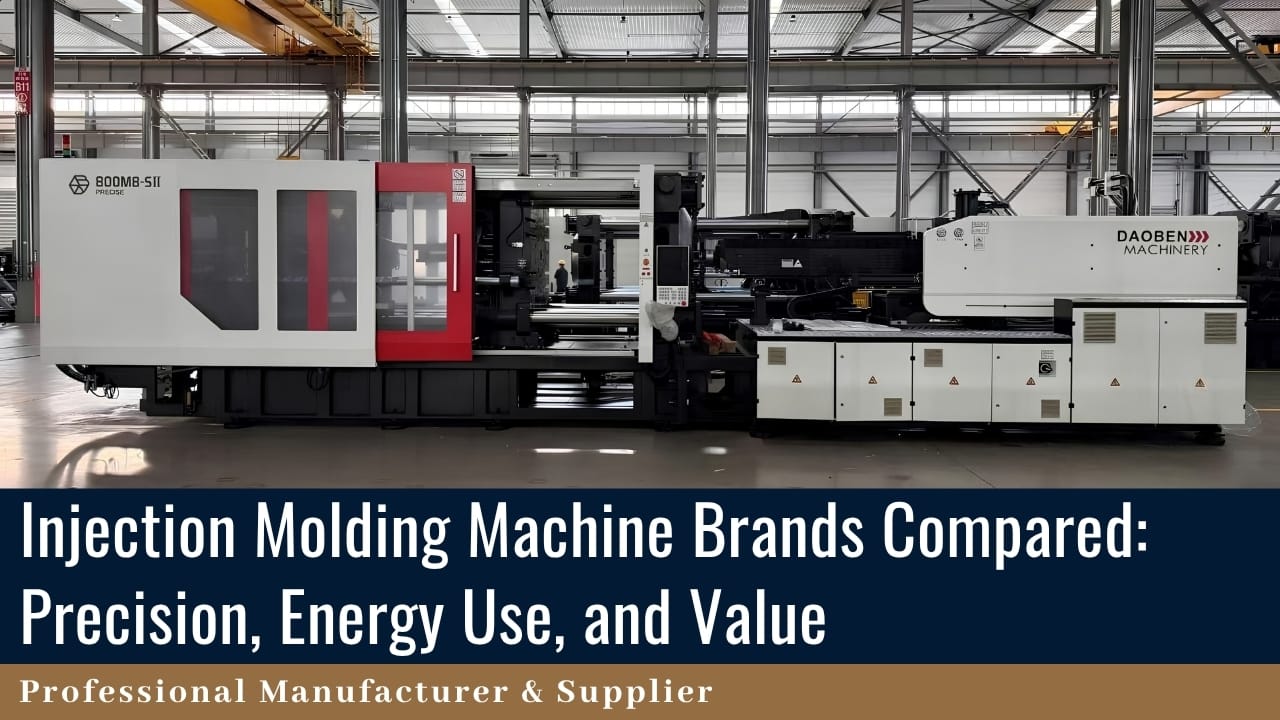
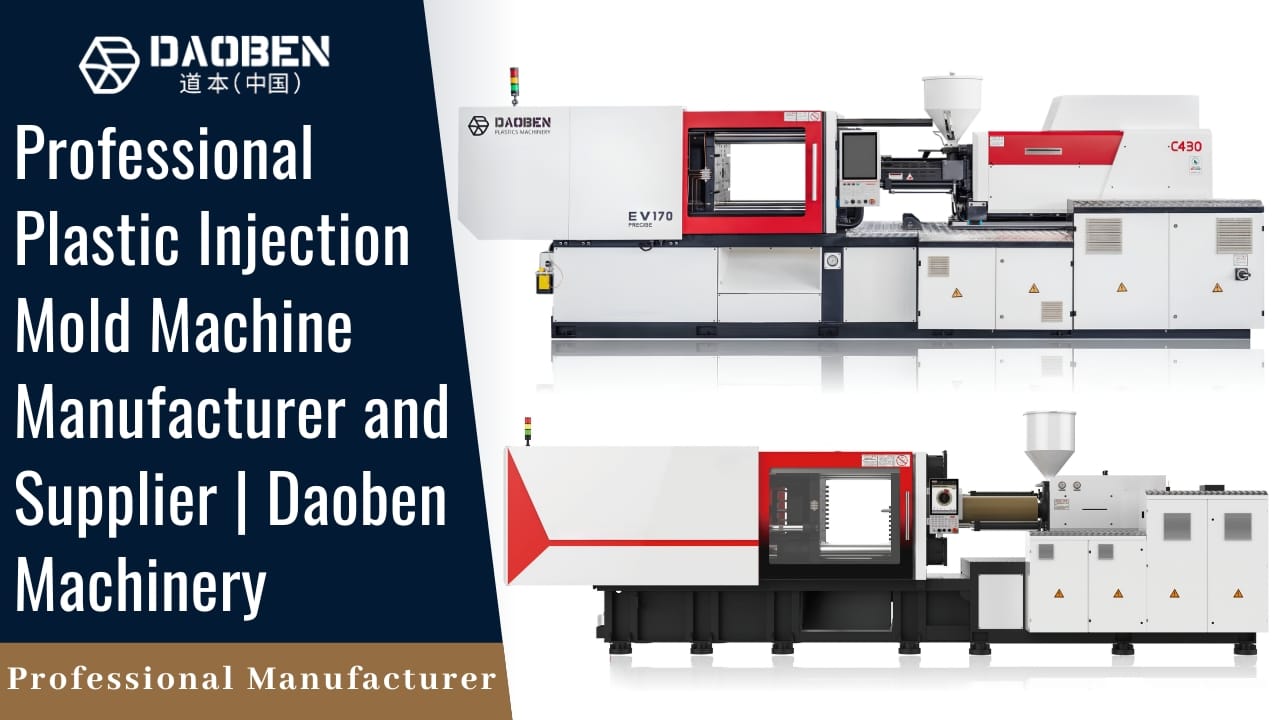
For a long time, the market has held the one-sided view that “3D printing will replace injection molding.” However, from the perspective of injection molding machine mass production, mold development, and the entire product lifecycle, the two are not competitors, but rather a complementary and synergistic manufacturing combination. Injection molding relies on injection molding machines to achieve mass production of standardized parts at low cost, serving as the cornerstone of large-scale manufacturing. 3D printing, with its characteristics of no molds required, high design freedom, and short delivery cycles, fills the gaps in injection molding processes in areas such as R&D pilot production, complex mold structures, flexible small-batch production, and equipment maintenance. Deep integration of the two constructs a complete manufacturing chain of “R&D verification — mold optimization — flexible transition — mass production — after-sales spare parts,” driving the digital upgrade of plastic injection molding machine factories.
Product R&D Stage: 3D Printing Pre-Verification Reduces Injection Molding Mold Opening Risks
The biggest hidden cost in injection molding projects comes from mold modification. Traditional processes directly invest in steel for mold opening; if structural defects, assembly interference, or unreasonable wall thickness design occur, mold modification costs are high and the cycle is lengthy. 3D printing provides an effective buffer at the R&D stage. Rapidly create functional prototypes to verify product designs. Utilize SLA and SLS processes to print samples with properties closely resembling the final injection-molded material, allowing for advance testing of assembly relationships, snap-fit strength, and flow simulation structures. Engineers can iterate and modify the 3D model multiple times, completing multi-version comparison tests within days, avoiding mold rework after finalization. For plastic housings and mechanical protective accessories.
Assisting in the Implementation of Mold Flow Analysis and Intuitively Predicting Molding Defects. For structures with uneven wall thickness, deep ribs, and thin walls, 3D printed models can intuitively verify mold flow simulation conclusions, assisting mold designers in optimizing injection and venting layouts, reducing problems such as air entrapment and insufficient filling during injection molding production.
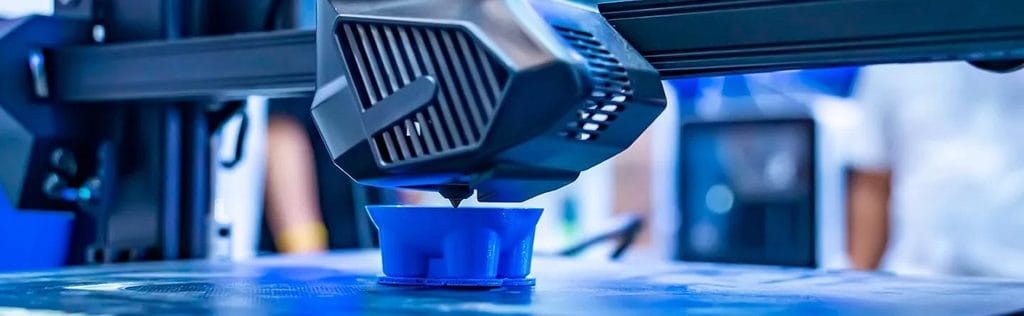
Mold Manufacturing Stage: 3D Printing Empowers Injection Molds, Improving Injection Molding Machine Production Efficiency
Molds determine the injection moulding machine’s cycle time and product yield, and are also the core scenario for the integration of the two processes. Traditional machining can only process straight-line drilled water channels, resulting in cooling blind spots. 3D printing breaks through geometric limitations, driving the upgrade of injection molds.
Metal 3D Printing Creates Conformal Cooling Inserts, Shortening Injection Molding Cycles
Metal SLM printing can create spiral and branched conformal cooling water channels that fit the product contour. The distance between the water channels and the cavity is uniform, eliminating mold hot spots. After application to thick-walled shells, deep-cavity parts, and irregularly shaped injection molded parts, cooling time is generally reduced by 25%–40%, directly increasing the injection molding equipment’s per-unit-time productivity. Uniform cooling improves the consistency of plastic shrinkage, reduces shrinkage marks and warpage, and significantly improves product yield. For precision parts and irregularly shaped housings produced by injection molding machines, conformal inserts have become a standard solution for high-end molds.
Integrated manufacturing of complex mold structures simplifies mold assembly
Traditional mold sliders, ejector pins, and venting structures require disassembly, machining, and assembly, resulting in gaps in the fit. 3D printing can integrally mold built-in venting structures, irregularly shaped ejector pins, and complex inserts, reducing assembly gaps, lowering the risk of leakage, and improving mold stability. For some small cavities where traditional processes cannot accommodate cooling channels, 3D-printed inserts can solve long-term heat dissipation problems.
Hybrid mold solutions balance cost and delivery time
A hybrid mold structure using a standard mold base combined with a 3D-printed mold core. The mold base is machined using traditional CNC machining, while the cavity inserts are manufactured using additive manufacturing, balancing overall mold strength and development speed, suitable for transitional production of new products. Simultaneously, for localized damage to old molds, metal 3D printing can be used to repair chipped corners and worn areas of the mold core, eliminating the need for complete mold rebuilding and reducing downtime losses.
Production Scheduling: Flexible Combination of Two Processes to Cover Diverse Order Needs
Plastic molding machines are suitable for large-volume standardized orders of tens of thousands of pieces; 3D printing excels at multi-variety, small-batch, and customized orders. Combining the two broadens the factory’s order scope and optimizes production line load.
Bridging Production, Facilitating the Transition from Samples to Mass Production:
In the early stages of new product launches, order volumes are relatively small, making direct steel mold production uneconomical. 3D printed molds can be used to complete hundreds to thousands of transitional production units on injection molding machines, simultaneously collecting market feedback. Once orders stabilize, long-term steel mass production molds can be deployed, avoiding mold idleness and investment losses.
Order Stratification and Rational Allocation of Production Resources:
Large-volume production of standard parts is handled by injection molding machines, leveraging cost advantages per unit. Modified parts, customized designs, and small-batch accessories are directly produced using 3D printing, eliminating the need for horizontal injection molding machine slots, preventing frequent mold changes and reducing machine start-up and shutdown losses, and minimizing mold disassembly and debugging time.
Addressing Fragmented Market Demand:
The demand for personalized plastic products continues to grow, while orders for single-style products are shrinking. The “mass injection molding of main products + 3D printing of customized derivative parts” model eliminates the need for developing separate molds for each variation, significantly improving the company’s market responsiveness.
Factory Operations and Maintenance: 3D Printing Ensures Stable Operation of Injection Molding Machines and Molds
Sudden equipment failures in injection molding plants can cause entire production lines to shut down. Spare parts procurement cycles are long, and inventory costs are high. 3D printing creates an on-demand spare parts manufacturing system.
1. Rapid Production of Non-Standard Spare Parts for Injection Molding Machines:
Non-standard parts such as guide pillar protective sleeves, barrel heat insulation covers, mechanical limit blocks, inlet accessories, and tooling fixtures often have long supplier lead times. Through 3D scanning and reverse modeling, 3D printing can quickly produce temporary replacement parts, shortening hydraulic injection molding machine downtime for emergency repairs. Companies no longer need to stockpile large quantities of obsolete spare parts, achieving zero inventory and on-demand manufacturing.
2. Self-Made Injection Molding Auxiliary Tooling and Fixtures:
Part-removing fixtures, product positioning fixtures, runner collection fixtures, and mold lifting auxiliary parts can all be directly 3D printed. Compared to machining, delivery is faster and costs are lower, and it’s convenient to quickly adjust the tooling structure according to new products, improving the automation adaptability of injection molding machine loading and unloading.
3. Rapid Replenishment of Wear-Related Mold Parts:
Wear-related mold parts such as small ejector pins, venting inserts, and slide wear-resistant blocks have long traditional machining cycles. 3D printing can quickly manufacture spare inserts, allowing for immediate replacement when molds wear out, ensuring continuous injection molding machine production.
Development Trends and Process Boundaries of Collaborative Manufacturing
Collaboration between injection molding and 3D printing does not mean they are interchangeable; clear distinctions in applicable scenarios are necessary. Injection molding offers advantages in large-scale production, a wide range of material choices, and good surface consistency; 3D printing offers advantages in flexible iteration, complex structures, and rapid delivery of small batches. In actual production, standardized selection rules should be established: injection molding should be prioritized for stable orders of tens of thousands of pieces; 3D printing should be prioritized for samples, iterative versions, small batches of less than a thousand pieces, and highly complex irregular structures; for orders in the transition phase, 3D-printed rapid molds should be used in conjunction with injection molding machines.
In the long run, hybrid manufacturing will become the upgrade direction for injection molding plants. Front-end R&D will rely on 3D printing to reduce trial-and-error costs; mid-stage R&D will rely on 3D printing to optimize mold cooling structures and improve plastic injection moulding capacity; and back-end manufacturing will rely on the flexible combination of the two processes to handle diversified orders, while additive manufacturing will solve equipment maintenance and spare parts problems. The deep integration of the two will drive traditional injection molding manufacturing from a single large-scale production model to a modern intelligent manufacturing model that balances large-scale mass production and flexible customization.