Buyers often search for a “plastic bottle making machine,” but bottle manufacturing actually combines three systems that must work together: preform injection molding, blow molding (stretch or extrusion), and auxiliary equipment such as drying, temperature control, and conveyors. If you make preforms or caps, the injection cell is your throughput engine—get that right, and the rest of the line is easier to optimize.
About Daoben Machinery
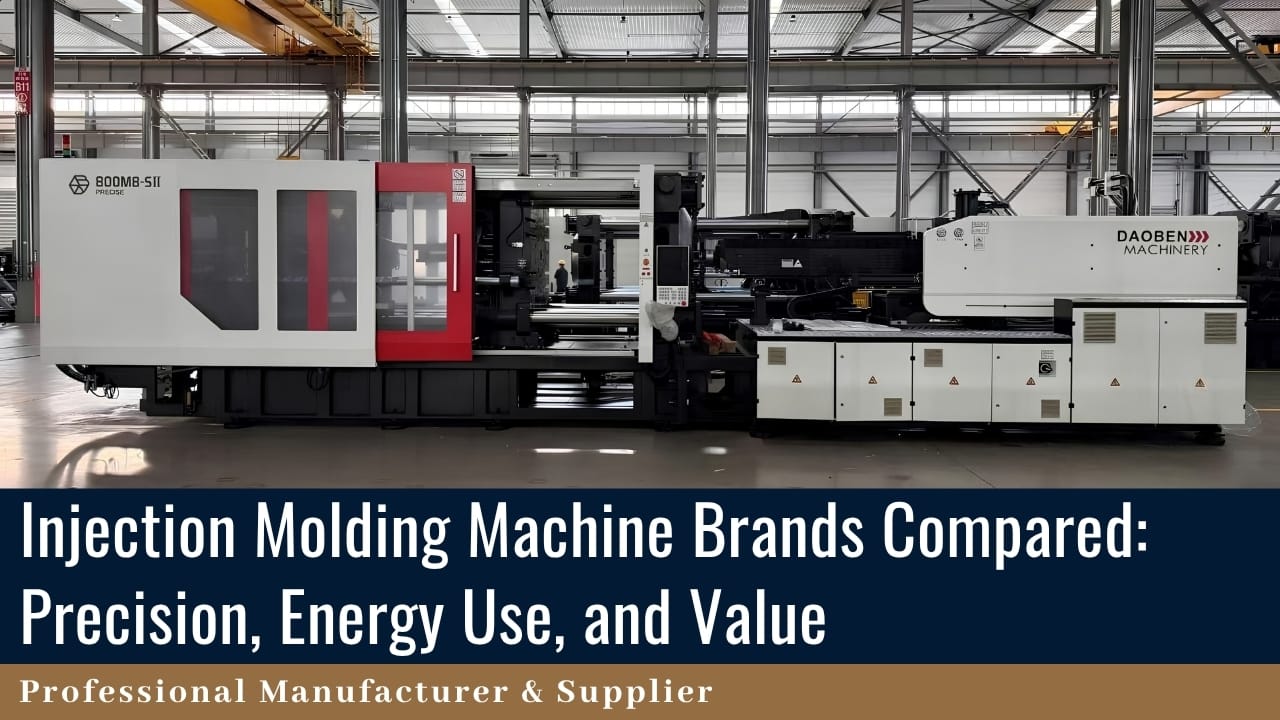
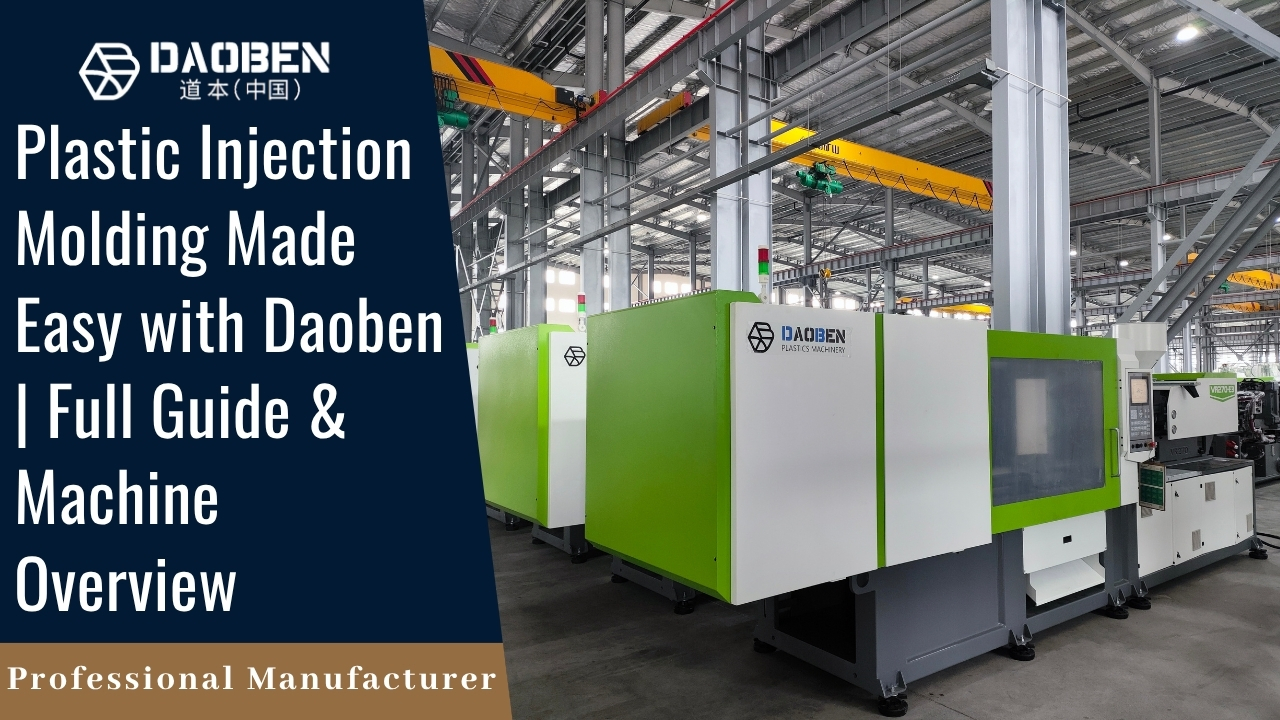
Daoben Machinery is a professional plastic injection molding machine manufacturer and supplier, producing injection molding machines from 30 Ton to 4000 Ton. That breadth lets you standardize on one partner across new molds, transfers, and future expansion—from small pilot tooling to large‑part production.
What a plastic bottle making machine usually includes
Because the phrase is broad, let’s clarify the building blocks:
- Preform injection molding machine (PET or rPET capable), hot runner mold, de‑gate/cooling, and take‑out/handling.
- Blow molding (reheat stretch blow or single‑stage ISBM) with neck finish control.
- Caps & closures injection cells (often PP/HDPE) with vision inspection and lining.
- Auxiliaries: dehumidifying dryers, mold‑temperature control, chillers, compressed air, conveyors, and box packing.
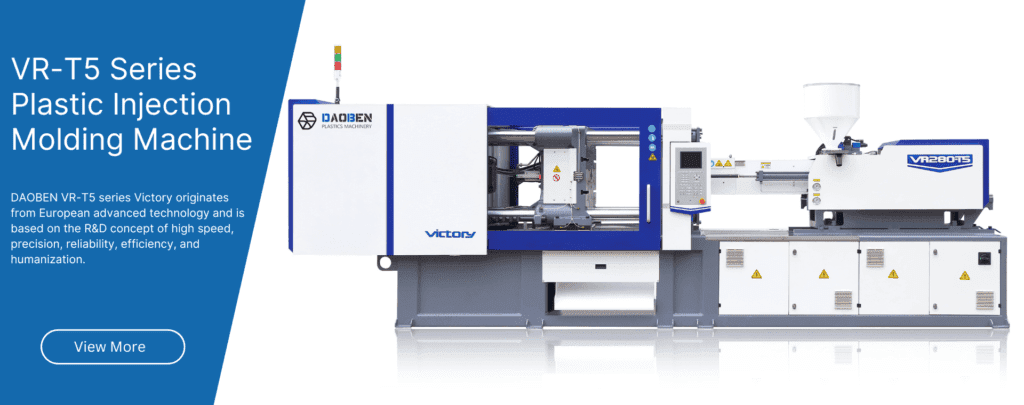
Where Daoben fits: we design and supply the injection machines for preforms and closures—the parts that determine bottle quality long before air ever enters the mold.

Key selection criteria for preform injection
Use these points to shortlist platforms and confirm specs with your tooling supplier:
- Clamping force & platen rigidity
Choose a clamp that resists cavity opening at pack/hold. For PET preforms, mid‑to‑high‑tonnage presses with rigid platens protect gate vestige and maintain concentricity. - Shot size & plasticizing rate
Target an average shot of 30–80% of barrel capacity; verify that the plasticizing rate supports cycle time at your melt temperature. PET needs consistent drying and melt quality to avoid AA and haze. - Injection speed & V/P switchover
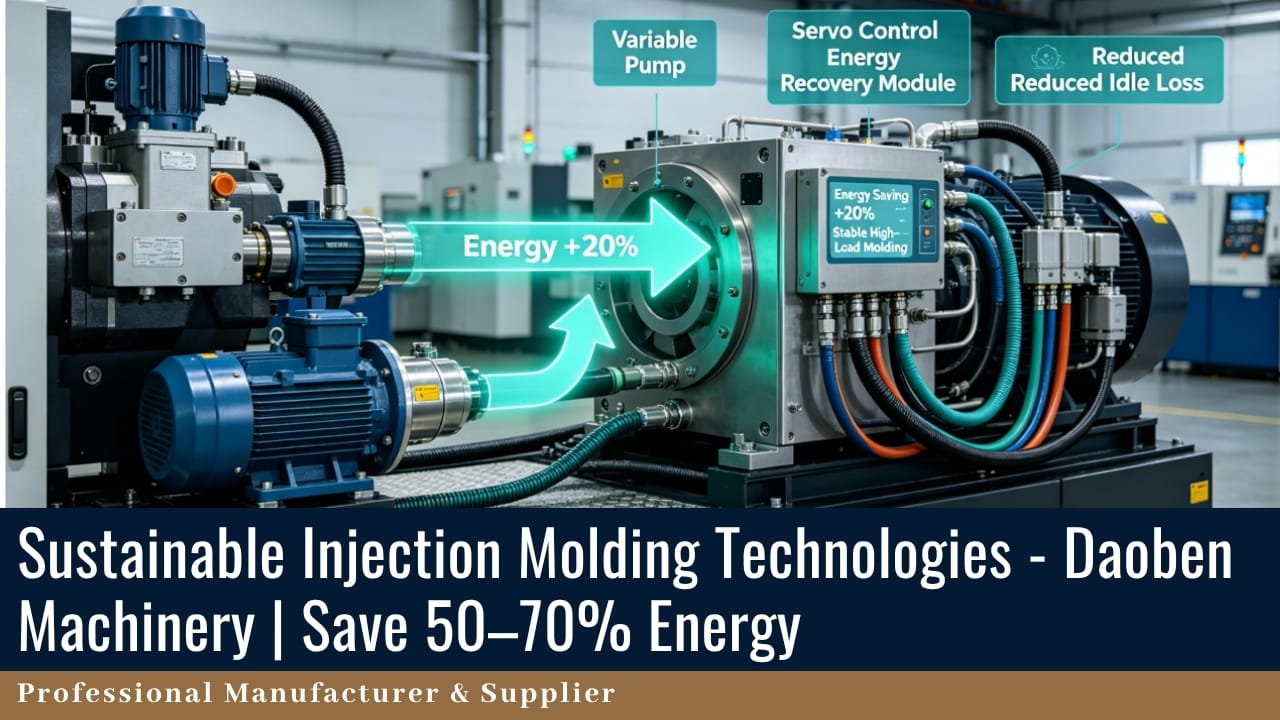
Thin gate sections on high‑cavitation molds demand fast, repeatable fill and precise transfer to pack/hold to minimize flash and short shots. - Energy efficiency
Servo‑hydraulic systems are a proven way to cut electricity use without sacrificing robustness; hybrids or all‑electric options (where applicable) can push efficiency and precision further. - Controls & connectivity
Look for multi‑stage profiles, adaptive control loops, material lot tracking, and OPC‑UA/MQTT connectivity for factory MES/OEE dashboards. - Uptime & serviceability
Prioritize easy hydraulic access, quick‑change screws/barrels, common spare parts, remote diagnostics, and regional technician coverage.
How to estimate tonnage and capacity
A simple starting point is to calculate projected area (including runners) and apply a rule of thumb for clamp force. Many molders use 3–5 tons per square inch for general parts; thin‑wall or high‑cavitation tools may require more. For preforms, also check:
- Mold cavitation vs. residence time limits for PET/rPET.
- Screw design and L/D suited to PET drying and melt quality.
- Tie‑bar spacing and platen layout for current and future molds.
Tip: share part drawings, neck finish, gram weight, target cycle, and resin spec when requesting a proposal—this speeds up a precise recommendation.
Why Daoben for preforms and caps
- Range: 30–4000‑ton portfolio supports preforms, caps, and other packaging parts, plus the rest of your factory’s molding needs.
- Process stability: rigid platens, precise V/P transfer, and user‑friendly control help reduce weight variation and scrap.
- Energy focus: servo systems help lower kWh per kilogram; features like barrel insulation and smart standby protect margins.
- Lifecycle support: application guidance, commissioning, operator training, and responsive parts/service.
If you’re comparing plastic bottle making machine options
Remember that many buyers use this phrase when they really need two coordinated systems: an injection cell for preforms/caps and a blow cell for bottle forming. Standardizing the injection platform first brings fast wins: shorter cycles, fewer rejects, and smoother handoff to blow.
A modern plastic bottle making machine is only as strong as its injection unit
Your blow molder can’t fix ovality, gate blush, or inconsistent IV that started upstream. By dialing in injection parameters—melt temperature, cushion, pack/hold, and hot runner balance—you safeguard bottle clarity, top‑load, and cap torque retention.
Specification checklist (save this)
Use this checklist to specify your plastic bottle making machine:
- Target bottle and preform gram weights; neck finish and thread profile
- Planned cavitation and annual volume; cycle‑time goal
- Resin stream (virgin, rPET %, additives); drying specs
- Required certifications (food contact, GMP, cleanroom)
- Utilities available (power, chilled water, compressed air)
- Automation level (take‑out, vision, box packing, palletizing)
Next steps
- Share your part data and throughput goals.
- We’ll size the press (and screw/barrel) for your preform/cap molds and outline commissioning, training, and maintenance.
- Need help coordinating with a blow‑molding vendor? We can align interfaces and utilities so startup is smooth.
Ready to talk? Contact Daoben Machinery to size your plastic bottle making machine and build a growth‑ready plan for your packaging line.
FAQ’s
Look at production capacity, material compatibility, machine type (extrusion or injection), and overall cost-efficiency.
A semi-automatic machine is often ideal for small to medium production needs due to lower cost and flexibility.
Choose a trusted manufacturer, check after-sales support, and ensure regular maintenance.