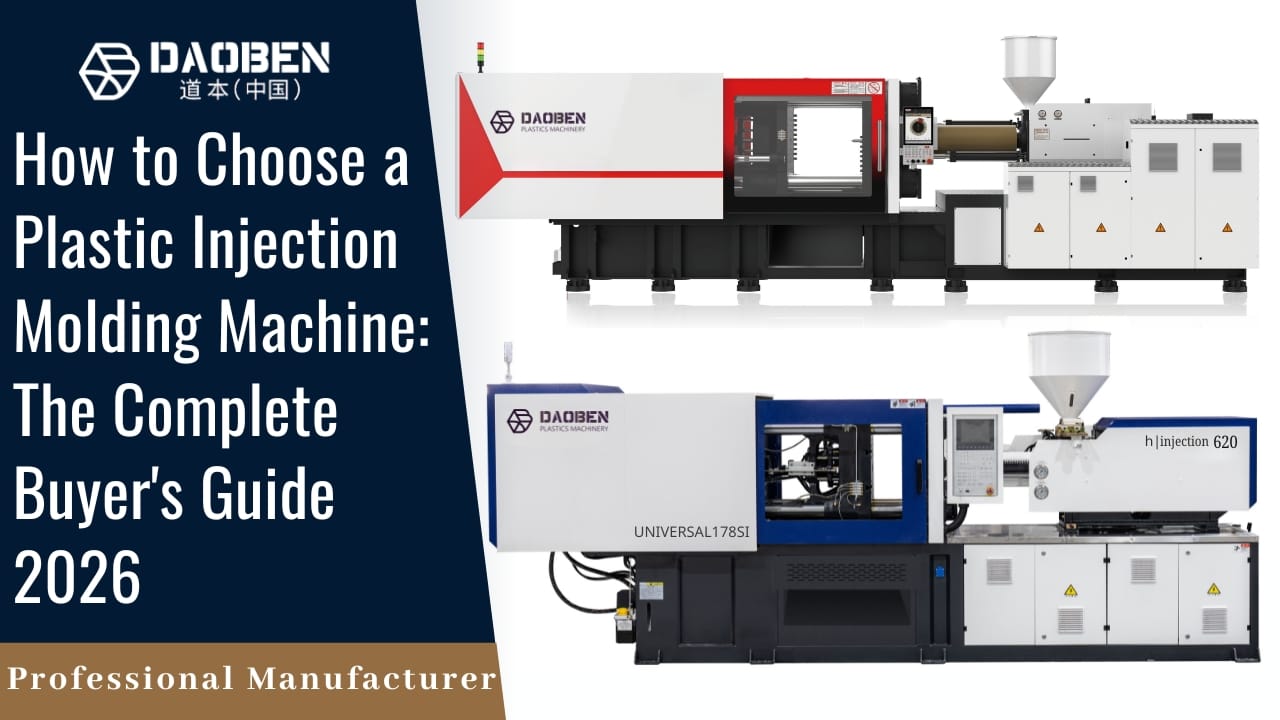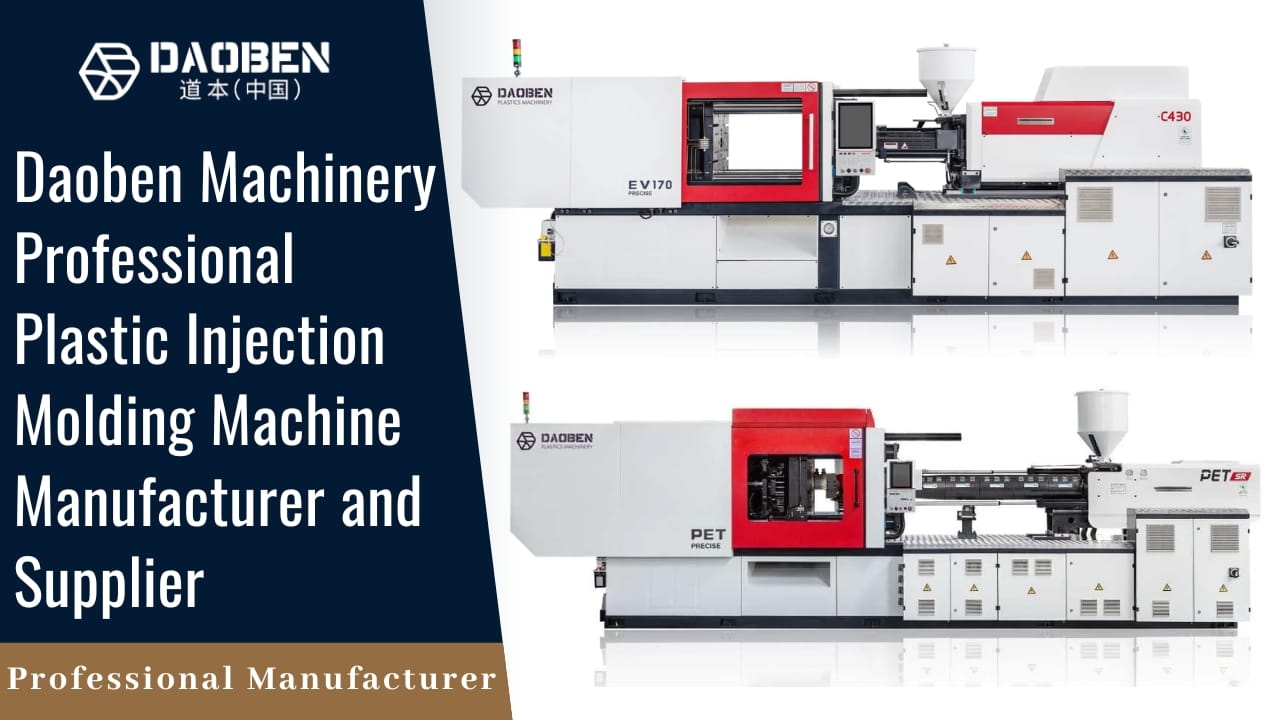

Still running manual injection plastique operations? You are probably spending 25–40% more per unit than you need to. High labor overhead, inconsistent cycle times, and rising defect rates eat into margins every single day. The fix is not complicated. Automated molding machines deliver repeatable precision, lower energy bills, and dramatically less waste. This article breaks down exactly where the savings come from and what procurement teams should look for when evaluating machine injection molding equipment from a direct manufacturer.
The Real Cost of Manual Injection Plastique Operations
Manual injection plastique setups might look cheaper on paper. The initial machine price is lower. Training is simpler. But the long-term numbers tell a different story.
Injection Plastique Labor Overhead Adds Up Fast
A manual machine typically needs one dedicated operator per unit. That operator handles mold setup, monitors cycle parameters, removes finished parts, and trims flash by hand. In a facility with ten machines, that is ten full-time operators on every shift. Wages, benefits, overtime, and turnover costs stack quickly. In markets where skilled labor is scarce, this becomes a bottleneck that limits production capacity altogether.
Inconsistent Cycle Times Hurt Throughput
When an operator manually adjusts clamping force, injection speed, or cooling duration, cycle times vary. One shot might take 45 seconds. The next takes 52. Over thousands of cycles per day, those extra seconds compound into hours of lost production. Inconsistency also makes it harder to quote lead times accurately — a real problem when customers expect reliable delivery schedules.
Higher Defect Rates Mean Higher Scrap Costs
Manual control introduces human variability. A slight change in injection pressure or barrel temperature can produce short shots, sink marks, or warpage. Industry data suggests manual operations run defect rates between 3–8%, while automated systems typically hold below 1%. At production volumes of 100,000 parts per month, even a 2% reduction in rejects saves thousands in raw material and rework time.
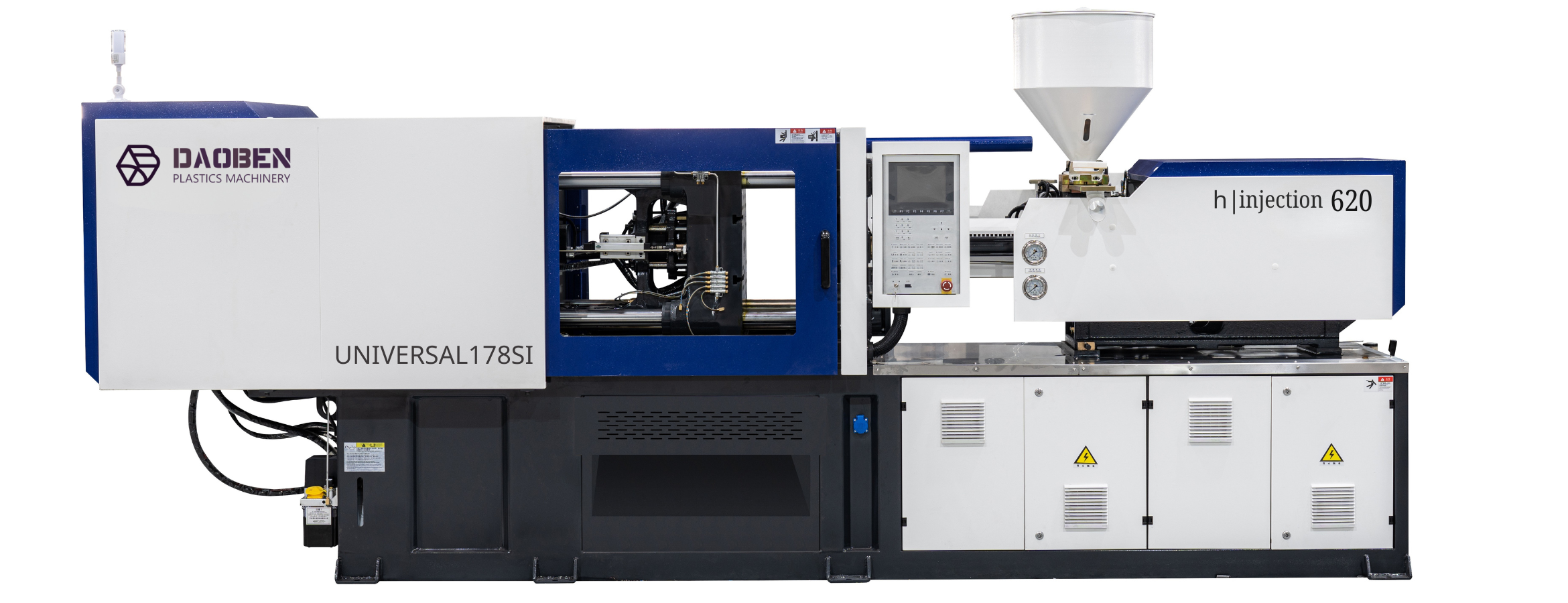
How Automation Cuts Cycle Time in Injection Plastique
Servo Motor Systems Deliver Faster Response
Servo-driven hydraulic pumps respond to commands in milliseconds. Unlike fixed-pump systems that run at constant speed regardless of demand, servo motors accelerate and decelerate precisely when needed. This eliminates wasted motion during idle phases of the cycle. The result is a 15–30% reduction in cycle time on most standard parts.
Automatic Mold Clamping Removes Manual Steps
Automated clamping systems apply exactly the tonnage required — no more, no less. They adjust in real time based on sensor feedback. Manual clamping, by contrast, relies on operator judgment and mechanical adjustment. Automated systems also enable faster mold changeovers, which matters when production schedules call for frequent product switches.
Robotic Part Ejection Keeps the Cycle Moving
Robotic arms or sprue pickers remove finished parts within seconds of mold opening. There is no waiting for an operator to reach in, inspect, and pull. The mold closes again immediately. Across a 24-hour production run, robotic ejection can add hundreds of extra cycles compared to manual removal.
Material Savings Through Precision Control
Raw material is often the single largest cost in injection plastique. Resin prices fluctuate, and every gram of wasted plastic cuts into profit. Automated machines address this with three key controls.
Automated Dosing Accuracy
Modern machine injection molding systems use gravimetric or volumetric dosing systems that meter exact amounts of resin per shot. Manual systems rely on operator estimates or basic timers that overshoot. Precision dosing reduces material consumption by 2–5% on average.
Barrel Temperature Control
Automated PID temperature controllers maintain barrel zones within ±1°C. Consistent melt temperature means consistent flow behavior, which means fewer rejects caused by thermal degradation or incomplete fill. Manual systems with basic thermostats can drift by 5–10°C, wasting material on defective shots.
Injection Pressure Monitoring
Closed-loop pressure control adjusts injection and packing pressure in real time. If cavity resistance changes due to temperature drift or material batch variation, the system compensates automatically. This prevents overpacking (which wastes material and causes flash) and underpacking (which causes sink marks and rejects).
Lower Defect Rates Mean Lower Scrap Costs in Injection Plastique
Repeatable precision is the core advantage of automated injection plastique. Every parameter — injection speed, pressure profile, cooling time, clamp force — is stored digitally and executed identically on every shot. The machine does not get tired. It does not lose concentration at the end of a 12-hour shift.
For procurement managers evaluating suppliers, this consistency translates directly into fewer quality claims, fewer returns, and stronger customer relationships. A Daoben Plastic Molding Machine with servo-driven controls holds dimensional tolerances within ±0.05 mm across production runs of 500,000+ shots. That kind of repeatability is difficult to achieve with manual operation at any price point.
To understand how machine specifications affect quality outcomes, see our toggle clamp injection molding machine guide.
Energy Efficiency of Servo-Driven Machines
Energy costs represent 10–20% of total production expenses in injection plastique facilities. The type of drive system your machine uses has a massive impact on that number.
| Machine Type | Energy Use (kWh/kg) | Savings vs Hydraulic | Best For |
| Standard Hydraulic | 0.8 – 1.2 | Baseline | Heavy-tonnage, low-cycle jobs |
| Servo-Hydraulic | 0.4 – 0.7 | 30 – 50% | General production, packaging |
| All-Electric | 0.3 – 0.5 | 50 – 70% | Precision parts, medical, cleanroom |
Servo-hydraulic machines — the most popular configuration for general-purpose injection plastique — cut electricity bills by 30–50% compared to older fixed-pump hydraulic units. The servo motor only draws power when the machine is actively moving. During cooling and idle phases, consumption drops close to zero. Over a year of three-shift operation, those savings often reach tens of thousands of dollars per machine.
Reduced Labor Dependency with Automated Machine Injection Molding
One of the strongest financial arguments for automation is labor reduction. With a fully automated injection plastique cell, a single operator can monitor and manage 4–6 machines simultaneously. Compare that to manual setups where each machine demands its own operator.
This is not just about wage savings. It is about flexibility. When labor is tight, automated facilities keep running. When demand spikes, you scale output without proportional headcount increases. Automated systems also reduce safety incidents — operators are supervising from a distance rather than reaching into mold areas.
Training time drops significantly too. Teaching someone to monitor automated machine injection molding equipment takes days, not weeks. The machine handles the complex process control. The operator focuses on quality checks, material loading, and exception handling. This makes it far easier to onboard new staff and maintain consistent output even with workforce turnover.
For importers and distributors supplying machines to end-user factories, offering automation-ready equipment is a competitive advantage. Your customers get more output with fewer people, and they come back for additional machines sooner.
For a detailed look at how machine pricing relates to automation features, visit our injection machine price breakdown.
ROI Comparison: Manual vs Automated Injection Plastique Machines
The question procurement teams always ask: how fast does automation pay for itself? Here is a simplified comparison based on a mid-range 250-ton machine running commodity parts in a three-shift operation.
| Cost Factor | Manual Machine | Automated (Servo) |
| Machine Purchase Price | $28,000 – $35,000 | $42,000 – $55,000 |
| Operators Per Machine | 1 | 0.2 (1 per 5 machines) |
| Annual Energy Cost | $8,500 – $11,000 | $4,200 – $6,500 |
| Scrap Rate | 3 – 8% | 0.5 – 1.5% |
| Annual Material Waste | $12,000 – $18,000 | $3,000 – $6,000 |
| Annual Labor Cost (per machine) | $18,000 – $25,000 | $4,000 – $6,000 |
| Estimated Payback Period | — | 8 – 14 months |
Even with a higher upfront cost, the automated machine typically pays for itself within a year through labor, energy, and material savings. For factory owners running multiple machines, the cumulative savings are substantial.
Consider a facility operating 10 machines across two shifts. Switching from manual to automated injection plastique equipment could save $150,000–$250,000 annually in combined labor, energy, and scrap costs. That is capital that can fund expansion, new tooling, or additional product lines. The financial case gets even stronger when you factor in higher output per machine and improved on-time delivery rates that strengthen customer retention.
For current pricing data on different tonnage ranges, check our plastic injection molding machine price guide.
Daoben’s Automation-Ready Injection Plastique Machine Range
At Daoben Machinery, we manufacture injection plastique machines from 30 Ton to 4,000 Ton — all designed with automation at the core. Our servo-driven models deliver the energy savings, cycle time reductions, and precision described throughout this article.
What makes a Daoben Plastic Molding Machine different from machines you will find through trading companies?
Direct manufacturer pricing. No middleman markup. You deal with the engineers who built the machine.
Servo-hydraulic drive systems standard on all production series.
Precision screw and barrel assemblies designed for consistent plasticizing across material types.
Modular automation compatibility — robot interfaces, conveyor integration, and centralized control ready out of the box.
Full OEM and ODM customization for importers and distributors who need branded or specification-modified equipment.
For specific applications like furniture manufacturing, see our plastic chair making machine page for configuration details.
Whether you are sourcing a single 100-ton machine for a specialty operation or outfitting a full production line with 1,000+ ton units, our engineering team works directly with your procurement and technical staff to specify the right configuration.
What to Look for When Comparing Injection Plastique Machine Suppliers
Not every machine labeled “automated” delivers real savings. Here is what experienced buyers check before signing a purchase order:
Servo system brand and specifications. Ask for documentation on the servo motor and driver. Generic components underperform and fail sooner.
Closed-loop control on injection, clamping, and ejection. Open-loop systems with basic timers are not true automation.
Energy consumption data under load. Request kWh/kg figures for your target material and part weight.
Defect rate guarantees. A confident manufacturer will stand behind repeatability claims with performance warranties.
After-sales support infrastructure. Fast spare parts delivery and remote diagnostics reduce downtime costs.
Daoben provides full technical datasheets, factory test reports, and video demonstrations for every model in our range. Our team supports importers and distributors through the entire evaluation and purchasing process.
We also invite buyers to visit our production facility for in-person machine demonstrations. Seeing a servo-driven injection plastique machine operate side by side with a conventional hydraulic unit makes the performance difference immediately obvious. Remote factory tours via video call are available for international buyers who cannot travel.
Frequently Asked Questions:
What is the typical payback period for an automated injection plastique machine?
Most buyers recover their additional investment within 8 to 14 months. Savings come from reduced labor, lower energy use, less material waste, and fewer defective parts. The exact timeline depends on shift schedules, part complexity, and local labor costs.
Can I retrofit automation onto my existing manual injection molding machines?
Some upgrades are possible — adding servo pumps or robotic pickers, for example. However, retrofitting rarely matches the performance of a machine designed for automation from the ground up. For production-critical applications, a purpose-built automated machine delivers better results and lower total cost of ownership.
How does a Daoben Plastic Molding Machine compare to European or Japanese brands?
Daoben machines use comparable servo technology and precision components at a significantly lower price point. As a direct manufacturer, we eliminate the import markups that trading companies add. Many of our distributors serve markets where Daoben machines run alongside European equipment on the same production floor — producing identical quality at a fraction of the cost.
What tonnage range does Daoben offer for automated injection plastique machines?
We manufacture machines from 30 Ton to 4,000 Ton. Every model in our production series comes standard with servo-hydraulic drive systems. Custom tonnage configurations and specialized clamping designs are available through our OEM/ODM program.
Is machine injection molding suitable for small production runs?
Yes. Automated machines with fast mold changeover systems are efficient even for runs of 5,000–10,000 parts. Quick-change hydraulic clamps and stored parameter settings allow operators to switch molds in minutes rather than hours, keeping short runs profitable.
Ready to Reduce Your Production Costs?
Daoben Machinery is a direct manufacturer of injection plastique machines — not a reseller, not a trading company. When you work with us, you get factory-direct pricing, full technical support, and machines engineered for the automation advantages described in this article.
Contact our team today to discuss your production requirements, request a quotation, or schedule a virtual factory tour. Visit us or reach out directly to our export sales department. We respond within 24 hours.