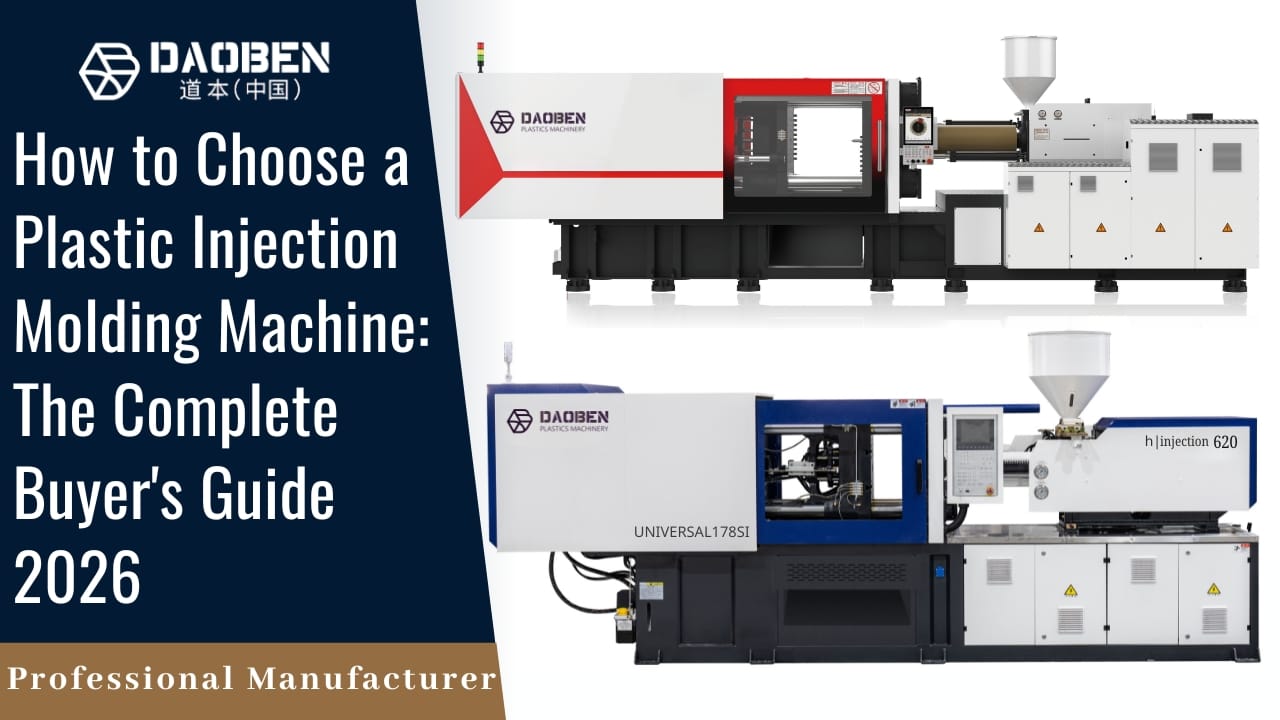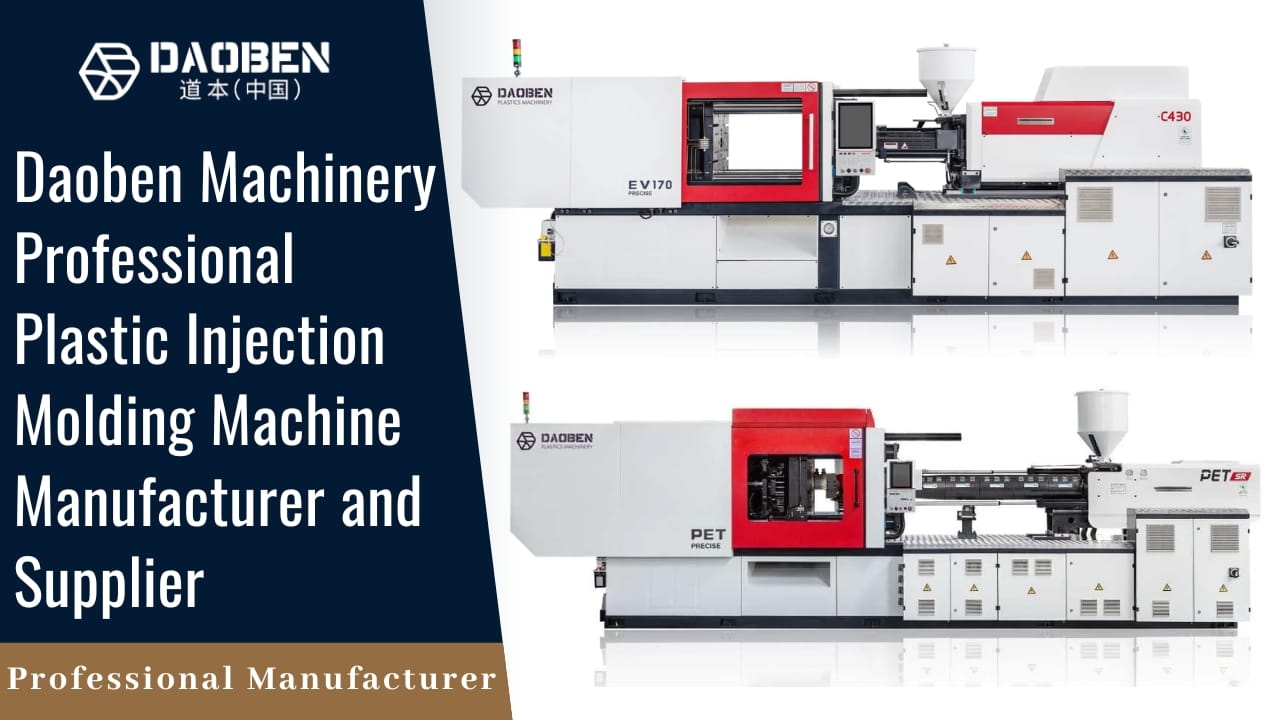

The injection machine price is mainly determined by the clamping force (tonnage) and the type of machine (hydraulic, electric, hybrid). Different tonnages are suitable for different products, and different types of machines vary significantly in energy consumption, precision, and cost. The following is a detailed analysis of the price range, applicable scenarios, and advantages and disadvantages of each tonnage and type.
Classification and injection machine` price analysis by tonnage
Clamping force is the core parameter of plastic injection machine. The unit is ton (Ton), which indicates the maximum clamping force that the clamping mechanism can provide. The larger the tonnage, the larger the size of the plastic product that can be molded, but the higher the price.
1. Small hydraulic plastic moulding machine (50-200 tons)
| Type | Price Range (USD) |
|---|---|
| Hydraulic | $10,000 – $50,000 |
| Electric | $30,000 – $80,000 |
| Hybrid | $25,000 – $60,000 |
Applicable products:
Small plastic parts (such as bottle caps, electronic housings, toys, medical consumables, etc.).
Thin-walled parts (e.g. food packaging, cosmetic containers).
Advantages:
Low cost: Small initial investment, suitable for start-ups or small batch production.
Small footprint: Suitable for factories with limited space.
Low energy consumption (electric): Less electricity bills than large-tonnage machines.
Disadvantages:
Limited production capacity: Cannot produce large or high-demand plastic parts.
Limited accuracy (hydraulic): Poor repeatability compared to electric (±0.1mm vs. ±0.02mm).

2. Medium-sized automatic plastic molding machine (200-500 tons)
| Type | Price Range (USD) |
|---|---|
| Hydraulic | $50,000 – $150,000 |
| Electric | $80,000 – $200,000 |
| Hybrid | $70,000 – $180,000 |
Applicable products:
Automotive parts (e.g. dashboards, door handles).
Appliance housings (e.g. TV frames, washing machine drums).
Industrial parts (such as gears, pipe joints).
Advantages:
Wide application range: can cover most common injection molding product needs.
Cost-effective: cheaper than large plastic machines, higher capacity than small machines.
Optional high-precision models (electric/hybrid): suitable for precision injection molding.
Disadvantages:
High energy consumption (hydraulic): long-term electricity costs are high.
Slow mold change: Unlike small machines, mold change time is longer (30-60 minutes).
3. Large horizontal injection molding machine (500-1000 tons)
| Type | Price Range (USD) |
|---|---|
| Hydraulic | $150,000 – $400,000 |
| Electric | $250,000 – $600,000 |
| Hybrid | $200,000 – $500,000 |
Applicable products:
Large plastic parts (such as car bumpers, trash cans, logistics pallets).
Thick-walled parts (such as industrial barrels, large containers).
Advantages:
High capacity: suitable for mass production.
Complicated and large parts can be formed, meeting the needs of the automotive, home appliance, and other industries.
Disadvantages:
Expensive: high initial investment, small and medium-sized enterprises can hardly afford it.
Extremely high energy consumption (hydraulic): electricity bills can reach
Large floor space: requires dedicated plant and foundation reinforcement.

4. Super large plastic injection machine (more than 1000 tons)
| Type | Price Range (USD) |
|---|---|
| Hydraulic | $400,000 – $1,000,000+ |
| Electric | $600,000 – $1,500,000+ |
| Hybrid | $500,000 – $1,200,000+ |
Applicable products:
Super large plastic parts (such as car door panels, bathtubs, large industrial parts).
High-speed production of multi-cavity molds (such as mass production of disposable tableware).
Advantages:
Super strong clamping force: can produce super large or high-precision engineering plastic parts.
High automation integration: usually equipped with manipulators and intelligent control systems.
Disadvantages:
High investment: only suitable for large manufacturing companies.
Extremely high maintenance costs: hydraulic system maintenance costs can reach $10,000+/time.
Customized plant required: extremely high requirements for electricity and ground load-bearing capacity.
Classification and injection machine price analysis by type
In addition to tonnage, the drive mode of the injection molding machine (hydraulic, electric, hybrid) also greatly affects the injection machine price and performance.
1. Hydraulic injection molding machine price
Injection machine price range: 30%-50% lower than electric.
| Tonnage | Price Range (USD) |
|---|---|
| 50 tons | $10,000 – $30,000 |
| 500 tons | $150,000 – $300,000 |
| 1000 tons | $400,000 – $800,000 |
Advantages:
Low injection machine price: suitable for companies with limited budgets.
Advantages of large tonnage: super-large moulding plastic machines (2000 tons+) are basically only hydraulic.
Disadvantages:
High energy consumption: The hydraulic pump runs continuously, and the electricity cost is high.
Low precision: The repeatability is about ±0.1mm, which is not suitable for high-precision injection molding.
Noisy: The working environment is poor.
2. All-electric injection molding machine price
Injection machine price range: 50%-100% more expensive than the hydraulic type.
| Tonnage | Price Range (USD) |
|---|---|
| 50 tons | $30,000 – $80,000 |
| 500 tons | $250,000 – $500,000 |
| 1000 tons | $600,000 – $1,200,000 |
Advantages:
Ultra-high precision (±0.02mm): Suitable for medical, optical, and electronic parts.
Energy saving 60%+: The servo motor supplies energy on demand, saving electricity in the long term.
Quiet and clean: No risk of hydraulic oil leakage.
Disadvantages:
High initial investment: Long payback period (3-5 years).
Few large tonnage options: Usually no more than 1500 tons.
3. Hybrid automatic injection molding machine
Price range: between hydraulic and electric.
| Tonnage | Price Range (USD) |
|---|---|
| 50 tons | $25,000 – $60,000 |
| 500 tons | $200,000 – $400,000 |
| 1000 tons | $500,000 – $1,000,000 |
Advantages:
Balanced performance and cost: 30% more energy-efficient than hydraulic presses and cheaper than electric motors.
Wide applicability: Suitable for most common injection molding needs.
Disadvantages:
Still dependent on hydraulic system: Some structures are complex and difficult to maintain.
How to choose a suitable plastic injection machine?
1. Select tonnage according to product requirements
Small parts (<100g) → 50-200 tons
Medium parts (100g-2kg) → 200-500 tons
Large parts (>2kg) → 500+ tons
2. Select type according to production requirements
High precision, low energy consumption → electric
Low cost, large tonnage → hydraulic
Balance budget and performance → hybrid
3. Long-term cost considerations
Electric: suitable for long-term high-precision production (such as medical, electronics).
Hydraulic: suitable for short-term or low-cost production (such as ordinary plastic products).
Summary
Small machine (50-200 tons): low cost, low production capacity, suitable for start-ups.
Medium machine (200-500 tons): the most cost-effective, suitable for most products.
Large machine (500+ tons): high investment, high production capacity, suitable for the automotive and home appliance industries.
Electric: high precision, high energy efficiency, but expensive.
Hydraulic: Cheap but energy-consuming, suitable for companies with limited budgets.
Final recommendation: Make a comprehensive choice based on product size, precision requirements, budget and long-term production costs.