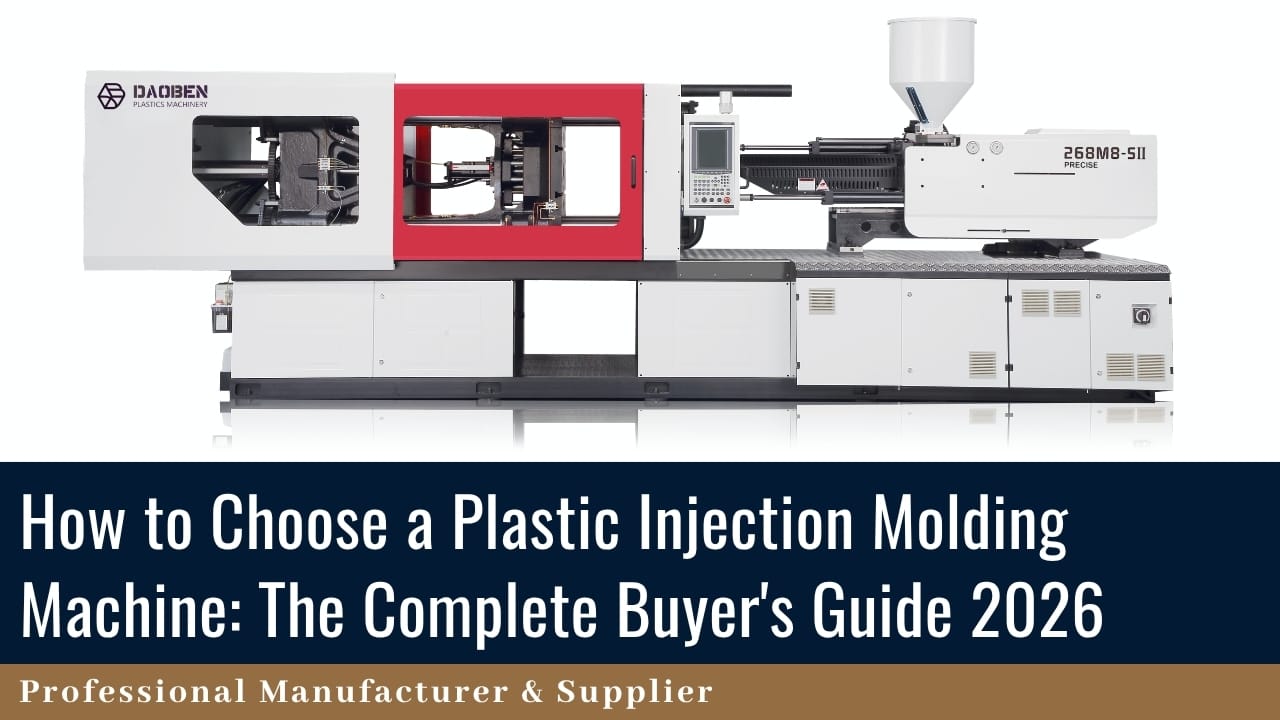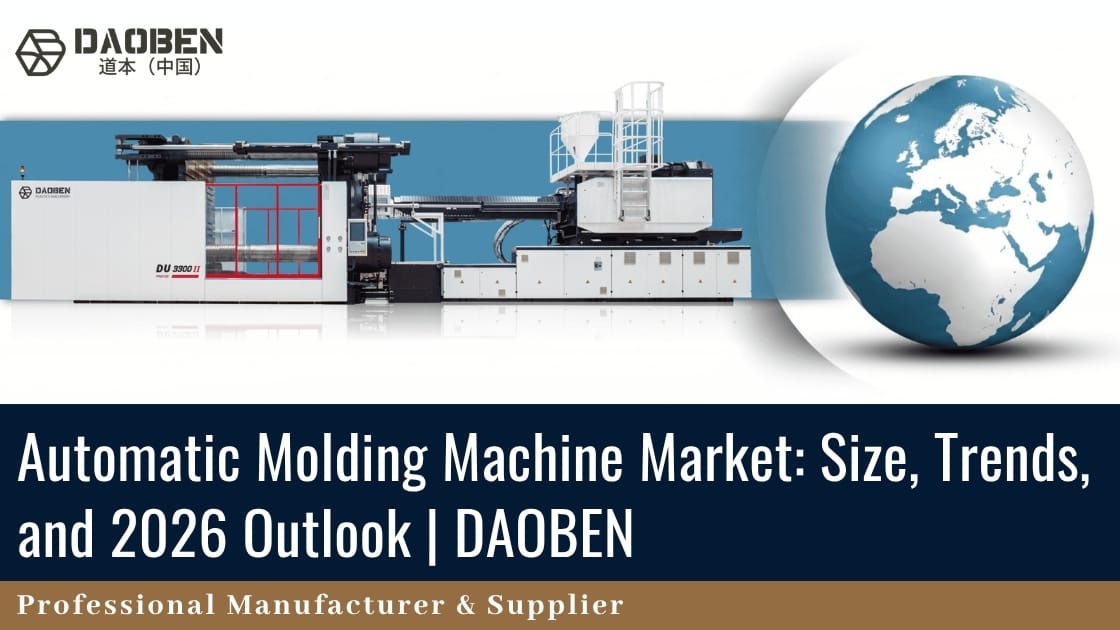

When choosing an injection molding machine, all-electric and hydraulic moulding plastic machines are the two most common types, and they each have their own advantages and disadvantages. To decide which one is more suitable for your production needs, you need to consider multiple factors such as their respective characteristics, costs, technical characteristics, and application scenarios.
Advantages and disadvantages of each of them
1. Hydraulic injection machine
Advantages:
① Lower initial cost: The purchase cost of hydraulic injection molding machines is relatively low, which is attractive to manufacturers with limited budgets.
② Cheap replacement parts: Replacement parts for hydraulic injection molding machines are cost-effective and easy to obtain, which helps reduce maintenance downtime.
③ Durability and strength: The hydraulic components of hydraulic plastic injection machines are designed to be durable and have excellent wear resistance, which contributes to their long life and reliability in production environments.
④ Strong clamping force: Hydraulic injection machine can be configured with a large clamping force, which is essential for molding large or complex parts and can ensure the accuracy and integrity of the product.
⑤ Simple and easy to operate: Hydraulic injection molding machines are simple to operate and easy to maintain, and their design enhances reliability and reduces the risk of mechanical failure.
Disadvantages:
① Preheating time: Hydraulic injection molding machines need to be preheated to achieve optimal working conditions, which may delay production and reduce overall efficiency.
② High energy consumption: Hydraulic injection molding machines have high energy consumption, resulting in higher energy consumption costs and environmental impact.
③ Limited precision control: Compared with all-electric injection molding machines, hydraulic injection molding machines have lower precision control and may not be suitable for application scenarios that require fine adjustment.
④ Noise and pollution: Small hydraulic plastic molding machines may generate loud noise during operation, and hydraulic oil may cause certain pollution to the environment.

2. All-electric injection molding machine
Advantages:
① Energy saving: All electric injection molding machine have low energy consumption, and the average power consumption per hour is generally between 6 and 13 degrees, which is much lower than the energy consumption of hydraulic injection molding machines.
② High precision: All-electric injection molding machines have higher positioning accuracy, and are superior to hydraulic injection molding machines in terms of plasticization control, pressure stability, and injection accuracy, with a repeatability accuracy of about 0.1%.
③ Clean operation: All-electric injection molding machines do not use hydraulic oil, so there will be no oil leakage problems. The machine runs with low noise, which is suitable for the production of medical and food packaging products that require a clean room environment.
④ High production efficiency: All-electric plastic moulding machines can run all actions at the same time, which improves production efficiency.
⑤ Environmental protection: All-electric injection molding machines are quiet and produce less noise pollution than hydraulic injection machine, which helps create a more comfortable and environmentally friendly working environment.
Disadvantages:
① Higher initial cost: Due to the expensive high-precision servo motors and advanced control systems, the initial cost of all-electric injection molding machines is generally higher than that of traditional hydraulic injection molding machines.
② Limitation of clamping force: Horizontal all-electric injection molding machines may not be as effective as hydraulic injection molding machines when molding extremely large parts.
③ Maintenance and technical expertise: All-electric injection molding machines have complex electronic control systems. Maintaining these machines requires specialized technical knowledge. Compared with hydraulic injection molding machines, the maintenance and troubleshooting process is more cumbersome.
④ Dependence on electricity: Although all-electric injection molding machines are energy-saving, they are highly dependent on a stable power supply, which may cause production problems in areas with unstable power supply.

Cost comparison: Initial investment
All-electric injection molding machine: The price is higher because it uses high-precision servo motors and advanced control systems, and the manufacturing cost is higher.
Hydraulic injection molding machine: The initial purchase cost is lower because the hydraulic technology is mature and the supply chain is perfect, which is suitable for companies with limited budgets.
Operating cost:
All-electric injection molding machine: Low energy consumption, 30%~70% energy saving than hydraulic presses, long-term use can significantly reduce electricity bills.
Hydraulic injection machine: High energy consumption, because the hydraulic pump needs to run continuously, and the hydraulic oil needs to be cooled, which increases energy consumption.
Maintenance cost:
All-electric injection molding machine: Simple maintenance, no hydraulic oil is required, the risk of oil leakage is reduced, and the life of the motor and transmission parts is longer.
Hydraulic injection molding machine: The maintenance cost is high, and the hydraulic oil, filter element and seals need to be replaced regularly, and the hydraulic system may have leakage problems.
Application scenarios
1. All-electric injection molding machine is more suitable for:
High-precision products: such as medical parts, optical lenses, and electronic connectors.
Fast production: such as thin-wall packaging, mobile phone cases, and consumer electronics.
Clean environment: such as food packaging, medical equipment and other industries that cannot be polluted by oil.
Long-term continuous production: factories that run 24/7 and focus on energy saving.
2. Hydraulic injection machine is more suitable for:
Large or heavy products: such as car bumpers, barrel containers, and home appliance shells.
High tonnage requirements: injection molding with a clamping force of more than 1,000 tons.
Small and medium-sized enterprises with limited budgets: low initial investment, suitable for small batch production.
Complex mold requirements, such as molds that require auxiliary functions such as hydraulic core pulling and sliders.
How to choose?
Choose an all-electric injection molding machine: the product requires high precision, high speed, low energy consumption, and sufficient budget.
Choose a hydraulic injection molding machine: large tonnage is required, heavy products are produced, or cost-sensitive. Overall, all-electric injection molding machines are increasingly used in the injection molding industry, but hydraulic injection machine are still a better choice in some areas. Injection molding companies should choose equipment that suits them according to actual needs, because the choice of automatic injection molding machine is related to production efficiency and product quality.