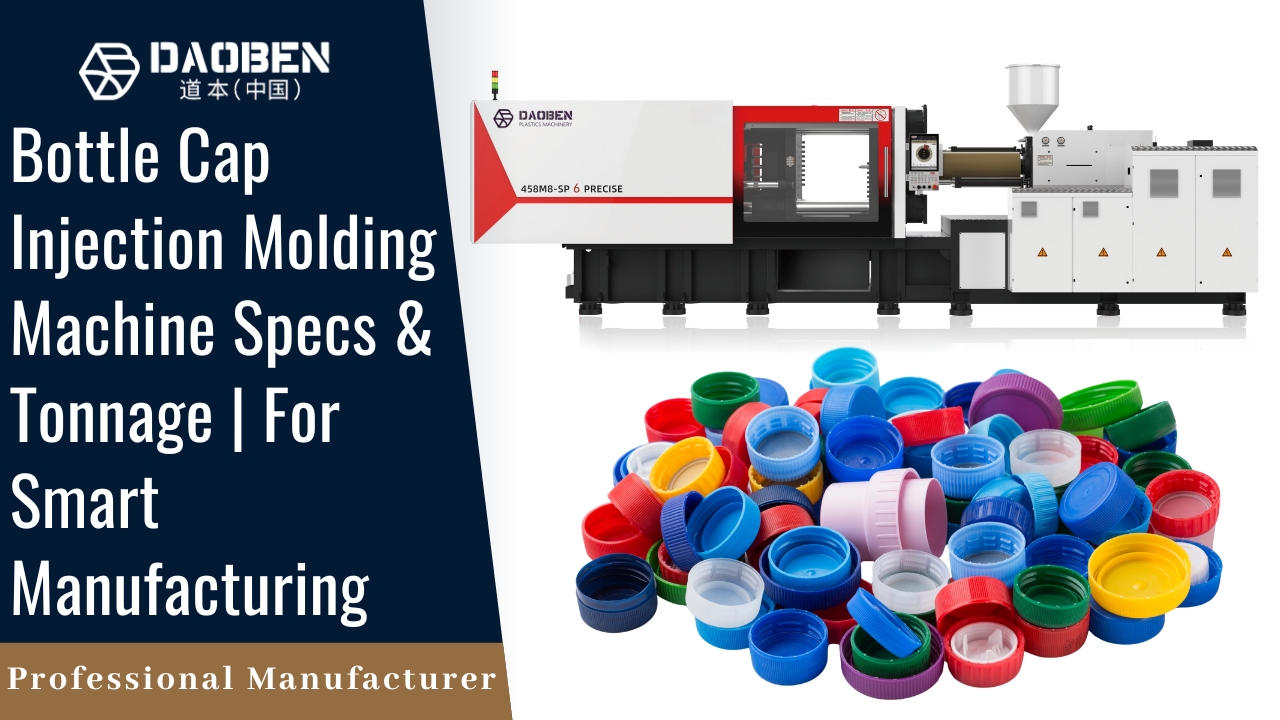
A bottle cap injection molding machine runs on numbers most buyers never see on a spec sheet. Clamp tonnage, cavity count, and cycle time decide whether a production line hits 50 million caps a year or falls short of quota. These three variables work together, not separately, so getting one wrong throws off the other two.
The global bottle caps market reached USD 3.90 billion in 2023 and is projected to grow to USD 5.62 billion by 2033, according to industry market research. That growth is pushing beverage, pharmaceutical, and personal care brands to look harder at machine specs before they buy, because the wrong tonnage or cavity count wastes money on every single shot.
This guide breaks down how tonnage scales with cavity count, what cycle times to expect for common cap types, and how to size a bottle cap injection molding machine correctly the first time. It also covers the materials, mold steel grades, and quality checks that separate a reliable production line from one that bleeds scrap.
Quick Answer: A bottle cap injection molding machine typically runs between 4.5 and 11.5 tons of clamping force for standard closures, with cavity counts from 4 to 48 depending on volume needs. Cycle times range from 3 to 15 seconds per shot for thin-wall caps, and higher cavity molds need proportionally more tonnage and shot capacity to fill evenly.
How Tonnage Scales With Cavity Count on a Cap and Closure Molding Machine
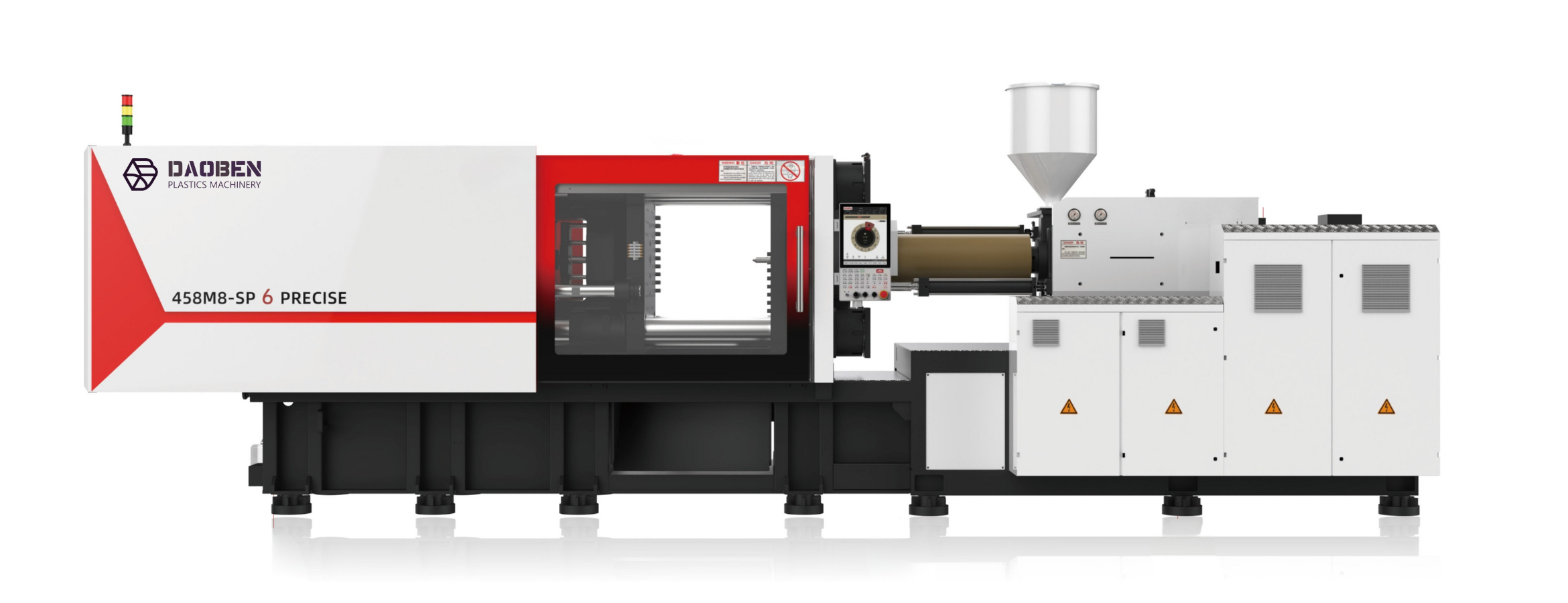
Clamp tonnage rises with cavity count because more cavities mean more total projected area pushing back against the mold during injection. A single-cavity cap tool might need only 20 to 30 tons, but a 48-cavity mold for a 28mm cap commonly demands 250 to 350 tons of clamping force. So the machine has to grow along with the mold, not the other way around.
The physics behind this is straightforward. Tonnage equals the projected area of all cavities multiplied by a clamp factor, then adjusted with a safety margin. Doubling cavity count roughly doubles the required tonnage, because the total surface area resisting the clamp doubles too. Buyers who skip this calculation often end up with a cap and closure molding machine that flashes on every shot because the press simply cannot hold the mold shut.
Why Undersized Tonnage Causes Flash and Wear
When tonnage falls short, injection pressure forces the mold halves apart at the parting line. Thin ribbons of plastic escape and harden into flash, which then requires manual trimming on every part. Over time, this also accelerates wear on the mold surfaces, shortening tool life and increasing maintenance costs.
Multi-Cavity Cap Mold Options and What They Mean for Output
A multi-cavity cap mold multiplies output without multiplying cycle time by much. Moving from a 4-cavity to a 16-cavity tool can cut piece price by 60 to 80 percent because the machine hourly rate spreads across far more parts per shot. That is why most high-volume beverage and pharmaceutical cap producers standardize on 16, 32, or 48 cavities.
Cavity count is not a free upgrade, though. A 16-cavity mold typically needs a press three to four times larger than a single-cavity version of the same part, and cycle time can increase by 5 to 15 percent because larger shot sizes take longer to cool evenly. So the decision comes down to matching annual volume against the added tooling and machine cost.
16-Cavity vs. 32-Cavity vs. 48-Cavity Molds
A 16-cavity mold suits mid-volume producers making 10 to 20 million caps per year, and it runs comfortably on machines in the 90 to 160 ton range. A 32-cavity mold pushes into the 160 to 250 ton range and fits beverage plants running multiple shifts. A 48-cavity mold, common for water and carbonated drink closures, needs 250 tons or more and is reserved for producers moving 50 million units or higher annually.
Cycle Time Benchmarks for Bottle Cap Injection Molding
Cycle times for cap and closure molding generally fall between 3 and 15 seconds per shot, with PET-specific caps sometimes running under 5 seconds. Cooling time is the single biggest factor, because thin-wall caps solidify fast but still need consistent heat removal to avoid warping or short fills.
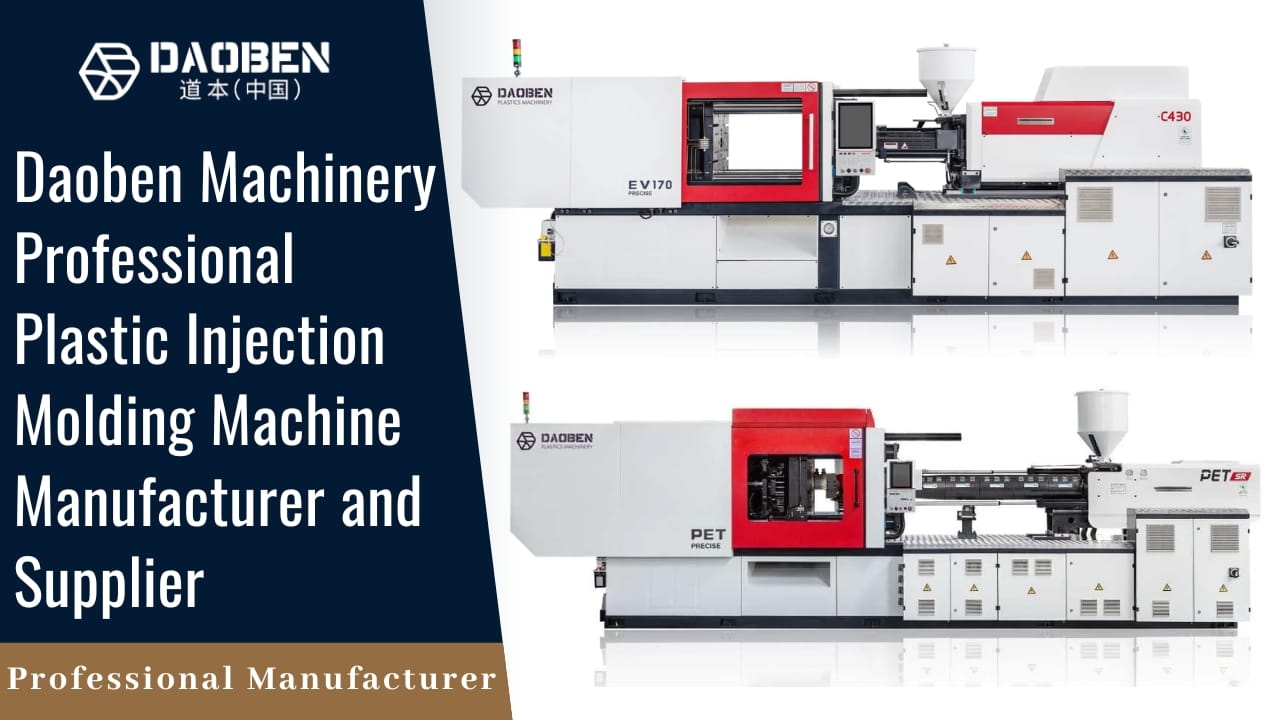
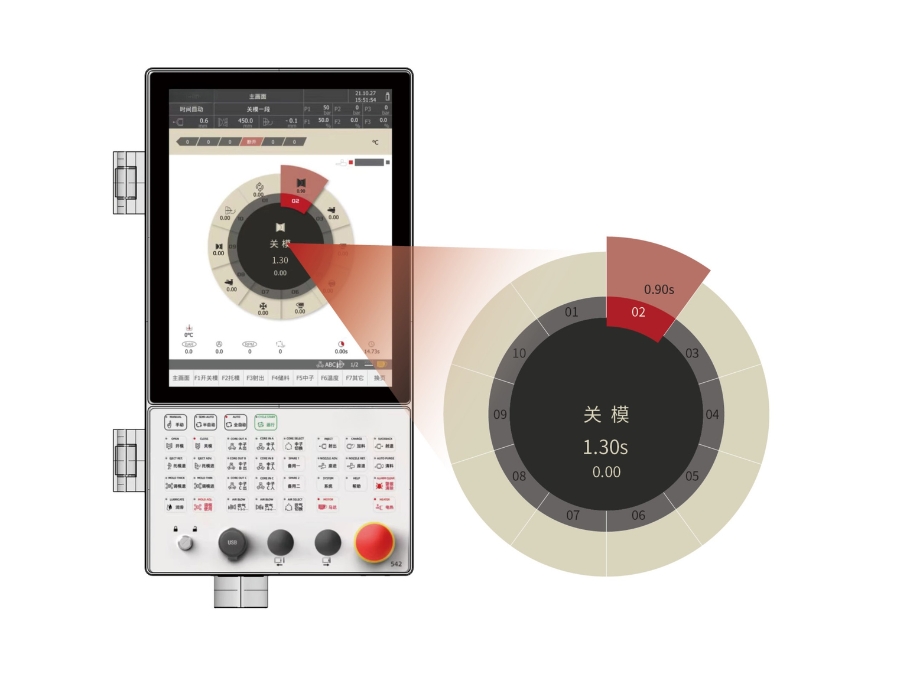
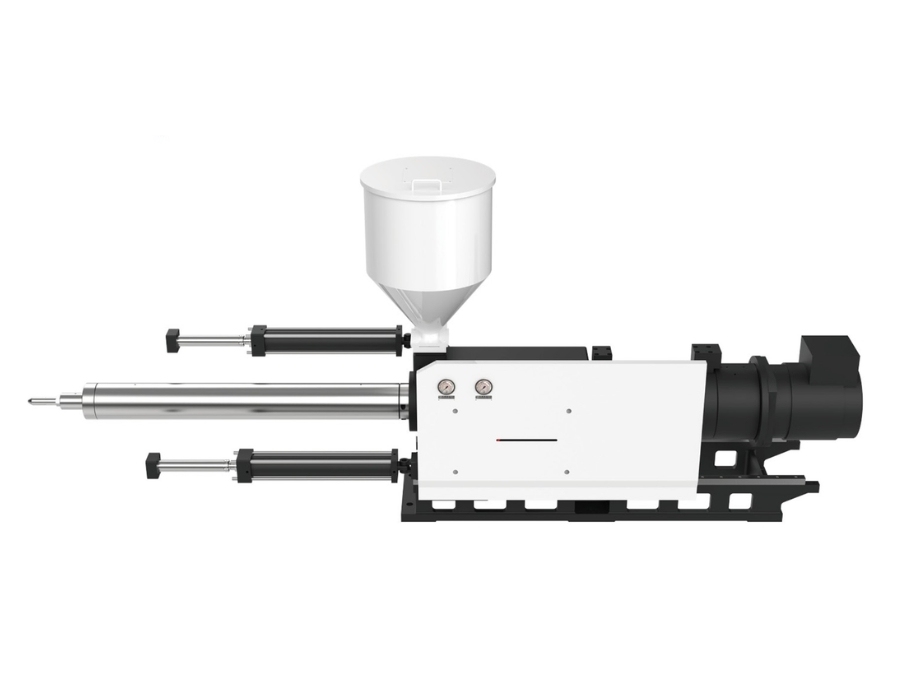
Fast cycles depend heavily on machine platform. Electric and hybrid machines generally cut cycle time and energy draw compared to standard hydraulic presses, because servo-driven injection and clamping respond faster and waste less energy holding pressure. Daoben’s EV Series injection molding machine is built around this principle, pairing servo-electric precision with the clamp stability that multi-cavity cap molds demand.
Vision-based inspection systems now process up to 120 caps per minute on the line, catching short fills or flash before they reach packaging. Pairing fast cycle times with inline inspection keeps scrap rates low even at 48-cavity output levels.
Choosing the Right Bottle Cap Injection Molding Machine for Your Volume
Machine selection should start with annual volume, not tonnage. A producer targeting under 10 million caps a year rarely needs more than a 90-ton press with an 8 or 16-cavity mold. Producers above 50 million units a year should plan for 250 tons or more and a 48-cavity tool from day one, because upgrading tonnage mid-contract means new mold investment too.
Energy efficiency also matters at scale. Cap-specific machines draw between 16 and 60 kW depending on cavity count, and running three shifts a day makes that difference add up fast on a power bill. Buyers should also confirm operating pressure stability, since cap molds typically run around 0.8 MPa to hold consistent wall thickness across every cavity.
Daoben manufactures injection molding machines from 30 to 4000 tons, so cap producers scaling from pilot runs to full production lines can move up the tonnage range without switching suppliers. Full specifications are available on the injection molding machine manufacturer and supplier page.
Materials, Mold Steel, and Quality Standards for Cap Production
Polypropylene remains the default material for flip-top and screw caps because it withstands over one million flex cycles on a living hinge without cracking. HDPE is common for larger closures needing extra rigidity, while PET-compatible resins are used where the cap must match bottle material for recycling streams.
Mold steel choice affects tool life directly. Cavity and core inserts made from stavax-grade steel with vacuum quench treatment reach a hardness of HRC 43 to 52, which holds tight tolerances over millions of cycles. Mold bases typically use P20 steel with nitrogen treatment for durability without the added cost of premium cavity steel throughout.
Dimensional tolerances on sealing surfaces need to stay within ±0.02mm to guarantee leak-proof closures, particularly for pharmaceutical and carbonated beverage caps. According to a TechBullion analysis of automated plastic injection systems, automation and tighter process control directly cut per-unit costs by reducing scrap tied to dimensional drift.
Automation, Energy Use, and Total Cost of Ownership
Tonnage and cavity count set the ceiling on output, but automation decides how much of that ceiling gets used in practice. A 48-cavity mold running unattended, with robotic part removal and inline weight checks, keeps uptime high across three shifts. Without automation, operators become the bottleneck long before the machine does.
Energy cost is often underestimated when comparing machine quotes. A hydraulic press and a servo-electric press with the same tonnage rating can differ by 20 to 40 percent in power draw over a production year. Because cap molding runs continuously at high cycle counts, that gap compounds quickly, so buyers should request kWh-per-thousand-shots figures alongside tonnage specs before signing off on a machine.
Total cost of ownership also depends on mold protection features. Low-pressure mold protection with pressure-differential control prevents the machine from ramming a jammed part or foreign object, which can crack cavity inserts costing thousands of dollars to replace. This single feature often pays for itself within the first year of high-cavity production.
| Cavity Count | Typical Tonnage | Cycle Time | Best For |
| 4–8 | 20–90 tons | 8–15 sec | Pilot runs, low volume, custom caps |
| 16 | 90–160 tons | 6–12 sec | Mid-volume, 10–20M units/year |
| 32 | 160–250 tons | 5–10 sec | Multi-shift beverage production |
| 48 | 250–350 tons | 3–8 sec | High-volume water and CSD closures |
What to Verify Before Ordering a Bottle Cap Injection Molding Machine
Specification sheets rarely tell the full story. Before signing a purchase order, ask for actual cycle time data on a cavity count close to your target, not just a theoretical maximum. Suppliers who can share real shot-to-shot timing from a comparable mold give a far more accurate production estimate than a catalog figure.
Also confirm shot capacity margin, not just tonnage. A machine rated for the right tonnage can still underperform if its plasticizing capacity sits too close to the mold’s total shot weight, especially on 32 or 48-cavity tools where total shot volume adds up fast. Request the actual shot weight ceiling in grams, not just a tonnage number, and compare it against your mold’s calculated requirement with margin to spare.
Finally, ask how tonnage is verified during commissioning. Reputable manufacturers run a bluing compound or pressure-sensor test to confirm even clamp force across the full mold face before handover, rather than relying on rated tonnage alone. This single verification step catches uneven clamping that would otherwise show up as flash only after the mold is already in full production.
Frequently Asked Questions
What tonnage do I need for a bottle cap injection molding machine?
Tonnage depends on cavity count and cap size. A single-cavity mold needs as little as 20 tons, while a 48-cavity mold for a standard 28mm cap needs 250 to 350 tons. Always calculate tonnage from projected cavity area rather than guessing from part size alone.
How many cavities should a cap mold have?
Cavity count should match annual volume. Producers under 10 million units a year do well with 8 to 16 cavities, while high-volume beverage plants above 50 million units typically run 32 to 48 cavities to keep per-piece cost low.
What is a good cycle time for bottle cap molding?
Standard cap and closure molding cycles fall between 3 and 15 seconds, with thin-wall PET-compatible caps often under 5 seconds. Cooling time, not injection time, is usually the limiting factor on how fast the cycle can run.
Can one machine switch between different cap sizes?
Yes, as long as the machine tonnage and shot capacity exceed the largest mold planned for the line. Mold changeover is a tooling decision, not a machine limitation, so buyers should size the bottle cap injection molding machine for their biggest future job.
Why does my cap mold produce flash even with the right tonnage?
Flash with correct tonnage usually points to worn parting line surfaces, blocked vents, or excessive injection pressure forcing material into small gaps. Checking mold condition first, then process settings, resolves most flash issues without needing a bigger machine.
What material is best for bottle caps?
Polypropylene is the standard choice for flip-top and hinge caps because of its fatigue resistance, while HDPE suits rigid closures needing extra strength. Material choice should always match the bottle resin for easier recycling downstream.
Getting Cap Production Right From the First Shot
A properly sized bottle cap injection molding machine pays for itself through lower scrap and fewer changeovers, not just faster cycles. Tonnage, cavity count, and cycle time have to be planned together against real annual volume, because retrofitting a mismatched setup later costs far more than sizing it correctly from the start.
Cap producers scaling into multi-cavity production also benefit from checking a supplier’s full manufacturing range, since machines built by the same manufacturer across tonnage classes tend to share control systems and spare parts, which simplifies plant maintenance. Daoben’s background as a China-based molding machine manufacturer covers this full range, from pilot-scale presses to high-cavity production platforms.
If your cap program needs a tonnage and cavity plan built around real volume targets, reach out through the injection molding machine manufacturer and supplier page to get machine sizing based on your mold and material specs.