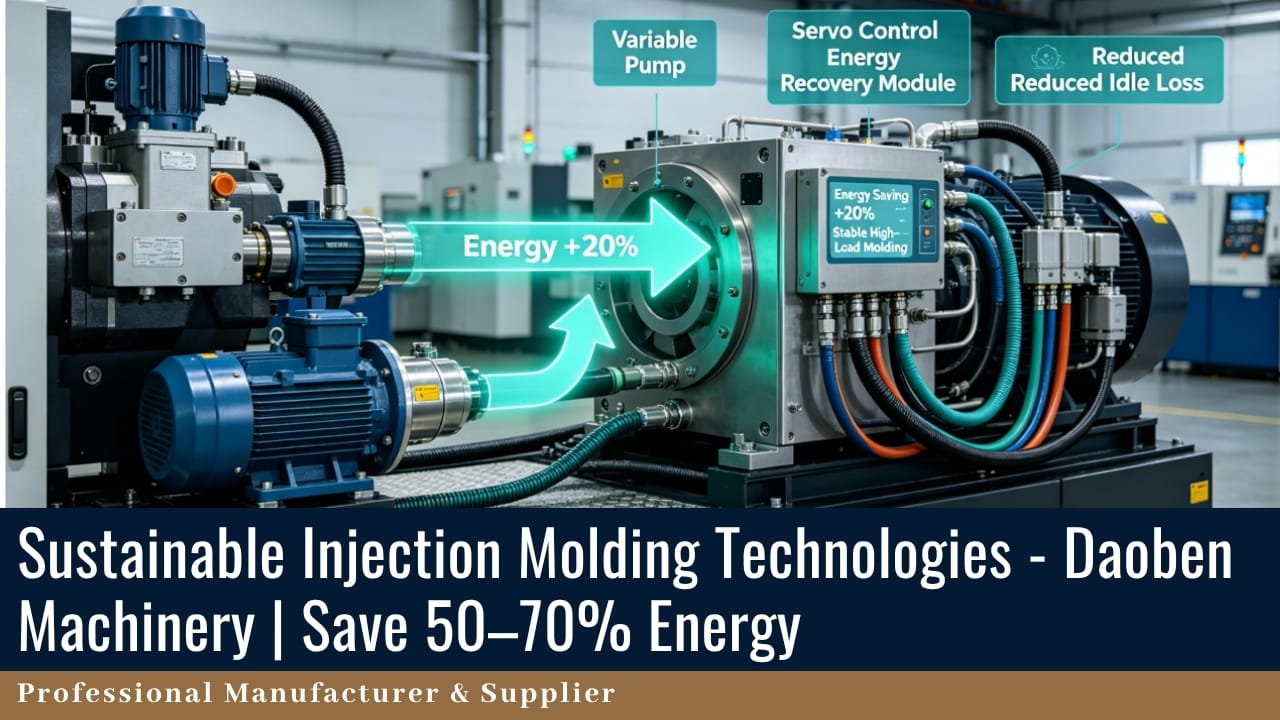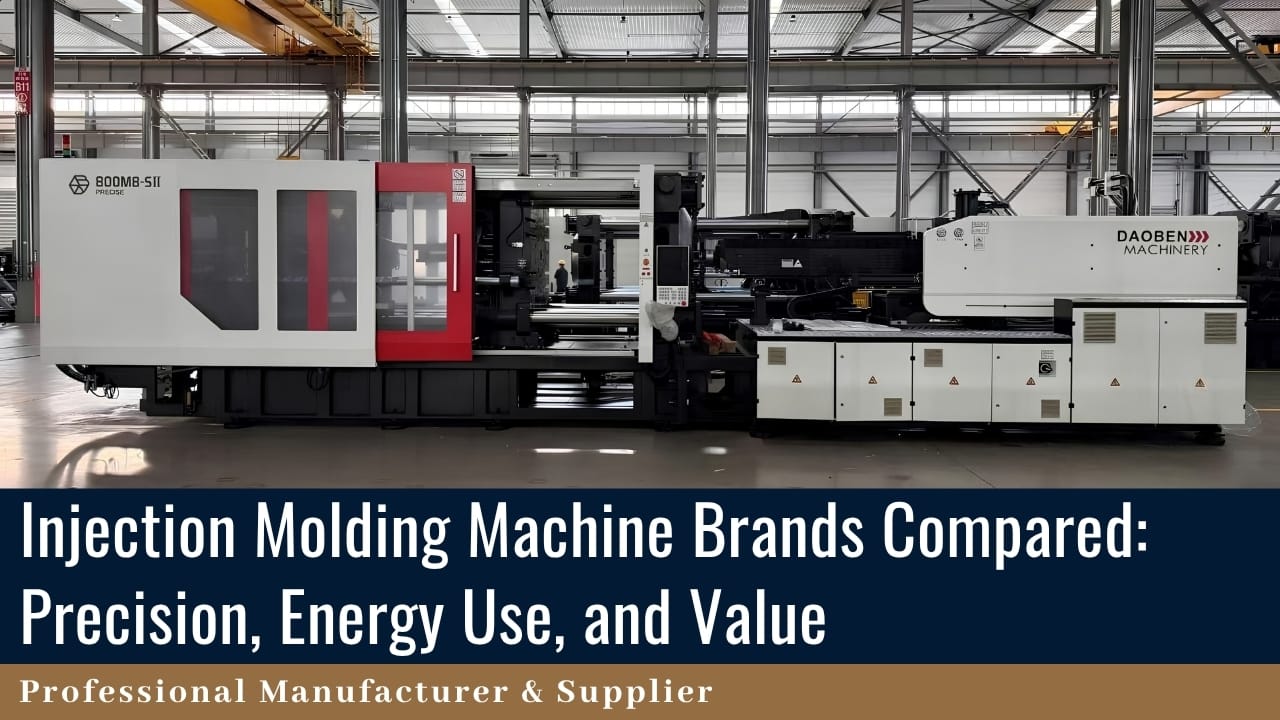
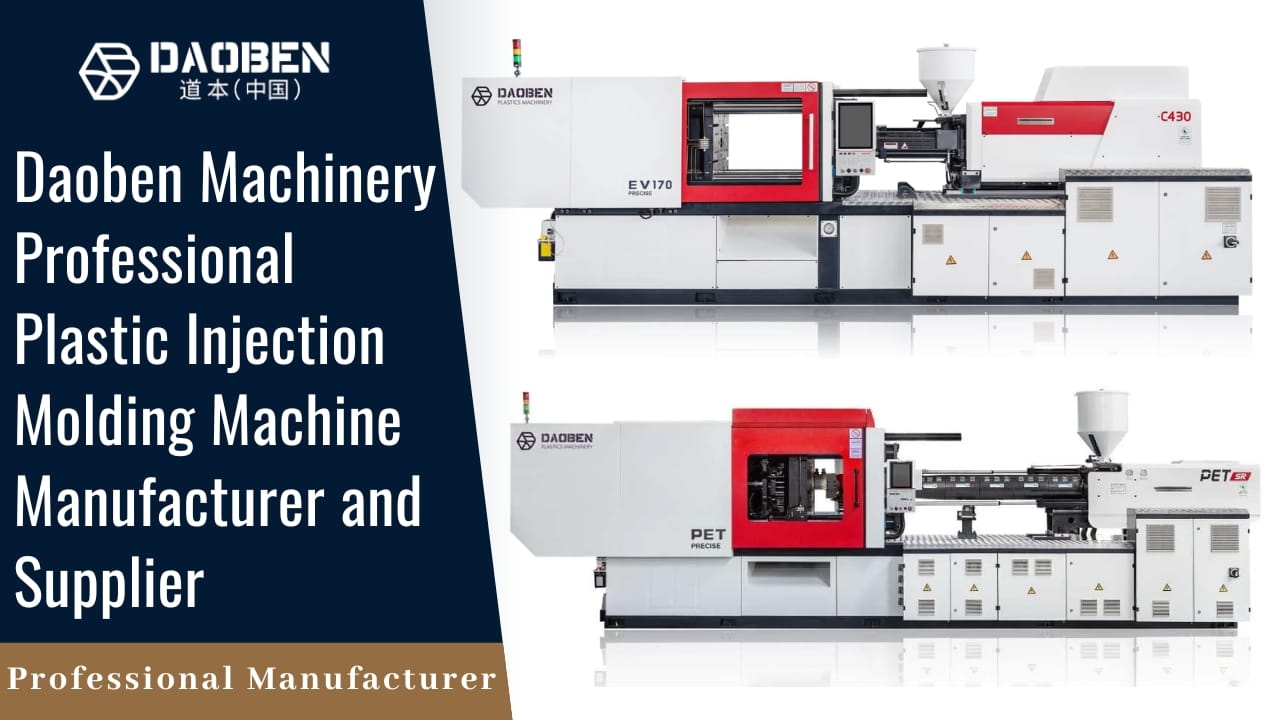
Choosing the right molding machine parts comes down to one rule: match part quality to how fast the part wears and how much downtime its failure causes. The screw, barrel, and nozzle wear first, so they deserve the best materials. Tie bars, toggles, and seals matter next. Get this order right, and your machine runs longer with fewer surprise stops.
This guide gives you a simple framework for making those choices. It is written for buyers, factory owners, procurement managers, and engineers who already know the basics of injection molding.
What are the main molding machine parts?
Molding machine parts fall into three zones: the plasticizing zone, the clamping zone, and the control zone. The plasticizing zone melts and injects plastic. The clamping zone opens and closes the mold under high force. The control zone runs the hydraulics, servo motors, and sensors that time every move.
We call this the 3-Zone Wear Map, and it is the core of this guide. Each zone fails in a different way and on a different schedule. So instead of treating every part the same, you can spend your budget where it protects uptime the most.
Here is how the main injection machine parts break down by zone.
| Zone | Key parts | Main job | How it usually fails |
|---|---|---|---|
| Plasticizing | Screw, barrel, nozzle, check ring | Melt and inject plastic | Wear, corrosion, scoring |
| Clamping | Tie bars, toggle links, platens, mold clamps | Hold the mold shut | Fatigue, bending, cracking |
| Control | Hydraulic pump, servo motor, valves, seals, sensors | Time and power each stroke | Leaks, drift, signal loss |
Every part supports the same goal: pushing molten plastic into a mold and holding it there. But each one carries a different risk. Because of that, the smart move is to rank parts by impact before you buy.
Which injection machine parts wear out first?
The screw and barrel wear out first on most injection molding machines. They handle heat, pressure, and abrasive materials all day. Next come the nozzle and check ring, then seals and hydraulic components. Tie bars and platens last the longest, but they fail hard when they do.
Here is the typical wear order, fastest to slowest:
- Screw and barrel — direct contact with hot, abrasive plastic.
- Check ring (non-return valve) — takes constant impact on every shot.
- Nozzle — heat cycling and material buildup wear it down.
- Seals and O-rings — dry out, crack, and leak over time.
- Hydraulic pump and valves — wear from pressure and contamination.
- Tie bars, toggles, and platens — slow fatigue over many years.
Glass-filled or flame-retardant plastics speed up screw and barrel wear. So if you run these materials, choose bimetallic barrels and hardened screws from the start. This one choice often doubles service life in abrasive jobs.
How do you choose the right molding machine parts?
Use the Wear-First Rule: spend the most on the parts that fail first and cause the longest downtime. Buy premium screws, barrels, and check rings. Choose reliable seals and hydraulic parts next. For slow-wearing structural parts like tie bars, match the original spec and move on.
Follow these five steps to apply the rule.
- Map your materials. Abrasive resins need hardened or bimetallic parts. Standard resins do not.
- Rank by downtime cost. A failed screw can stop a line for days. Price that risk in.
- Match tonnage and shot size. Parts must fit your machine’s clamp force and injection volume.
- Check part sourcing. Buy from the machine maker or a proven supplier, not the cheapest listing.
- Confirm material grades. Ask for hardness ratings, steel type, and coating details in writing.
This approach beats buying on price alone. A cheap screw looks like a saving until it wears out in six months and shuts your line down. Therefore, always weigh part cost against the downtime it prevents. For a fuller view of what quality machines and parts cost, see the injection molding machine price guide 2025.
Hydraulic vs. servo parts: which lasts longer?
Servo-driven parts generally last longer and run cooler than standard hydraulic parts. Servo motors reduce heat, cut energy use, and put less stress on seals and pumps. Hydraulic parts are cheaper to replace but wear faster under constant pressure. For long equipment life, servo systems win.
The table below compares the two on the points that matter for parts life.
| Factor | Hydraulic parts | Servo parts |
|---|---|---|
| Heat generated | Higher | Lower |
| Energy use | Higher | Lower (often 30–60% less) |
| Wear on seals | Faster | Slower |
| Replacement cost | Lower per part | Higher per part |
| Long-term uptime | Good | Better |
Servo and hybrid systems also protect the parts around them. Less heat means seals last longer and oil stays cleaner. Moreover, lower energy use trims your running costs every shift. To see why this matters for total cost, read this outside view on energy-efficient injection molding machines.
How often should you replace injection machine parts?
Replace injection machine parts based on service hours, not fixed dates. A screw and barrel often last 3–7 years in normal use. Seals may need changing yearly. Check rings and nozzles wear faster with abrasive plastics. Track hours and inspect on a set schedule to catch wear early.
Use this replacement guide as a starting point. Always adjust for your materials and run hours.
- Screw and barrel: inspect yearly; replace every 3–7 years.
- Check ring: inspect every few months; replace as wear shows.
- Nozzle: replace when flow or sealing drops off.
- Seals and O-rings: replace yearly or at any leak.
- Hydraulic filters: change on the maker’s schedule, no exceptions.
- Tie bars and platens: inspect during major service; rarely replaced.
Keep a simple log for each machine. Note run hours, part changes, and any faults. Over time, this record shows you the true life of every part on your floor. As a result, you can order parts before they fail instead of after.
How to make molding machine parts last longer
Good habits stretch part life more than any single upgrade. Clean, cool, and lubricate on schedule. Use the right processing temperatures. Train operators to spot early warning signs. These simple steps often add years to screws, barrels, and seals at almost no cost.
Here are the habits that matter most:
- Purge properly between material changes to protect the screw and barrel.
- Control heat. Overheating breaks down oil and seals fast.
- Keep oil clean. Contaminated oil is the top killer of hydraulic parts.
- Tighten and align the mold and platens to prevent uneven stress.
- Listen and watch. Odd noise, drift, or flash often signals worn parts.
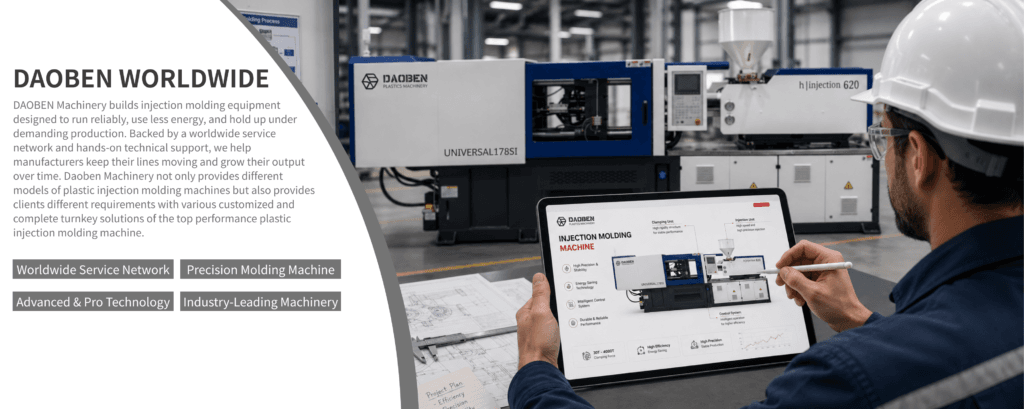
Daoben Machinery builds machines across the 30 to 4,000 ton range, so our team sees these wear patterns every day. The same rules apply whether you run a small technical molder or a plastic chair making machine. Match your parts to your materials, service on schedule, and your equipment life goes up.
Ready to compare machines and parts by budget? Check the current injection molding machine price list to plan your next purchase.
FAQ
What are molding machine parts made of? Most wear parts use hardened tool steel, often with special coatings. Screws and barrels may be bimetallic for abrasive plastics. Seals use rubber or PTFE. Structural parts like tie bars use high-strength alloy steel to handle clamp force.
Are injection machine parts interchangeable between brands? Rarely. Parts are built to each machine’s tonnage, shot size, and mounting design. Some seals and filters are standard. But screws, barrels, and check rings should match your exact machine model for safe, reliable use.
What is the most expensive molding machine part to replace? The screw and barrel set is usually the most costly wear part to replace. It also causes the most downtime. That is why buying quality here pays off, especially for abrasive or high-volume jobs.
How do I know if a molding machine part is worn? Watch for flash, short shots, color streaks, or pressure drift. Rising cycle times and odd noises are also clues. These signs often point to a worn screw, check ring, or seal that needs inspection.
Do servo parts really save money? Yes, over time. Servo systems use less energy and run cooler, which extends the life of seals, oil, and pumps. The upfront cost is higher, but lower running and repair costs usually make up the difference.