
Looking for the Right Moulding Maker? Here’s Why Daoben Machinery Is the Answer
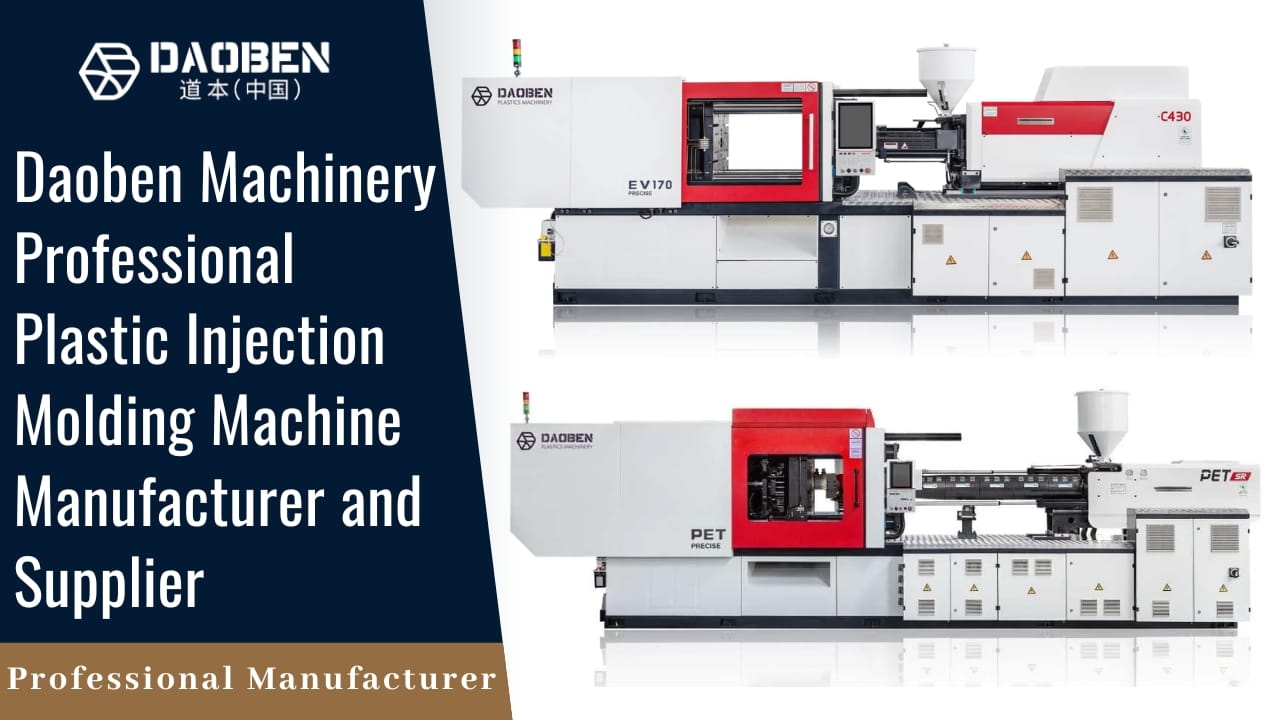
In today’s fast-paced manufacturing world, precision, efficiency, and consistency are everything. That’s where Daoben Machinery steps in — a global leader and trusted moulding maker specializing in plastic injection molding machines. With a powerful machine lineup ranging from 30 Ton to 4000 Ton, we help manufacturers across industries take their production to the next level.
Whether you’re producing compact medical devices or heavy-duty automotive panels, Daoben Machinery delivers the power and precision you need to stay competitive.
What Exactly Does a Moulding Maker Do?
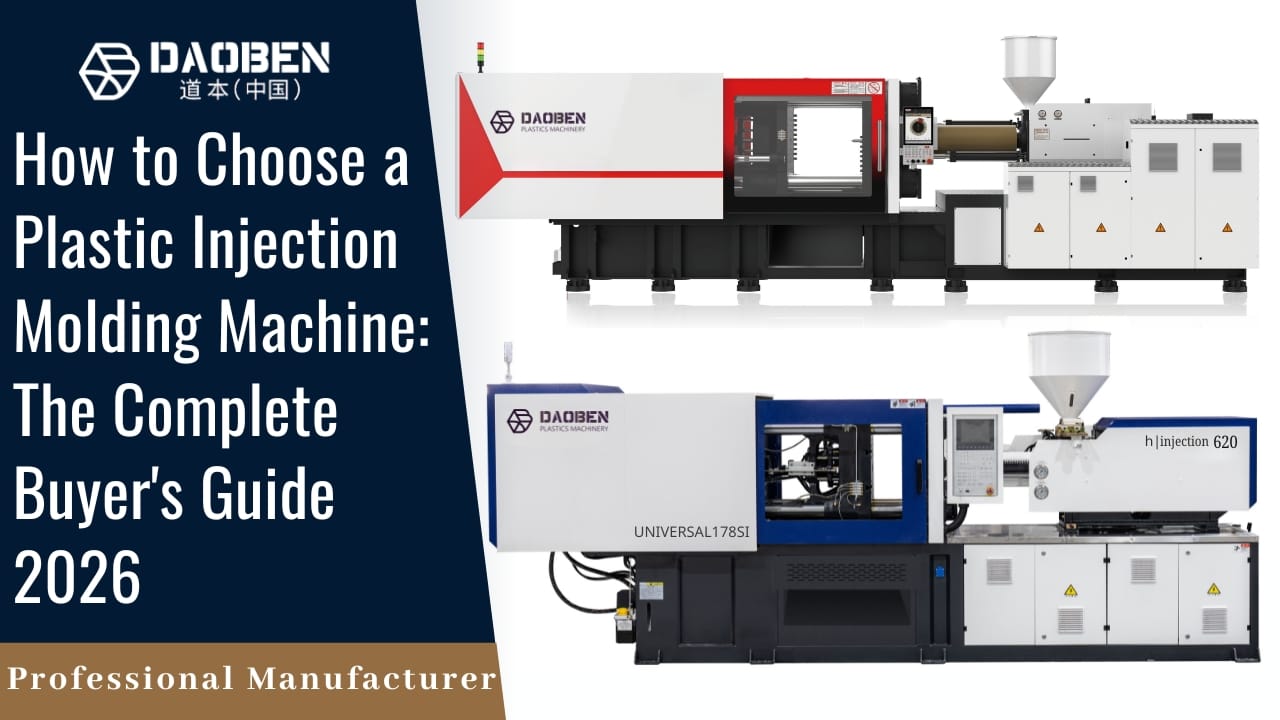
A moulding maker (not to be confused with a “mold maker”) refers to a manufacturer of molding machinery, specifically injection molding machines in this context. These machines melt plastic pellets and inject the molten material into a mold cavity to form parts with high accuracy and repeatability.
Here’s what a professional moulding maker like Daoben Machinery provides:
- Machine engineering and assembly
- Hydraulic, electric, or hybrid injection systems
- Control systems (PLC & touchscreen interfaces)
- Testing and quality control
- Customization for specific industries and applications
- Ongoing technical support and spare parts
And the result? Seamless integration into your production line and faster, cleaner, more cost-effective manufacturing.

Inside Daoben’s Injection Molding Machine Range (30T–4000T)
One size doesn’t fit all — and we get that. That’s why we offer a diverse range of tonnage options, categorized by output scale and product type.
Low Tonnage (30–250 Ton)
Ideal for precision parts and small-scale production. Industries served include:
- Medical equipment
- Electronics (USB shells, LED components)
- Consumer packaging (bottle caps, food containers)
These machines are compact, fast, and designed for repeatable precision with high output efficiency.
Medium Tonnage (300–1000 Ton)
This is the sweet spot for most industrial manufacturers. Suitable for:
- Automotive interior and exterior parts
- Household appliance housings
- Storage containers, crates, and more
This range balances power and space-efficiency, offering flexibility for mid-sized operations.
High Tonnage (1000–4000 Ton)
Built for heavy-duty, high-volume production, these giants handle:
- Bumpers, dashboards, and structural parts
- Large containers and waste bins
- Pallets, pipes, and even furniture
With robust clamping units, massive shot capacities, and hydraulic control systems, these are the machines that drive large-scale global manufacturing.

Key Features That Make Daoben a Premier Moulding Maker
Our machines aren’t just powerful — they’re smart, efficient, and built to last. Here’s a closer look at the features that set us apart:
1. Energy-Saving Servo Systems
Cut energy consumption by up to 70% without sacrificing performance, thanks to advanced servo hydraulic systems.
2. Fast Injection Speed & Cycle Time
Achieve shorter cycle times and higher throughput with optimized barrel designs and powerful servo motors.
3. User-Friendly Control Interface
Equipped with PLC or touchscreen panels, our machines are intuitive to operate with minimal training.
4. Durable and Low-Maintenance Design
We use hardened steel components, corrosion-resistant coatings, and high-grade hydraulic seals to extend machine lifespan and reduce maintenance costs.
5. Precision Molding
Precision control of temperature, pressure, and injection speed ensures consistent product quality, especially for high-tolerance components.
6. Customization Capabilities
Need a machine for a unique application? We offer customized molding machine designs, from dual injection units to special screw configurations and mold adaptors.
Serving Multiple Industries with Global Reach
We’re proud to serve clients from all over the world, helping them manufacture smarter in a variety of industries:
- Automotive: Lights, bumpers, panels, interior trims
- Medical: Surgical tools, diagnostic components, syringes
- Consumer Goods: Toys, kitchenware, plastic tools
- Electronics: Casing, battery holders, connectors
- Packaging: Bottles, caps, lids, tubs
- Agriculture: Drip irrigation parts, sprayers
- Industrial Equipment: Containers, crates, pipes
No matter what your field is — we have a machine that fits.
Why Daoben Machinery Stands Out in the Moulding Maker Market
There are plenty of injection molding machine makers out there. But here’s what makes us a game-changer in this space:
- In-house R&D: Continuous innovation backed by engineering excellence
- Customization: Tailored solutions for unique manufacturing requirements
- Factory-Direct Supply: Competitive pricing without compromising quality
- Global Shipping & Support: Installation, training, and maintenance worldwide
- High ROI: Long machine life, low operating cost, reliable performance
We’re not just another OEM — we’re a strategic partner for long-term growth.
Real Client Results
“Our previous supplier couldn’t keep up with our needs. After switching to Daoben, we’ve seen a 25% boost in production speed and virtually zero downtime.”
— Mr. Anil Kapoor, Operations Director, PlastTech India
“We needed a 2800 Ton injection machine for our automotive line. Daoben not only delivered on time but also provided on-site training. Solid machine, solid team.”
— Carlos Mendez, Plant Manager, AutoForma MX
Got a success story? We’d love to feature you!
How to Choose the Right Moulding Maker for Your Business
Selecting the right moulding maker directly impacts your production quality, operational costs, and ability to meet market demands. Whether you’re scaling up manufacturing or replacing outdated equipment, the decision requires careful evaluation of technical capabilities, business compatibility, and long-term support. Understanding the fundamentals of plastic injection molding machines helps you make more informed comparisons between manufacturers.
Assess Your Production Requirements First
Start by defining your specific molding needs. Calculate your annual production volume, typical batch sizes, and product complexity. A manufacturer producing 50,000 automotive components monthly has different requirements than one making 5,000 specialized medical parts. For high-volume consumer products, specialized equipment like plastic chair making machines demonstrates how application-specific solutions can optimize production efficiency.
Document your material specifications—whether you work with standard thermoplastics like ABS and polypropylene, or engineering-grade materials like PEEK and polycarbonate. Review your current quality rejection rates and identify recurring production issues. These pain points guide you toward makers with proven solutions for similar challenges.
Evaluate Technical Capabilities and Machine Range
Examine the maker’s machine portfolio across tonnage ranges. Reputable manufacturers offer models from 30 tons for precision components to 4,000+ tons for large automotive and industrial parts. Check their clamping systems—toggle clamp injection molding machines provide faster cycles for high-volume production, while hydraulic systems deliver precise control for thick-walled parts.
Request detailed specifications on injection pressure, screw diameter, and shot capacity. These parameters determine whether their machines can process your materials at the required quality standards. Don’t overlook auxiliary systems like temperature controllers, material dryers, and robotic integration capabilities.
Examine Manufacturing Experience and Industry Specialization
Years in business matter, but industry-specific experience matters more. A maker with 15 years in medical device molding understands cleanroom requirements and FDA compliance better than a general manufacturer with 30 years across mixed sectors. Ask for client references within your industry and request site visits to similar production facilities.
Review their quality certifications—ISO 9001 indicates consistent manufacturing processes, while industry-specific certifications like ISO 13485 for medical or IATF 16949 for automotive demonstrate specialized expertise.
Analyze After-Sales Support and Service Infrastructure
Machine downtime costs thousands per hour in lost production. Evaluate the maker’s service response times, spare parts availability, and technician expertise. Do they maintain regional service centers or rely on third-party contractors? How quickly can they deliver critical replacement components?
Request their standard warranty terms and extended service agreements. Compare preventive maintenance programs, emergency support availability, and remote diagnostic capabilities. Makers with 24/7 technical hotlines and comprehensive parts inventory minimize production disruptions.
Compare Energy Efficiency and Operating Costs
Modern servo-driven machines reduce energy consumption by 30-60% compared to older hydraulic systems. Calculate your annual energy costs based on different machine types—the upfront premium for energy-efficient equipment often pays back within 2-3 years through reduced utility bills.
Consider cycle times and material waste rates. Faster cycles increase throughput without additional equipment investment, while improved process control reduces scrap rates and material costs.
Review Technology Integration and Automation Readiness
Future-proofing your investment means choosing makers who support Industry 4.0 integration. Check whether their machines offer data connectivity, production monitoring systems, and compatibility with your existing MES or ERP platforms. Quality control automation, like in-mold sensors and vision systems, reduces manual inspection labor while improving consistency.
Evaluate their robotic integration capabilities if you plan to automate part removal, assembly, or packaging operations.
Investigate Financial Stability and Long-Term Viability
Your molding maker becomes a long-term partner—their stability affects parts availability and technical support for years ahead. Research their financial health, production capacity, and market reputation. Established makers with consistent R&D investment continue improving designs and updating control systems throughout your equipment’s lifespan.
Request information about their upgrade paths. Can you retrofit older machines with new control systems or add servo drives later? This flexibility extends equipment life and protects your capital investment.
Compare Pricing Structure and Total Cost of Ownership
Look beyond the purchase price to calculate total cost of ownership over 10-15 years. Factor in energy consumption, maintenance costs, spare parts pricing, and expected productivity. A machine costing 20% more initially but requiring 40% less energy and delivering 15% faster cycles typically offers better ROI.
Request detailed quotations including installation, training, startup assistance, and warranty coverage. Hidden costs like specialized electrical requirements or foundation modifications can significantly impact your budget. For comprehensive cost breakdowns across different machine types and tonnage ranges, refer to our plastic injection molding machine price guide.
Verify Training and Knowledge Transfer Programs
Operator skill directly affects production quality and machine longevity. Comprehensive training programs should cover machine operation, troubleshooting, routine maintenance, and mold changeovers. Does the maker provide on-site training at your facility? How many operators can they train during commissioning?
Look for ongoing educational support—online resources, refresher courses, and updated technical documentation help your team optimize processes and adapt to new production requirements.
Review Customization Options and Flexibility
Standard machines work for many applications, but specialized production often requires modifications. Discuss your unique requirements—whether that’s specific screw designs for abrasive materials, cleanroom compatibility, or integration with existing automation. Makers willing to customize designs demonstrate commitment to your success rather than pushing one-size-fits-all solutions.
Confirm their modification capabilities don’t void warranties or complicate future service and parts availability.
Request Demonstrations and Trial Production
Seeing machines operate with your actual materials and molds provides invaluable insights. Arrange factory visits to observe production processes, meet technical teams, and inspect quality control procedures. Request trial runs using your molds and materials—this validates cycle times, quality output, and ease of operation before commitment.
Compare sample parts against your specifications for dimensional accuracy, surface finish, and mechanical properties. These real-world tests reveal capabilities that specifications alone don’t capture.
FAQs
Lead times range from 30 to 60 days, depending on the tonnage and customization required.
Absolutely! We provide on-site and virtual training sessions to ensure your team can run the machine efficiently and safely.
Our machines come with a 12- to 24-month warranty, depending on the model. Extended warranties and service packages are also available.
Yes — we maintain a robust inventory and offer global shipping for all essential components.
Daoben Machinery— More Than Just a Moulding Maker
In a world where manufacturing is evolving faster than ever, having the right partner by your side makes all the difference. At Daoben Machinery, we’re not just providing machines — we’re empowering innovation, optimizing production, and building partnerships that last.
So if you’re searching for a reliable, high-performing, and customer-focused moulding maker — your search ends here.