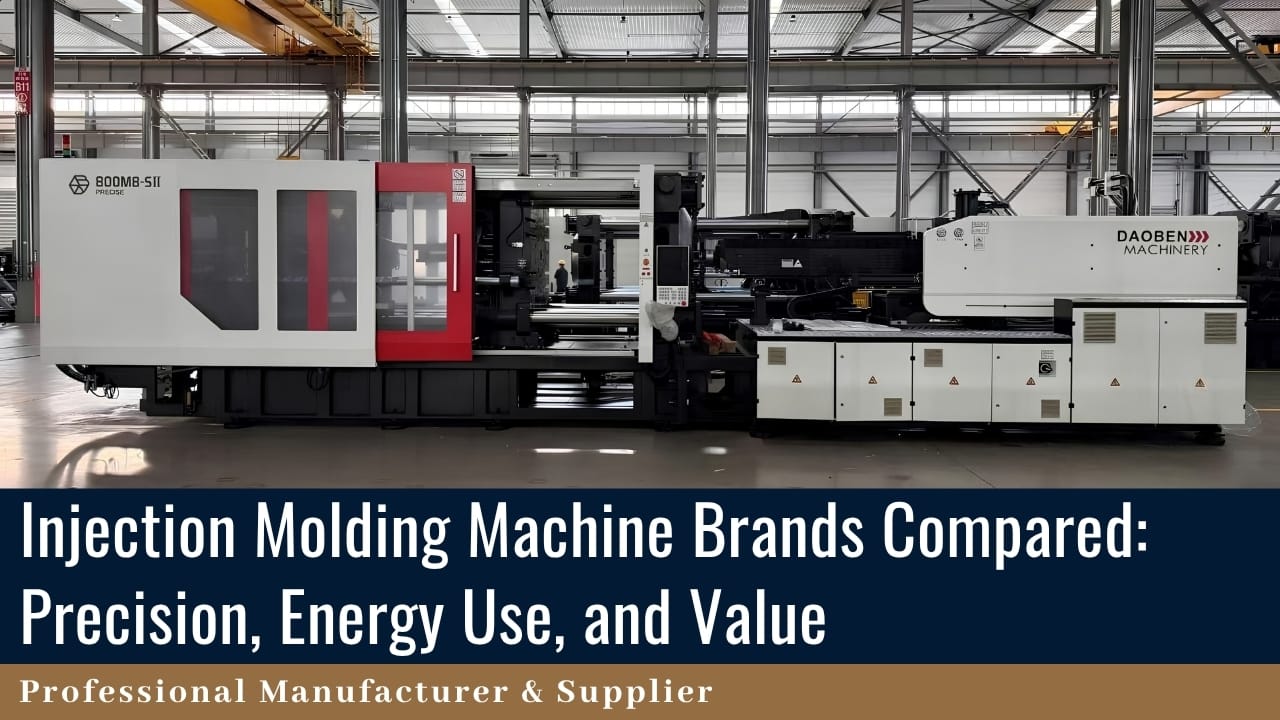
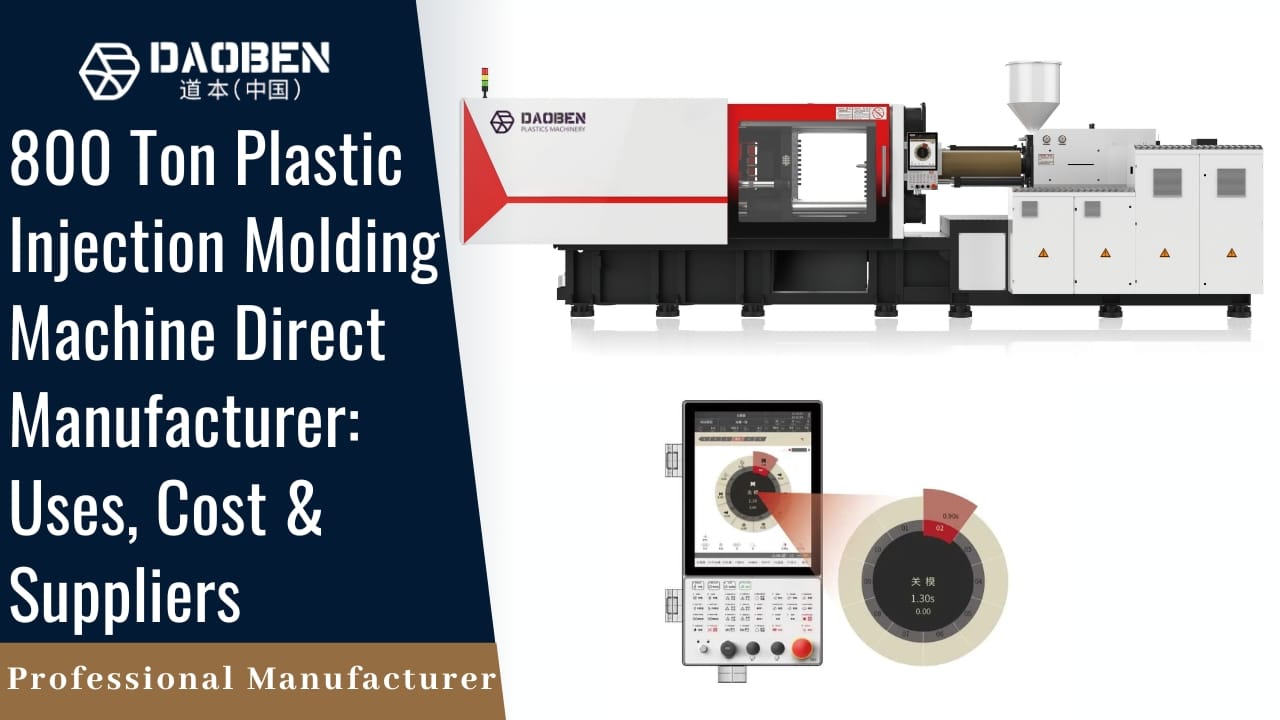
An 800 ton injection molding machine sits in the mid-to-large tonnage class. It can clamp molds under roughly 8,000 kN of force, which is enough pressure to shape car bumpers, industrial pallets, and washing machine tubs in one shot. Factories running high-cavity molds or big single-cavity parts often step up to this size after outgrowing 500 or 650 ton units.
Global demand for machines in this range has grown as automakers, packaging suppliers, and household goods brands scale up production. Buyers usually compare hydraulic, hybrid, and full-electric models before choosing. Each design has trade-offs in energy use, precision, and upfront cost.
This guide breaks down what the machine does, which parts it makes, how much it costs, and how to pick a supplier. Every figure below reflects current market ranges from Chinese and European builders.
Quick Answer: An 800 ton injection molding machine is a plastic molding machine with about 8,000 kN of clamping force. It produces large parts such as car bumpers, industrial pallets, appliance shells, and thick-walled containers weighing 500 to 2,500 grams. Prices run from roughly $45,000 to $180,000 depending on drive type, screw size, and country of origin.
What Is an 800 Ton Injection Molding Machine?
An 800 ton injection molding machine is a plastic molding machine rated to hold molds shut with 800 metric tons of clamping force. That equals about 8,000 kN. Machines in this class typically use screw diameters between 60 mm and 90 mm, with shot weights ranging from 900 g to 2,800 g in polystyrene.
The tonnage number reflects clamping force, not machine weight. Clamping force must exceed the injection pressure spread across the projected area of the part. As a rough rule, engineers count 4 to 6 tons of clamp per square inch of projected area. So an 800 ton machine handles parts up to about 200 square inches of projected surface.
Key Specifications Buyers Should Check
Tonnage alone does not tell the full story. Screw diameter, injection speed, and platen size also matter. A larger screw increases shot volume but lowers injection pressure. Smaller screws inject faster but hold less material per cycle.
Platen dimensions decide the maximum mold size. Most 800 ton machines have platens between 1,100 mm and 1,300 mm on each side. Tie-bar spacing usually falls between 810 mm and 950 mm. These figures set hard limits on the molds you can fit.
Drive Systems and Energy Use
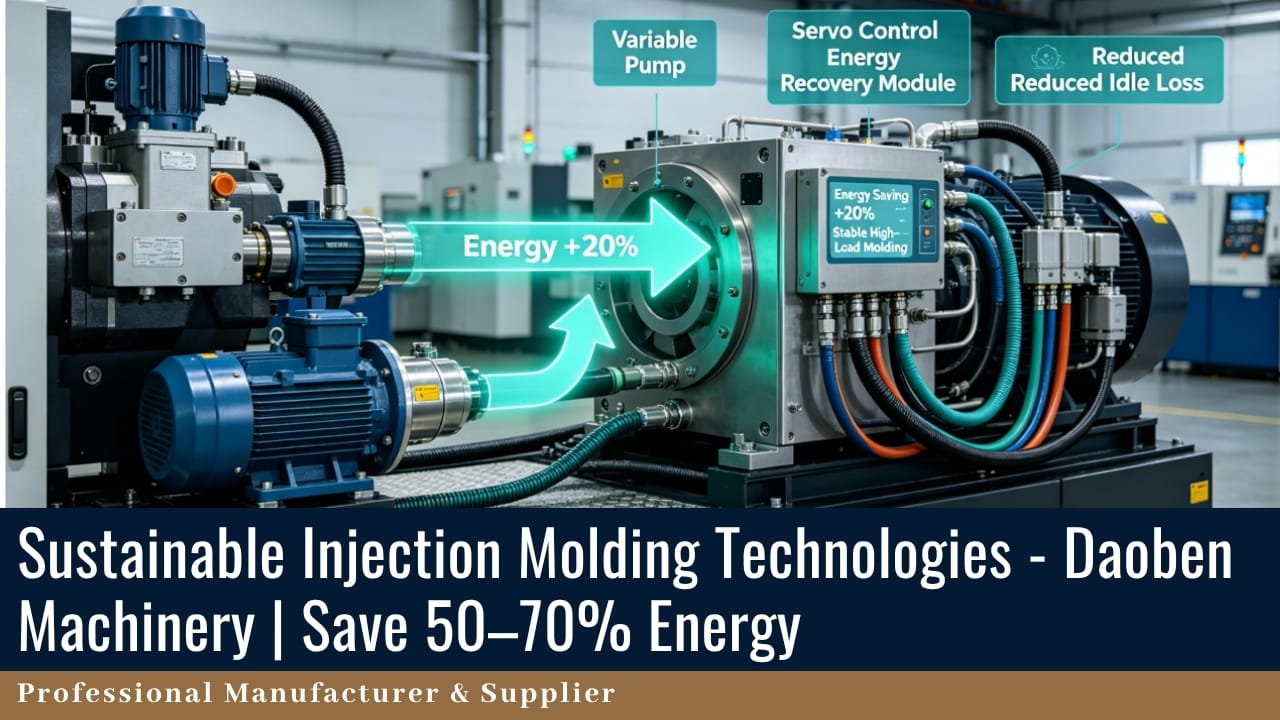
Traditional hydraulic units run steady but pull more electricity. Servo-hydraulic and hybrid systems cut energy use by 30% to 60% depending on the cycle. Full-electric machines above 800 tons remain rare because of cost, but they offer the best shot repeatability. According to a recent report on energy-efficient injection molding trends, buyers now factor lifetime energy cost into every purchase decision.
Common Parts Made on an 800 Ton Injection Molding Machine
An 800 ton press produces large, thick-walled, or high-cavity plastic parts. Common examples include automotive bumpers, dashboards, and door panels; industrial pallets and stacking crates; washing machine outer tubs; office chair seat pans; and 20 to 40 liter storage bins. The size fits parts weighing between 500 g and 2,500 g.
Automotive Applications
Cars remain the biggest driver of demand in this tonnage class. A front bumper fascia often needs 700 to 1,000 tons because of its large projected area, even though the wall is thin. Interior trim, glove box lids, and battery housings for electric vehicles also sit in this range. Factories serving Tier 1 and Tier 2 suppliers can review our page on injection molding for automotive parts for real project examples.
Packaging, Appliances, and Consumer Goods
Industrial packaging is the second-largest sector. Pallets, tote bins, and IBC lids all need clamping force between 600 and 1,000 tons. Appliances like washing machines, air conditioner covers, and vacuum cleaner bodies also use 800 ton units. Furniture makers rely on this class for plastic chair shells and table tops.
800 Ton Injection Molding Machine Cost and Price Factors
An 800 ton injection molding machine costs between $45,000 and $180,000 in 2025. Chinese-made hydraulic models start near $45,000 to $70,000. Servo-hydraulic versions run $75,000 to $110,000. European brands such as Engel or Arburg start above $150,000 for comparable specs. Shipping, installation, and import duties add another 10% to 25%.
Prices shift with steel costs, servo motor supply, and freight rates. For a broader view of pricing trends, see our plastic injection molding machine price guide for 2025.
What Drives the Final Quote
Several factors push the price up or down. Drive type is the biggest lever. A servo pump adds $8,000 to $15,000 but pays back through lower power bills. Larger screws, wider platens, and extended tie-bar spacing also raise the base price.
Options like PLC brand (Keba, B&R, or Siemens), robot mounting plates, and mold temperature controllers add to the total. Buyers should also budget for spare parts. A basic spare kit for an 800 ton machine costs $2,000 to $5,000. Freight from China to Europe or North America runs $4,500 to $8,000 by container.
Region and Currency Effects
Chinese builders like Haitian, Yizumi, Borche, and Daoben quote in USD and offer the lowest base prices. Turkish and Indian makers sit in the middle. European and Japanese brands cost two to three times more but include broader service networks. Exchange rates on the yuan and euro also swing the final number by 5% to 10% year over year.
Hydraulic, Hybrid, or Electric: Which 800 Ton Machine Fits Best?
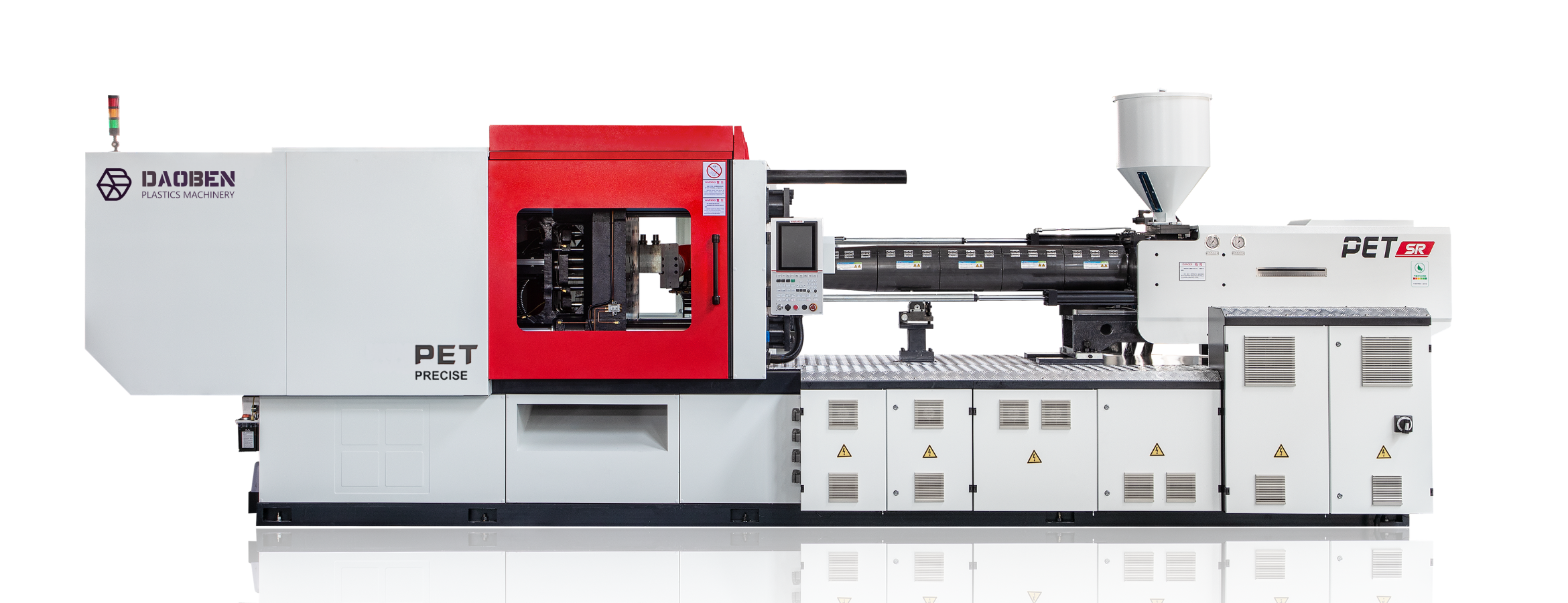
Most 800 ton buyers pick between hydraulic and hybrid drives. Hydraulic machines cost less upfront and handle thick-walled parts well. Hybrid and servo-hydraulic models cut power use by 30% to 60% and improve shot consistency. Full-electric units above 800 tons stay uncommon but deliver the best repeatability and cleanest operation.
For a deeper breakdown, read our comparison on electric versus hydraulic injection molding machines.
| Feature | Hydraulic | Servo-Hydraulic / Hybrid | Full Electric |
|---|---|---|---|
| Typical price (800T) | $45,000 – $75,000 | $75,000 – $130,000 | $200,000+ |
| Energy use per kg resin | 0.9 – 1.2 kWh | 0.4 – 0.7 kWh | 0.3 – 0.5 kWh |
| Shot repeatability | ±1.5% | ±0.8% | ±0.3% |
| Noise level | 78 – 85 dB | 68 – 74 dB | 60 – 65 dB |
| Best for | Thick parts, low-cost runs | Mixed production, energy savings | Precision parts, cleanroom |
| Maintenance load | Higher (oil, seals) | Moderate | Low |
When Hydraulic Still Makes Sense
Hydraulic units remain the default for heavy-wall packaging, pallets, and low-mix production. They handle glass-filled resins and abrasive materials without stress. Oil-based systems also cost less to repair in regions with limited electrical technicians.
Why Hybrid Wins for Most Buyers
Hybrid designs have taken over the mid-tonnage class since 2020. Servo pumps only run when the machine needs pressure, which lowers idle power draw. Payback on the extra cost usually falls between 18 and 30 months at industrial electricity rates. For factories running two or three shifts, the savings compound quickly.
How to Choose the Right 800 Ton Injection Molding Machine Manufacturer
Picking a molding machine manufacturer takes more than comparing spec sheets. Buyers should check ISO 9001 certification, CE or EUROMAP compliance, on-site service coverage, spare parts availability, and warranty terms. Reference customers in your industry also matter. A supplier with proven automotive or packaging clients will understand your cycle time and part quality demands.
Certifications and Standards That Matter
Look for ISO 9001 for quality management and CE marking for European market entry. EUROMAP interface standards cover machine communication, safety, and robot mounting. Machines shipped to the EU must meet the Machinery Directive 2006/42/EC. In North America, UL and CSA electrical listings apply.
Service, Spare Parts, and Warranty
A cheap machine with no support becomes expensive fast. Ask about warranty length, which typically runs 12 to 24 months on the machine and 6 to 12 months on servo motors. Confirm that spare screws, barrels, and control boards are stocked locally or ship within 7 days. Remote diagnostics through Ethernet or 4G modules also speed up repairs.
Notable Global Manufacturers
The market includes both large multinationals and specialist Chinese builders. Engel, Arburg, KraussMaffei, and Sumitomo Demag lead the premium tier. Haitian, Yizumi, Borche, and Chen Hsong dominate volume production from China. Daoben Machinery serves buyers looking for 30 to 4,000 ton machines with tailored specs and competitive pricing. Learn more on our injection molding machine manufacturer and supplier page.
Frequently Asked Questions
What can you produce with an 800 ton injection molding machine?
An 800 ton injection molding machine produces large plastic parts such as automotive bumpers, dashboards, industrial pallets, appliance shells, and 20 to 40 liter storage bins. Typical part weights range from 500 g to 2,500 g. High-cavity molds for smaller items also run well when the total projected area fits inside the clamp force limit.
How much does an 800 ton injection molding machine cost in 2025?
An 800 ton injection molding machine costs between $45,000 and $180,000 depending on drive type, screw size, and origin. Chinese hydraulic models start near $45,000. Servo-hybrid versions from Asia run $75,000 to $130,000. European brands like Engel or KraussMaffei start above $150,000 for the same tonnage.
Is a hybrid or hydraulic 800 ton machine better for energy costs?
A servo-hybrid 800 ton injection molding machine cuts power use by 30% to 60% compared to a standard hydraulic unit. Servo pumps only draw current when the cycle needs pressure. Most buyers running two or three shifts recover the extra cost in 18 to 30 months through lower electricity bills.
What mold size fits an 800 ton machine?
An 800 ton injection molding machine typically accepts molds with tie-bar spacing between 810 mm and 950 mm. Platen dimensions run 1,100 mm to 1,300 mm on each side. Minimum mold height sits around 350 mm, and maximum daylight opens to about 1,200 mm. Always confirm exact numbers on the supplier’s spec sheet.
How long does an 800 ton injection molding machine last?
A well-maintained 800 ton injection molding machine lasts 15 to 25 years. Hydraulic units may need pump and seal service every 8,000 to 12,000 hours. Servo motors on hybrid models typically run 40,000 hours before major service. Screw and barrel wear depends on resin type and glass-fiber content.
Who are the top 800 ton injection molding machine manufacturers?
Top 800 ton injection molding machine manufacturers include Haitian, Yizumi, Borche, and Daoben Machinery from China, plus Engel, Arburg, KraussMaffei, and Sumitomo Demag from Europe and Japan. Chinese builders lead on price and lead time. European brands lead on precision, service networks, and premium automotive contracts.
Making the Right Call on Your Next 800 Ton Injection Molding Machine
Choosing an 800 ton injection molding machine comes down to matching part size, cycle demands, and energy budget to the right drive system. Hydraulic units still win on price and simplicity. Hybrid and servo models pay back on power savings within two to three years. Full-electric options fit tight-tolerance work but rarely make sense at this tonnage.
Reference customers, spare parts stock, and warranty terms often matter more than a lower quote. A supplier that ships fast, answers technical questions, and stocks common parts will save your team weeks of downtime over the life of the machine.
Daoben Machinery builds plastic molding machines from 30 to 4,000 tons, including customized 800 ton units for automotive, packaging, and appliance production. To discuss specifications, mold fit, or pricing, visit our injection molding machine manufacturer page and send your project details.