Export buyers shortlisting a mid-tonnage press almost always land on three names: Daoben, Haitian, and Yizumi. Each builds solid machines in the 250 to 1,000 ton range. Each ships to Asia, the Middle East, Europe, and Latin America. So the real question is not who makes a good machine, because all three do. The question is which one fits your parts, your budget, and your after-sales needs.
This injection molding machine comparison puts the three brands side by side on the factors that actually decide a purchase: clamping force, drive type, controls, energy use, price, lead time, and export support. The global injection molding machine market reached about USD 17.3 billion in 2025, with Asia Pacific holding the largest regional share. That scale gives buyers plenty of choice, and plenty of room for confusion.
We keep the focus on mid-tonnage machines because that band covers most export orders: crates, buckets, auto trim, thin-wall packaging, and housings.
By the end, you will know how the three brands differ, which specs matter most, and what to confirm before you sign.
Quick Answer: In a mid-tonnage injection molding machine comparison, Haitian offers the widest availability and shortest lead times, Yizumi leads on control precision, and Daoben gives the best price-to-spec value with direct export support. Buyers making standard or thick-wall parts often choose Daoben, while tight-tolerance work tends to favor Yizumi.
What Counts as a Mid-Tonnage Injection Molding Machine?
A mid-tonnage injection molding machine uses a clamping force between roughly 250 and 1,000 tons. This range molds medium parts like storage crates, pallets, pipe fittings, and appliance housings. Below 250 tons, machines handle small precision parts. Above 1,000 tons, they mold bumpers, large bins, and industrial pallets. Mid-tonnage is the busiest export segment.
Clamping force is the pressure that holds the mold shut while molten plastic fills it. More tons mean bigger parts or higher injection pressure. A 500-ton press covers a wide slice of everyday products, which is why it sells in high volume around the world.
Most buyers in this range compare hydraulic, servo-hydraulic, and hybrid drives. If you are weighing raw power against running cost, our guide on electric vs hydraulic injection molding machines breaks down the trade-offs in plain terms.
Daoben vs Haitian vs Yizumi: The Core Injection Molding Machine Comparison
This injection molding machine comparison comes down to three strengths. Haitian wins on scale and global service. Yizumi wins on control precision and repeatability. Daoben wins on price, build flexibility, and hands-on export support. All three offer servo-hydraulic drives in the mid-tonnage band, so the split is about fit, not raw capability.
| Factor | Daoben | Haitian | Yizumi |
|---|---|---|---|
| Origin | Ningbo, China | Ningbo, China | Foshan, China |
| Full tonnage range | 30–4,000 tons | ~60–4,500 tons | ~65–3,500 tons |
| Mid-tonnage flagship | M-series servo-hydraulic | Mars (MA5) servo-hydraulic | A5 servo-hydraulic |
| Two-platen line | DU two-platen | Jupiter (JU) | DP / D1 |
| Controls | Servo control, keypad interface | Haitian control system | KEBA (Austria) |
| Energy claim vs standard hydraulic | Servo-hydraulic, energy-saving | 20–40% (MA5) | 30–80% (A5) |
| Global install base | Fastest Growing | Largest by volume | Large |
| Best fit | Value builds, standard and thick parts | Fast delivery, proven volume | Tight-tolerance precision parts |
Haitian: Scale and Availability
Haitian International is widely regarded as the world’s largest maker of injection molding machines by unit volume. Its Mars series, first launched in 2006, became the best-selling hydraulic press line globally, with hundreds of thousands of units sold. The current MA5 generation is servo-hydraulic and claims 20 to 40% energy savings. For larger parts, the two-platen Jupiter (JU) line reaches into the thousands of tons, as detailed in Plastics Technology’s coverage of Haitian’s economy MA and JU models.
Haitian’s real edge is availability. High production volume means shorter lead times and a dense dealer network. So if you need a proven 500-ton press quickly, Haitian is hard to beat.
Yizumi: Precision and Controls
Yizumi, based in Foshan, China, built its name on control accuracy. Its A5 servo-hydraulic series spans roughly 65 to 1,125 US tons, which sits squarely in mid-tonnage, and uses Austrian-made KEBA controllers for tight, repeatable cycles. The brand is known for strong part-to-part weight consistency. In 2025, Yizumi also partnered with KUKA Robotics to add AI-driven automation to its lines.
That precision suits medical housings, connectors, and thin-wall packaging, where tolerances are tight and scrap is costly.
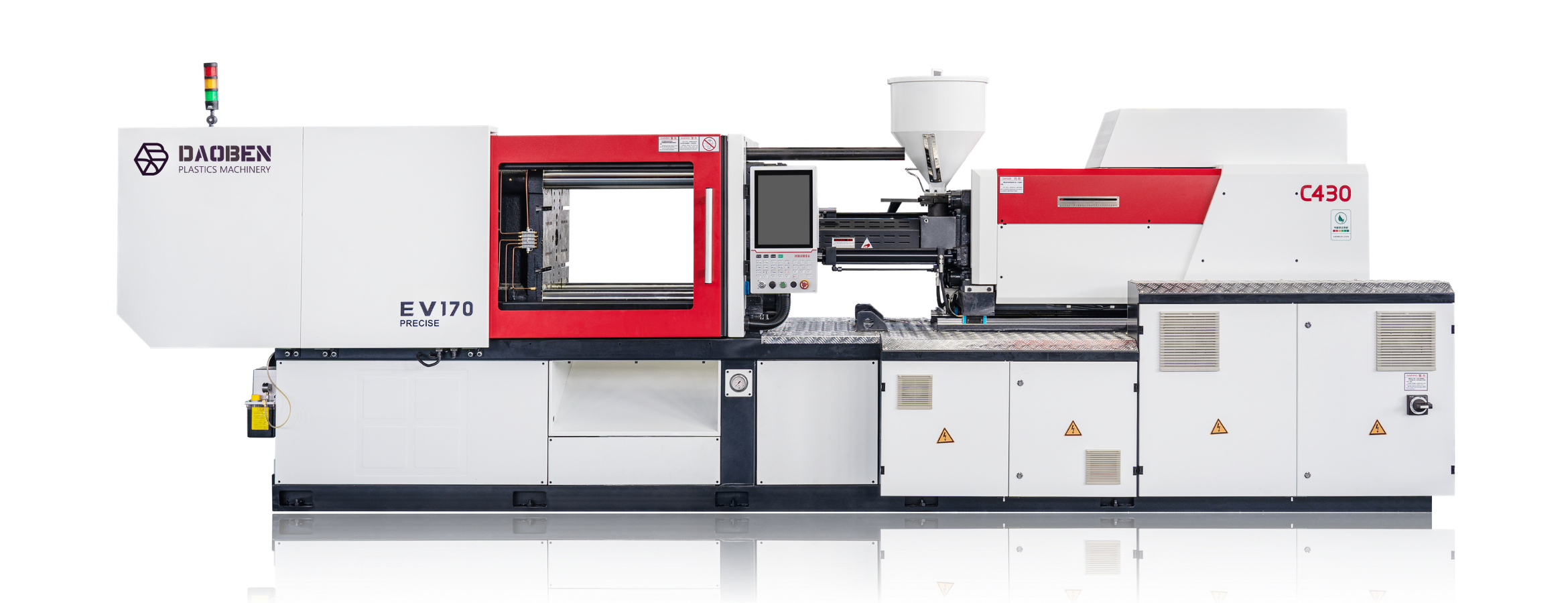
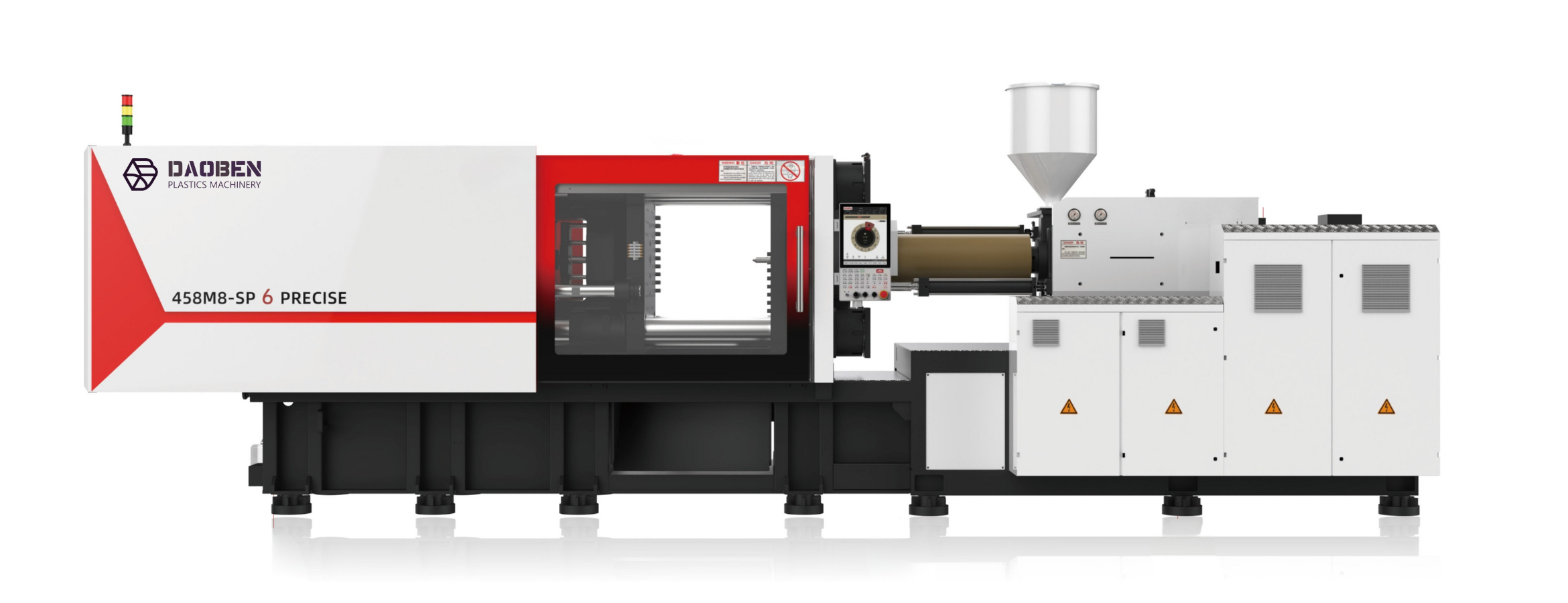
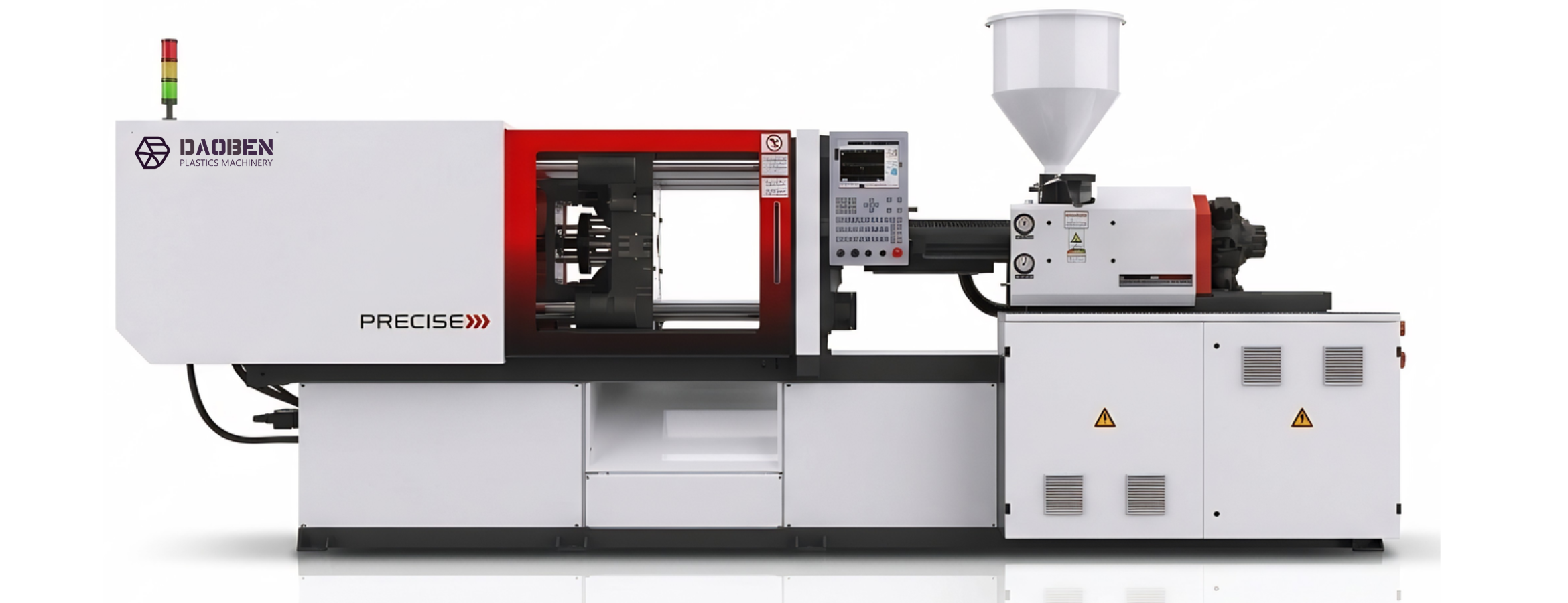
Daoben: Price, Flexibility, and Export Support
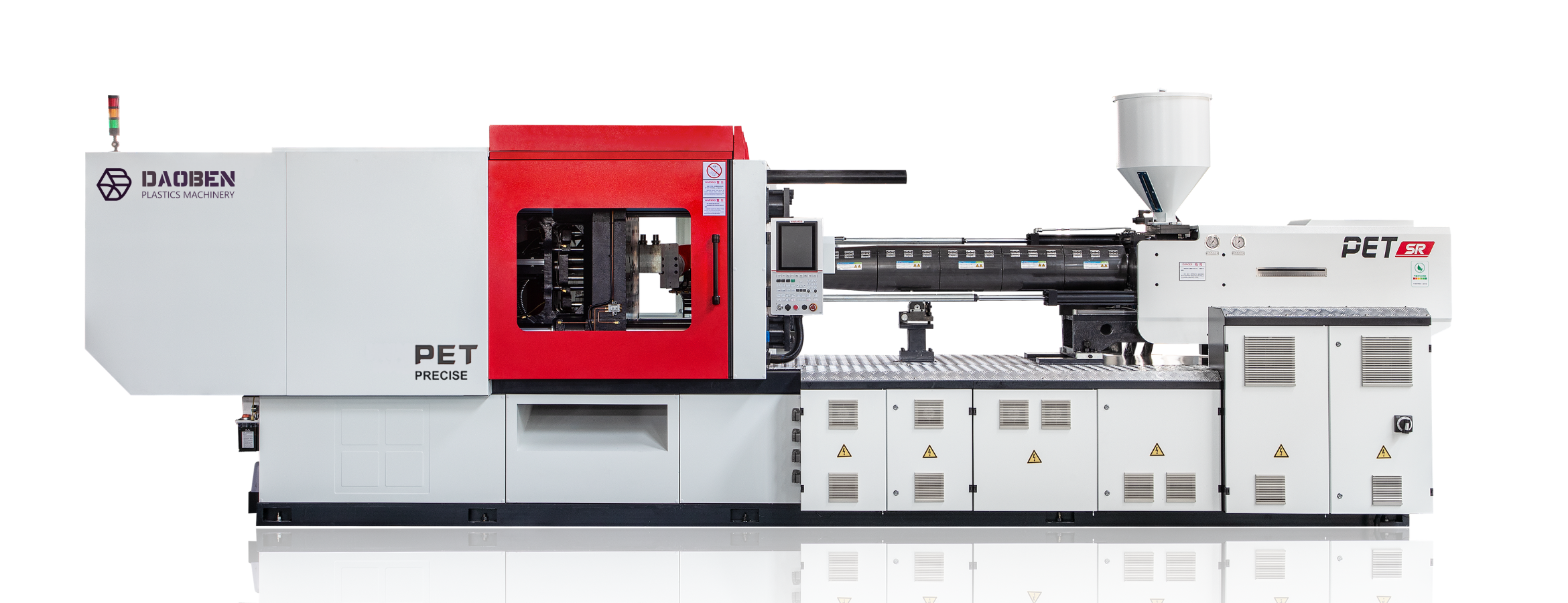
Daoben Machinery builds injection molding machines from 30 to 4,000 tons, which covers the full mid-tonnage band and well beyond. As a direct plastic injection molding machine manufacturer, Daoben sells factory-direct, so prices stay lower than dealer-based brands. Buyers also get flexible builds, with screw size, tie-bar spacing, and voltage set for the destination country.
For export orders, that flexibility matters. Daoben configures machines for local voltage and standards, then supports buyers directly on installation and spare parts.
How to Read Specs in an Injection Molding Machine Comparison
Reading specs in an injection molding machine comparison means checking five numbers: clamping force (tons), shot size (grams or ounces), injection pressure (bar), tie-bar spacing (mm), and drive type. Match these to your part weight, wall thickness, and mold size. A cheaper machine with the wrong shot size wastes money every cycle.
Clamping Force and Shot Size
Clamping force must beat the pressure your part creates inside the mold. A common rule is 2 to 5 tons of clamp per square inch of projected part area. Shot size is the most plastic the machine can inject in one cycle. So if your part weighs 300 grams, you want a shot capacity comfortably above that number, not right at the edge.
Energy: Servo-Hydraulic vs Standard Hydraulic
Servo-hydraulic drives cut power use by adjusting pump output to real-time demand. Haitian rates its MA5 at 20 to 40% savings, while Yizumi rates its A5 at 30 to 80% versus standard hydraulics. Over a two-shift day, that gap moves your cost per part. In fact, automated and energy-tuned presses can cut per-unit production costs noticeably at volume.
What Export Buyers Should Check Before Signing
Before signing, export buyers should confirm five things: voltage and frequency match, certification (CE, ISO, Euromap), spare-parts availability, lead time, and warranty terms. A machine that fits your parts still fails you if it arrives with the wrong voltage or a six-month wait for a replacement screw.
Certification and Standards
Machines shipped to Europe need CE marking. Many buyers also ask for ISO 9001 quality management and Euromap interface standards, which set common mold and robot mounting patterns. Confirm all of these in writing. A maker that builds to Euromap makes it far easier to add robots or new molds later.
Lead Time, Spare Parts, and Support
Lead times run from a few weeks to several months, depending on stock. Ask where spare screws, barrels, and control boards ship from, and how fast. Also confirm who handles installation and commissioning. Factory-direct sellers like Daoben often quote clearer timelines than multi-layer dealer chains. Budget matters too, and our injection molding machine price guide for 2025 shows how specs move the final quote.
Which Brand Fits Your Plant?
Choose Haitian for fast delivery and a proven high-volume workhorse. Yizumi for precision parts with tight tolerances. Choose Daoben for the best price-to-spec value, flexible export builds, and direct factory support. Your part type, order timeline, and budget decide the winner far more than the brand name on the frame.
A crate or bucket producer running standard resin does not need premium controls. Here Daoben’s value build and flexible configuration win easily. For a crate line in particular, our plastic crate mould machine guide covers sizing and tonnage.
A medical or electronics molder chasing tight tolerances may pay more for Yizumi’s KEBA control precision. Meanwhile, a high-volume packaging plant that cannot risk downtime may value Haitian’s fast parts network above all else.
In short, there is no single best injection moulding mc for every plant. There is only the best fit for your parts and your market.
Frequently Asked Questions
Which injection molding machine is best for export buyers?
No single brand wins every injection molding machine comparison. Haitian suits buyers who need fast delivery and proven volume. Yizumi fits precision work with tight tolerances. Daoben offers the strongest price-to-spec value, plus flexible export builds and direct support. Match the machine to your part type, order size, and budget.
What tonnage do I need for a mid-tonnage machine?
Mid-tonnage covers roughly 250 to 1,000 tons of clamping force. Pick tonnage based on your part’s projected area, about 2 to 5 tons per square inch. A 500-ton press handles most crates, buckets, and housings. Oversizing wastes energy, while undersizing causes flash and short shots.
Are Chinese injection molding machines reliable for export?
Yes. Brands like Daoben, Haitian, and Yizumi supply buyers across Europe, the Middle East, and Latin America. Many carry CE and ISO 9001 certification and build to Euromap standards. Reliability depends more on drive type, controls, and after-sales support than on country of origin.
How much does a mid-tonnage IMM machine cost?
A mid-tonnage IMM machine (injection molding machine) usually costs less from a factory-direct maker than from a dealer. Price depends on tonnage, drive type, controls, and shot size. A servo-hydraulic 500-ton press varies widely by spec, so a written quote beats a rough estimate every time.
What is the difference between Daoben, Haitian, and Yizumi?
In this injection molding machine comparison, Haitian leads on scale and lead time, Yizumi on control precision, and Daoben on price and export flexibility. All three build servo-hydraulic mid-tonnage presses. The real difference shows up in controls, energy claims, delivery speed, and how directly you deal with the maker.
Do I need a servo-hydraulic machine?
For most mid-tonnage export work, yes. Servo-hydraulic drives cut energy use by matching pump output to demand, saving 20% to 80% versus standard hydraulics depending on the model. Over two shifts, that lowers your cost per part. Standard hydraulics still suit low-volume or budget-first buyers.
The Right Machine Choice Pays Off for Years
A press runs for a decade or more. That makes an injection molding machine comparison worth doing carefully, not quickly. The gap between these brands is rarely about who builds a good machine, because Daoben, Haitian, and Yizumi all do. It is about which one matches your parts, your voltage, your timeline, and your support needs.
Buyers who focus on price alone often overpay later in energy and downtime. Buyers who chase only a brand name sometimes pay for controls they never use. The smart path sits in the middle: match specs to parts, confirm certification and support, then compare real quotes side by side.
Daoben builds mid-tonnage machines from 30 to 4,000 tons, tuned for the destination market and sold factory-direct. As a plastic molding machine manufacturer that handles export orders directly, we can size the right press for your parts and give you a clear, honest quote to start your shortlist.