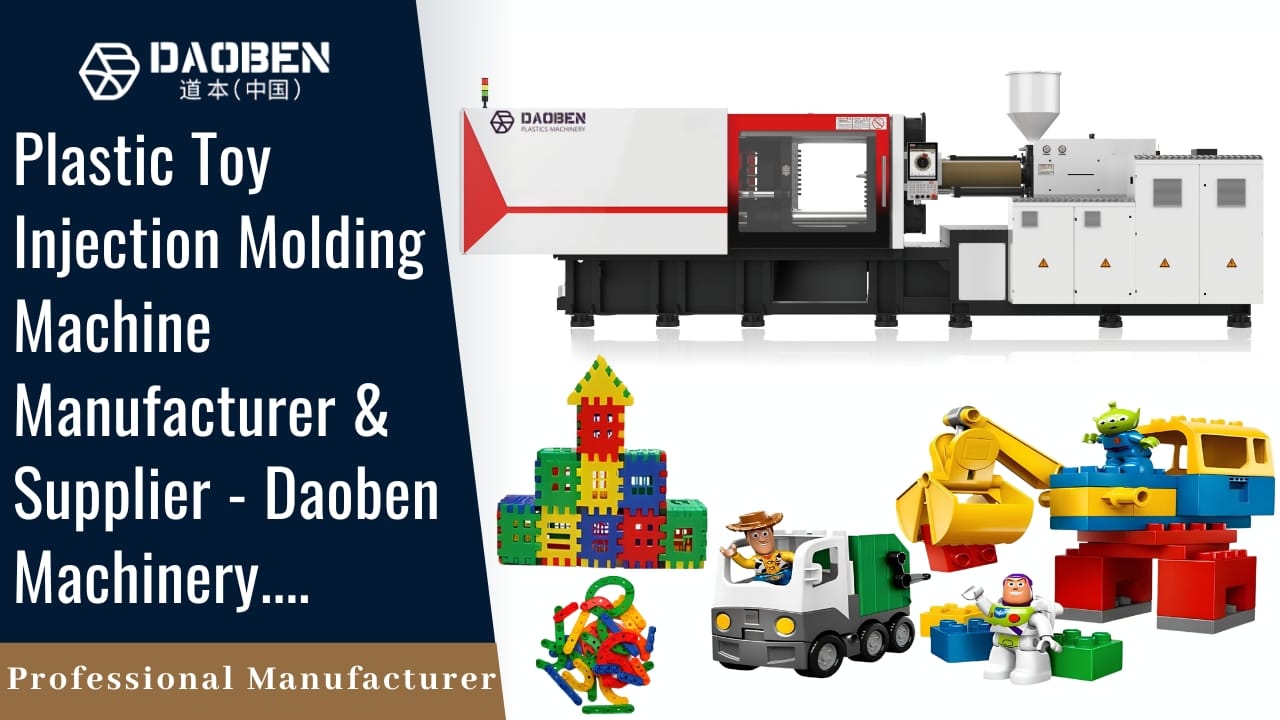
A single plastic toy injection molding machine can produce a full mold of building blocks in under 20 seconds. That speed is why nearly every plastic toy you’ve held — from stacking rings to action figures — started as molten resin shot into a steel mold under thousands of pounds of pressure.
Toy production has its own rules. Machines must run bright, frequent color changes. They have to meet strict child-safety standards. And they need enough clamping force to fill detailed molds without flash or short shots.
Getting the tonnage wrong wastes money. Too small, and parts come out incomplete. Too large, and you pay for power and floor space you never use. Safety and color flexibility matter just as much, because toys face tighter rules than most plastic goods.
Daoben Machinery builds injection molding machines from 30 to 4,000 tons, so we see these trade-offs every day. This article breaks down how to size a toy molding machine, which safety standards apply, and how to handle fast color changes on the shop floor.
Quick Answer: A plastic toy injection molding machine melts plastic resin and injects it into a steel mold to form toy parts. Most toys need 50 to 250 tons of clamping force, food-grade or child-safe resins like ABS and HDPE, and quick color-change systems to switch between bright shades between production runs.
What a Plastic Toy Injection Molding Machine Actually Does
A plastic toy injection molding machine heats plastic pellets until they melt, then forces the liquid plastic into a closed mold. The mold cools, the part hardens, and the machine ejects it. This cycle repeats thousands of times per shift, making it the fastest way to mass-produce identical toy parts.
The process has three main stages. First, the injection unit melts and pushes resin forward. Next, the clamping unit holds the mold shut against injection pressure. Finally, the mold opens and ejector pins push out the finished part.
Toy molds often have many cavities. A single mold might produce 8, 16, or even 32 parts at once. More cavities mean higher output but also demand more clamping force, which ties directly into tonnage.
Resin choice shapes everything. ABS gives toys strength and a glossy finish. HDPE and LDPE suit softer items like squeeze toys. Polypropylene (PP) is common for living hinges, such as flip-top storage lids on toy boxes.
Cycle Time and Output
Toy parts are usually thin-walled, so they cool fast. A small toy runs a full cycle in 12 to 30 seconds. Over an 8-hour shift, one machine can turn out 10,000 or more parts depending on cavity count and part size.
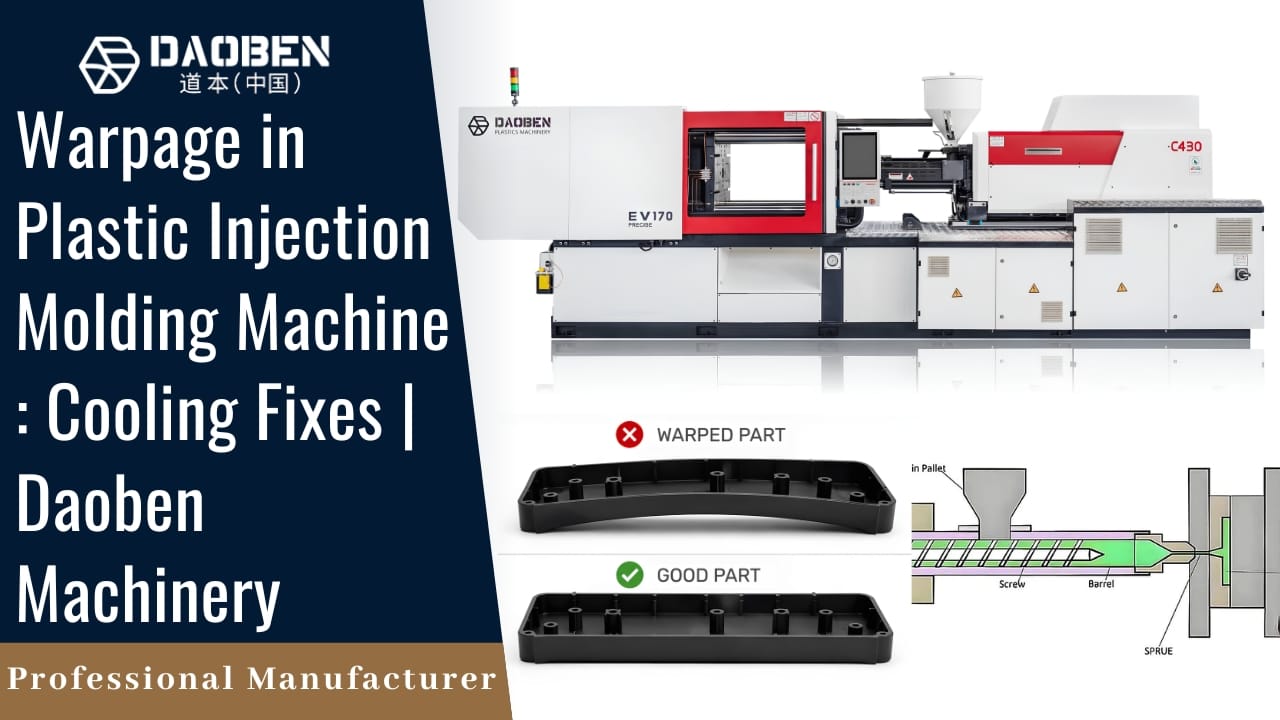
Faster cooling means faster cycles, but rushing it causes warping. Skilled operators balance cooling time against part quality, which is where machine control systems earn their value.
How to Choose the Right Tonnage for Toy Molding
Tonnage is the clamping force that holds a mold closed during injection. For toys, most jobs need 50 to 250 tons. You calculate it by multiplying the part’s projected area by the required pressure, then adding a safety margin of around 10 percent.
The rule of thumb is 2 to 5 tons of clamping force per square inch of projected part area. A small figurine might need only 50 tons. A large ride-on toy body could demand 800 tons or more, pushing it into large injection molding machine territory.
Projected area matters more than weight. It’s the shadow the part casts when viewed from the mold-opening direction. A wide, flat part like a play mat needs far more tonnage than a tall, narrow one of the same weight.
Small vs. Large Toy Parts
Small toys — think bath ducks, dice, or mini figures — run comfortably on 50 to 150 ton machines. These are affordable, energy-efficient, and quick to set up. Many toy factories run banks of these for high-volume small parts.
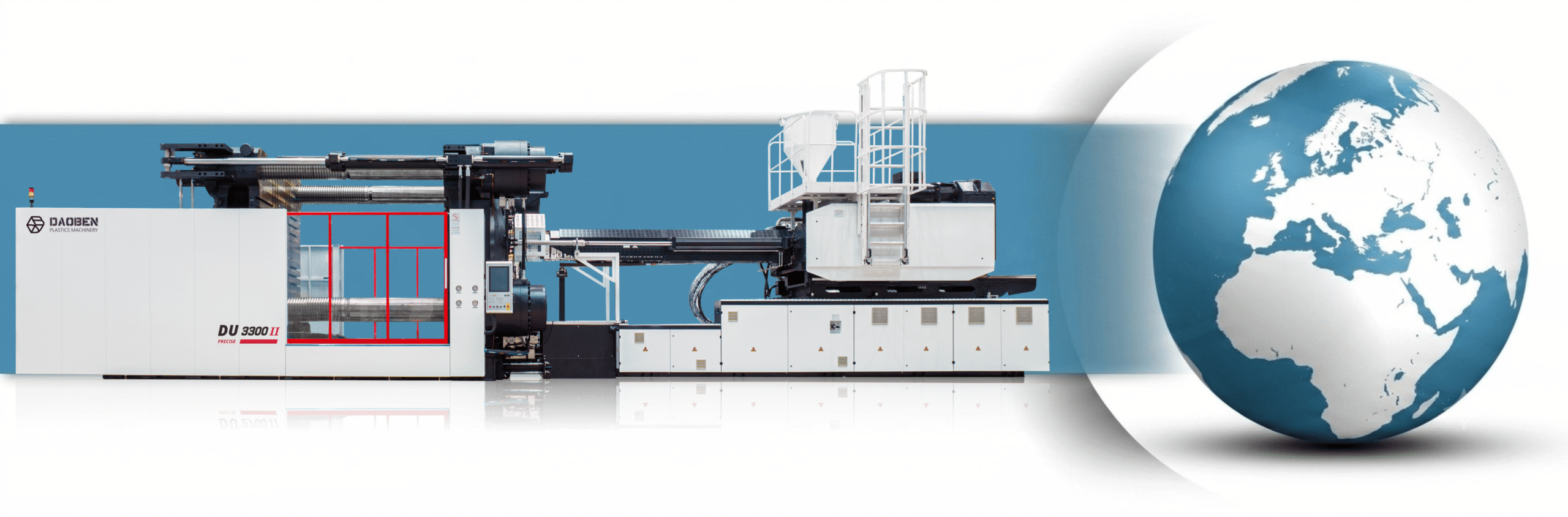
Bigger items change the math. A toy kitchen panel, a scooter deck, or a large dollhouse wall pushes you toward a large injection molding machine rated at 400 tons and up. These machines cost more but handle wide molds without flash.
If you’re weighing your options across sizes, our plastic injection molding machine price guide for 2025 breaks down cost ranges by tonnage class.
Tonnage Comparison for Common Toy Types
| Toy Type | Typical Part Size | Recommended Tonnage | Cavities |
|---|---|---|---|
| Building blocks | Small | 50–120 tons | 16–32 |
| Action figures | Small–medium | 80–180 tons | 4–8 |
| Toy cars (body) | Medium | 150–300 tons | 2–4 |
| Ride-on toys | Large | 600–1,000 tons | 1–2 |
| Play kitchen panels | Large | 400–800 tons | 1–2 |
Safety Standards Every Toy Molding Machine Must Meet
Toys sold to children face tighter regulation than most plastic products. A toy molding machine must produce parts that pass standards like ASTM F963 in the United States, EN 71 in Europe, and ISO 8124 internationally. These cover mechanical hazards, flammability, and chemical content.
Chemical limits are strict. EN 71-3 caps heavy metals like lead and cadmium that can leach from plastic. The U.S. CPSIA sets a lead limit of 100 parts per million in children’s products and restricts certain phthalates in toys.
Material selection is your first safety control. Choose food-grade or child-safe resins with documented compliance certificates. Reputable resin suppliers provide test data showing their material meets EN 71 and ASTM F963 chemical rules.
The machine itself must run clean. Contamination from oil leaks or degraded resin can spoil a batch. This is one reason some toy makers prefer electric machines, which use no hydraulic oil near the melt path.
Machine Safety for Operators
Beyond the toys, the machine protects the people running it. Modern injection molding machines follow ISO 20430, the safety standard for plastics machinery. Guards, light curtains, and two-hand controls prevent injuries during mold changes and part removal.
Daoben machines ship with these guarding systems as standard. For a closer look at how machine type affects both safety and running cost, compare electric versus hydraulic injection molding machines.
Managing Fast Color Changes in Toy Production
Toys demand bright, varied colors, so a plastic toy injection molding machine must switch shades quickly and cleanly. Color changes happen through masterbatch dosing at the machine throat or by purging the barrel between runs. A clean changeover from dark to light color can take 15 to 45 minutes depending on the method.
Most toy factories use masterbatch, a concentrated color pellet mixed with natural resin. A gravimetric doser meters the exact ratio, often 2 to 4 percent, giving consistent color without pre-compounded material costs.
Switching from a dark color to a light one is the hard part. Residual pigment clings to the barrel and screw. Operators run purging compound through the machine to scrub these surfaces before the new color goes in.
Cutting Color-Change Waste
Purge material is pure waste, so cutting it saves real money. A good purging compound and correct barrel temperature reduce changeover scrap by up to 50 percent compared with running natural resin through the barrel.
Machine design helps too. Screws with smooth, well-designed flights hold less residual pigment. Some toy producers dedicate certain machines to light colors and others to dark, avoiding the worst changeovers entirely.
Planning the color sequence matters as well. Running light shades first and moving toward darker ones through the day cuts total purge time. Energy-efficient machines also lower the cost of these frequent stop-start cycles, a point explored in this analysis of why energy-efficient injection molding machines are becoming standard.
Buying a Toy Molding Machine: What to Check
The right machine matches your part size, output target, and color needs. Before buying, confirm the tonnage range, shot size, and whether the control system supports masterbatch dosing. A trusted injection molding machine manufacturer should provide molds trials and after-sales support.
Shot size is the amount of plastic the machine can inject in one cycle. It must exceed your heaviest part plus the runner system. Buying too small a shot capacity forces the machine to work at its limit, which shortens screw life.
After-sales support decides long-term cost. Spare parts, remote diagnostics, and local service reduce downtime. When a machine stops, a factory loses money every hour, so response time matters as much as the sticker price.
Daoben Machinery works as a full injection molding machine manufacturer and supplier, covering the 30 to 4,000 ton range with machines suited to toys, packaging, and industrial parts. The same engineering principles apply across sectors, as shown in our work with automotive injection molders.
Frequently Asked Questions
What size injection molding machine do I need for toys?
Most toys need a plastic toy injection molding machine rated between 50 and 250 tons. Small parts like building blocks run on 50 to 120 tons, while large items such as ride-on toys need 600 tons or more. Calculate tonnage using projected part area times required pressure.
What plastic is safest for children’s toys?
ABS, HDPE, LDPE, and polypropylene are the safest and most common toy plastics. They must meet child-safety standards like EN 71 and ASTM F963, which limit heavy metals and phthalates. Always request compliance certificates from your resin supplier before production.
How long does a color change take on a toy molding machine?
A color change on a plastic toy injection molding machine takes 15 to 45 minutes. Dark-to-light switches take longest because residual pigment must be purged from the barrel. Using a quality purging compound and gravimetric dosing cuts both changeover time and waste.
Are electric or hydraulic machines better for toy production?
Electric machines suit toy production because they run clean with no hydraulic oil near the melt, offer precise control, and use less energy. Hydraulic machines cost less upfront and handle very high tonnage well. Hybrid machines blend both benefits for medium-volume toy factories.
What safety standards apply to a toy molding machine?
A toy molding machine must produce parts meeting ASTM F963 in the U.S., EN 71 in Europe, and ISO 8124 globally. The machine itself follows ISO 20430 for operator safety, with guards and light curtains preventing injury during mold changes.
Match the Machine to the Toy, Not the Other Way Around
The best results come from sizing a plastic toy injection molding machine to the exact parts you make. A 50-cavity block mold and a single-cavity ride-on toy demand very different machines, and forcing one to do the other’s job costs you in scrap, energy, or output.
Get three things right and the rest follows. Match tonnage to your projected part area. Choose child-safe resins that pass EN 71 and ASTM F963. And set up a color-change routine that keeps purge waste low across bright, frequent shade switches.
Toy production rewards precision and punishes guesswork. A machine tuned to your parts runs faster, wastes less, and keeps your products compliant with the safety rules that govern every toy sold.
If you’re planning a new line or replacing aging equipment, talk with the team at Daoben Machinery about the right tonnage and configuration for your toys. We’ll help you match the machine to the job.