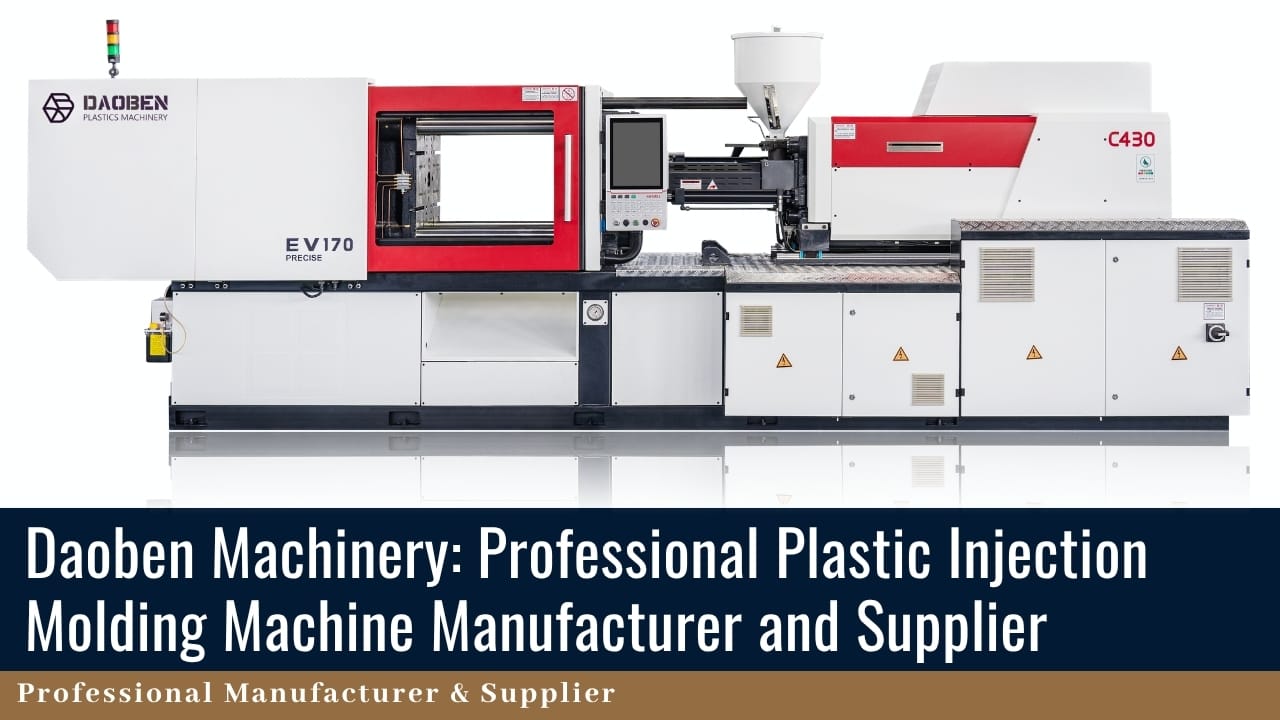
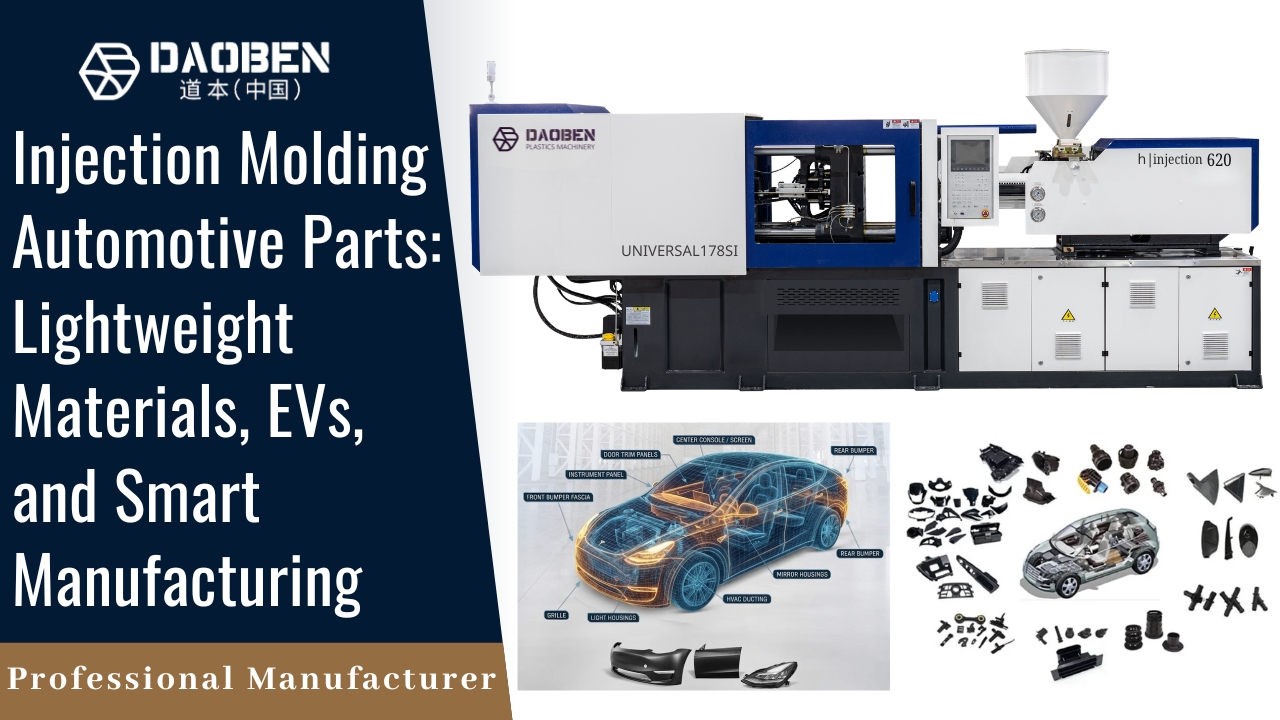
A modern car carries well over 1,000 plastic parts, from 5-gram wiring clips to 6-kilogram bumper fascias. No single press can make them all. A clip needs a fast 100-ton machine, while a bumper needs a 2,500-ton giant with a huge mold space. That is why choosing an automotive injection molding machine starts with the part, not the brand.
Car makers also demand strict quality. Tier 1 and Tier 2 suppliers must hold tight tolerances, record process data, and meet IATF 16949. So the machine must deliver repeatable shots, stable temperatures, and traceable settings.
This article matches machine types and tonnage to common car parts. It also explains toggle versus two-platen designs, key quality features, and what buyers in Türkiye, Morocco, South Africa, the USA, and the UK should check.
Quick Answer: The top automotive injection molding machine depends on part size. Use two-platen machines of 1,600–4,000 tons for bumpers, dashboards, and door panels. Use servo toggle or hybrid machines of 80–500 tons for clips, connectors, and lighting parts. All should offer closed-loop control, data logging, and stable process repeatability.
Table of Contents
ToggleWhich Automotive Injection Molding Machine Fits Each Car Part?
Match the automotive injection molding machine to the part’s projected area, shot weight, and mold size. Small interior and electrical parts run on 80–500 ton machines. Mid-size panels and consoles need 600–1,500 tons. Large exterior and interior parts such as bumpers and instrument panels need 1,600–4,000 tons.
| Car part | Typical resin | Typical tonnage | Recommended machine type |
|---|---|---|---|
| Wiring clips, fasteners | PA66, POM | 80–200 t | Servo toggle or all-electric |
| Connectors, sensor housings | PBT, PA, PPS | 80–300 t | All-electric or hybrid |
| Headlamp lenses | PC, PMMA | 300–800 t | Hybrid or precision servo |
| Door panels | PP/talc | 1,000–1,800 t | Two-platen servo-hydraulic |
| Instrument panels | PP, PC/ABS | 1,600–2,500 t | Two-platen servo-hydraulic |
| Bumper fascias | PP/EPDM | 2,000–3,500 t | Two-platen servo-hydraulic |
| Battery trays and covers (EV) | PP-GF, PA-GF | 1,500–4,000 t | Two-platen, high shot size |
Tonnage ranges are typical industry values. The final size depends on part geometry, wall thickness, and gate design.
Small parts need speed and precision
Clips and connectors run in multi-cavity molds. Therefore, they need fast cycles and tight shot-to-shot weight control. All-electric or hybrid machines often fit best here.
Large parts need space and stiffness
Bumpers and dashboards need wide platens, long strokes, and big shots. In addition, the platens must stay flat under load to avoid flash and warpage.
Toggle vs Two-Platen: Which Automotive Injection Molding Machine Design Is Better?
Toggle machines suit automotive parts up to about 800–1,000 tons because they clamp fast and cost less. Two-platen machines suit large parts above that range. They save floor space, offer larger mold openings, and apply even clamp force across big platens. Most car part plants use both designs.
Why two-platen wins for big parts
A two-platen design removes the rear platen and toggle links. As a result, the machine is often 20–30% shorter than a toggle press of the same force. It also gives more daylight for deep molds such as bumpers. The Daoben DU two-platen injection molding machine targets exactly this type of work.
Why toggles win for small parts
Toggle clamps move fast and use less power on short cycles. So they suit the high-volume clips, brackets, and housings that fill most car part catalogs.
Mid-tonnage choices
Between 500 and 1,000 tons, both designs work. Here, compare mold size and floor space. For example, an 800 ton injection molding machine can run either design, depending on part depth.
What Quality Features Should an Automotive Injection Molding Machine Have?
An automotive injection molding machine should offer closed-loop injection control, precise barrel temperature control, platen parallelism checks, and full process data logging. It should also connect to MES systems through OPC UA or EUROMAP 77. These features help suppliers prove consistency during IATF 16949 audits.
Repeatability and process control
Shot weight should vary by less than 0.5% on technical parts. Closed-loop control on injection speed, pressure, and screw position makes this possible. Moreover, stable oil temperature keeps hydraulic movements consistent all shift long.
Data logging and traceability
Auto makers ask suppliers to trace each part to its process settings. Therefore, the controller should store cycle data and alarm history. The IATF 16949 standard sets the quality system that most car makers require from suppliers.
Warpage control
Large, flat parts warp if cooling or packing is uneven. So the machine must hold steady pack pressure and pair with good mold temperature control. Read our full guide on warpage in injection molding for prevention steps.
Where Is Automotive Injection Molding Growing Fastest?
Automotive injection molding is growing fast in Türkiye, Morocco, Mexico, and Southeast Asia, where car makers have built new plants and supplier parks. EV programs also add demand for large battery covers, trays, and lightweight structural parts. These trends push suppliers toward bigger, more efficient two-platen machines.
Regional hubs
Türkiye’s Bursa and Kocaeli regions host major car plants and hundreds of suppliers. Morocco’s Tangier and Kenitra zones have grown into a key export base for Europe. Meanwhile, South Africa’s Eastern Cape and Gauteng serve global brands. Each hub needs local machine support and fast spare parts.
EV lightweighting
EVs replace metal parts with glass-filled plastics to save weight. As a result, molders need larger shots and stiffer clamps. In fact, machine makers report strong demand for technical molding. Engel, for example, said its technical molding segment grew even as total revenue fell in 2025/26.
Cost pressure
Car makers push suppliers for yearly price cuts. Therefore, energy-saving servo drives and lower machine prices matter. See our article on injection molding automotive parts for real application examples.
Build a Competitive Car Parts Line With the Right Presses
Winning automotive business means delivering stable parts at a lower cost every year. The right machines make that possible: fast toggles for small parts, stiff two-platen presses for large parts, and controls that log every shot.
Start by grouping your parts by size and resin. Then map each group to a tonnage band and clamp design. Finally, check data, energy, and service support before you sign.
To plan a full car parts line from 80 to 4,000 tons, explore Daoben injection molding machines. Send your part list, and the team can propose machine sizes and a layout.
FAQ
What tonnage do I need for a car bumper?
Most car bumper fascias need 2,000–3,500 tons, depending on size and wall thickness. A two-platen automotive injection molding machine is the usual choice because it offers a large mold opening and even clamp force. Always confirm with mold flow analysis before choosing the final machine size.
Is a two-platen machine better for automotive parts?
A two-platen machine is better for large automotive parts above about 1,000 tons. It is shorter, opens wider, and clamps evenly. For small clips and connectors, a toggle automotive injection molding machine is faster and cheaper. Many car part plants run both types side by side.
What certifications matter for automotive molding suppliers?
Most car makers require IATF 16949 for their suppliers, along with ISO 14001 for environmental management. The automotive injection molding machine itself should carry CE marking for Europe and meet local safety rules. Process data logging also helps suppliers pass audits and trace parts.
Can Chinese injection molding machines make automotive parts?
Yes. Many Tier 1 and Tier 2 suppliers worldwide run Chinese machines for interior, exterior, and electrical parts. The key is choosing a supplier with stable controls, strong platens, and good service. A well-built Chinese automotive injection molding machine often costs much less than a European model.
Which plastics are used most in car parts?
PP is the most used plastic in cars, followed by PU, PA, PVC, ABS, and PC. PP covers bumpers, door panels, and trims. PA and PBT cover clips and connectors. Each resin needs the right screw and temperature range on the automotive injection molding machine.