
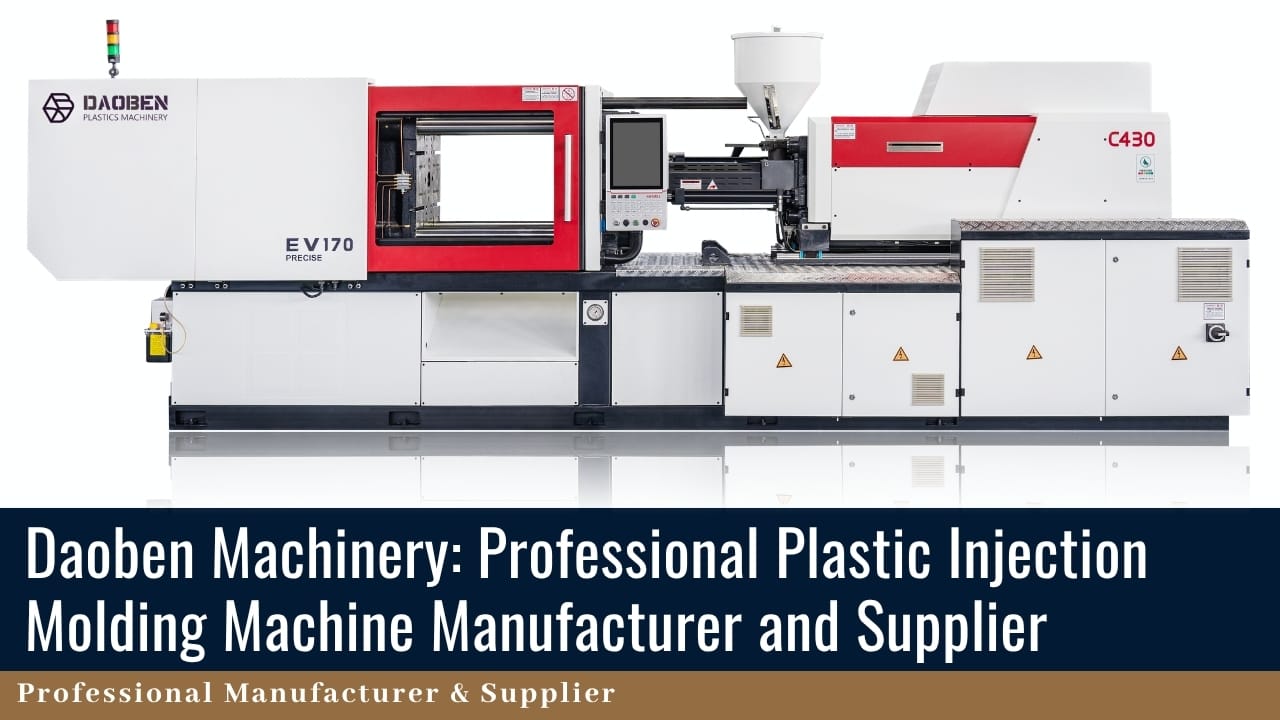
A CNC shop can cut ten ABS prototypes by Friday. An injection mold for the same part may take four weeks. Yet once you need 2,000 parts, the molded version can cost one-tenth as much per piece. That is the core trade-off in injection molding vs CNC machining for prototype production.
Neither process wins every time. CNC machining removes material from a solid block, so it needs no tooling. Injection molding pushes molten plastic into a steel or aluminum mold, so it needs a tool first but then runs fast and cheap.
This article compares both on cost, lead time, tolerance, material, and volume. It also shows how to find your break-even point. Finally, it explains when a product team should move from CNC prototypes to an in-house plastic injection molding machine.
Quick Answer: In injection molding vs CNC machining for prototypes, CNC wins for 1–300 parts, changing designs, and metal parts. Injection molding wins once the design is frozen and volume passes the break-even point, often 300–2,000 parts. Many teams machine early prototypes, then mold pilot runs on a production-grade machine.
How Do Injection Molding vs CNC Machining Costs Compare for Prototypes?
CNC machining has almost no upfront cost but a high, flat price per part. Injection molding has a large upfront mold cost but a very low price per part. Therefore, CNC is cheaper at low counts, and molding becomes cheaper as volume grows. The crossover is your break-even quantity.
The break-even formula
A simple formula helps. Break-even quantity = mold cost ÷ (CNC cost per part − molded cost per part). For example, an aluminum prototype mold costs USD 6,000. A CNC part costs USD 25 and a molded part costs USD 2. So the break-even point is about 261 parts.
What moves the break-even point
Several factors shift this number. Complex parts raise CNC cost, so molding pays off sooner. Large parts with long cycles raise molded cost, so CNC stays viable longer. In addition, multi-cavity molds spread tool cost across more parts per shot.
Published cost ranges
Industry data supports this pattern. Jiga’s cost comparison places break-even between 300 and 2,000 units in many cases. Meanwhile, Fictiv notes that molding’s low unit cost shows up once volume reaches several thousand pieces. See our injection machine price breakdown for machine-side costs.
Injection Molding vs CNC Machining: Lead Time, Tolerance, and Materials
CNC machining delivers parts in days and holds tighter tolerances, often ±0.025 mm. Injection molding needs 1–6 weeks for tooling but then produces parts in seconds with high repeatability. CNC cuts metals and most plastics. Injection molding uses thermoplastics and some thermosets, including filled grades CNC cannot copy.
| Factor | CNC machining | Injection molding |
|---|---|---|
| Upfront tooling | Fixtures only, very low | Mold: USD 2,000–5,000 (aluminum) to USD 10,000+ (steel) |
| Lead time to first part | 1–5 days | 1–6 weeks (tool build) |
| Cost per part at 100 pcs | High (USD 20–100) | Very high (tool not amortized) |
| Cost per part at 10,000 pcs | High (USD 10–40) | Low (USD 0.50–5) |
| Typical tolerance | ±0.025 mm or better | ±0.05–0.1 mm, affected by shrinkage |
| Materials | Metals, plastics, composites | Thermoplastics, glass-filled grades, LSR |
| Design changes | Easy, just edit CAM | Costly, needs mold rework |
| Surface finish | Tool marks unless polished | Matches mold texture, repeatable |
Why tolerance differs
CNC cuts to a fixed path, so dimensions stay tight. In contrast, molded plastic shrinks as it cools. Shrinkage varies by resin, wall thickness, and cooling. As a result, molded parts need careful mold design to hold tight specs.
Why material realism matters
A machined prototype in solid ABS behaves differently from a molded ABS part. Molding creates flow lines, knit lines, and fiber orientation. So a functional test on a machined part can miss real failure modes. This is why many teams mold a pilot batch before launch.
When Should a Prototype Move From CNC to Injection Molding?
Move from CNC to injection molding when the design is frozen, testing needs production-grade parts, and planned volume passes your break-even point. Most product teams switch during pilot runs or pre-launch builds. At that stage, the mold also becomes the start of your production tooling.
Signs the design is ready
First, the part has passed fit and function tests. Second, draft angles, wall thickness, and ribs follow molding rules. Third, the team expects no major geometry changes. When all three are true, molding is the safer next step.
Bridge tooling
Aluminum or soft steel “bridge” molds cost less and build faster. They usually last 5,000–10,000 shots. Therefore, they cover pilot runs while the hardened production mold is built. This approach lowers risk for launches in the USA, UK, and EU markets.
Using both processes
CNC and molding also work together. In fact, CNC machines cut most injection molds. So the smartest plan often uses CNC for early prototypes and mold making, then molding for every part after.
Should You Buy a Plastic Injection Molding Machine for Prototyping?
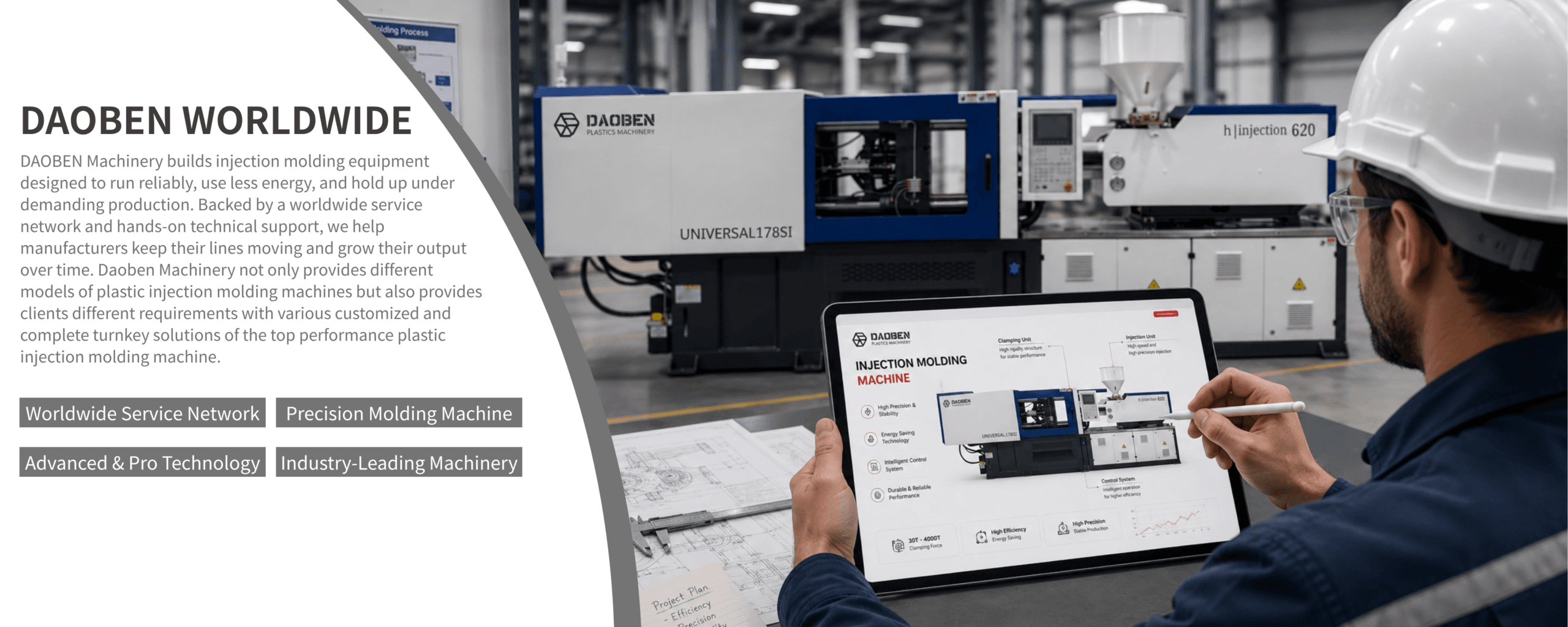
Buy an in-house plastic injection molding machine for prototyping when you launch several new parts each year or need fast pilot runs. A 60–150 ton servo machine lets engineers test molds, resins, and process settings without waiting on outside molders. It then turns into a production asset.
The in-house advantage
Outside molders often book weeks ahead. By contrast, an in-house press runs a new mold the day it arrives. Engineers can tweak melt temperature, pack pressure, and cooling time. As a result, design teams learn faster and ship sooner.
Choosing the right machine
Pick a machine with fine control over injection speed and pressure. The M7 series uses an intelligent control system on a servo-hydraulic platform, so it suits mold trials and short runs. For more on this use case, read our guide to the low-volume injection molding machine.
Cost of ownership
A small servo machine plus chiller and dryer often costs less than two or three steel production molds. Moreover, it keeps your designs and resin data inside your company. For startups and contract designers in Türkiye, Malaysia, and South Africa, that control is a real edge.
Choose the Process That Fits Each Stage of Your Product
Prototype production is a journey, not a single choice. CNC machining fits the first, fast-changing stage. Injection molding fits the stage where parts must look, feel, and fail like the final product.
Use the break-even formula with real quotes. Then plan bridge tooling to cover the gap between prototypes and production. Above all, freeze the design before cutting a hardened mold.
If your team wants to bring pilot runs in-house, explore Daoben injection molding machines. Share your part size and resin, and the team can match a machine to your mold trials and early production.
FAQ
Is CNC machining cheaper than injection molding for prototypes?
Yes, for small batches. In injection molding vs CNC machining, CNC is usually cheaper below 300 parts because it needs no mold. Injection molding becomes cheaper once volume passes the break-even point, which depends on mold cost, part size, and cycle time. Always compare full quotes, including tooling.
How many parts justify an injection mold?
Many projects justify an injection mold at 300–2,000 parts. Use the formula: mold cost divided by the CNC price per part minus the molded price per part. Aluminum bridge molds lower this number, so injection molding vs CNC machining tilts toward molding sooner for simple parts.
Can CNC prototypes predict molded part performance?
Only partly. CNC parts show fit and shape well. However, injection molding vs CNC machining differs in material structure, because molding creates knit lines and flow orientation. For strength, drop, or snap-fit tests, mold a small pilot batch so results match production parts.
How long does a prototype injection mold take?
A prototype aluminum mold usually takes one to four weeks. Steel production molds often take four to ten weeks. By contrast, CNC parts ship in days. This timing gap is why injection molding vs CNC machining choices often start with CNC, then switch once the design is stable.
Which materials work for both processes?
ABS, PC, PA (nylon), POM, PP, and PMMA work in both CNC machining and injection molding. However, glass-filled grades and thin-wall designs suit molding better. Metals need CNC. When comparing injection molding vs CNC machining, choose the prototype resin that matches your final production grade.