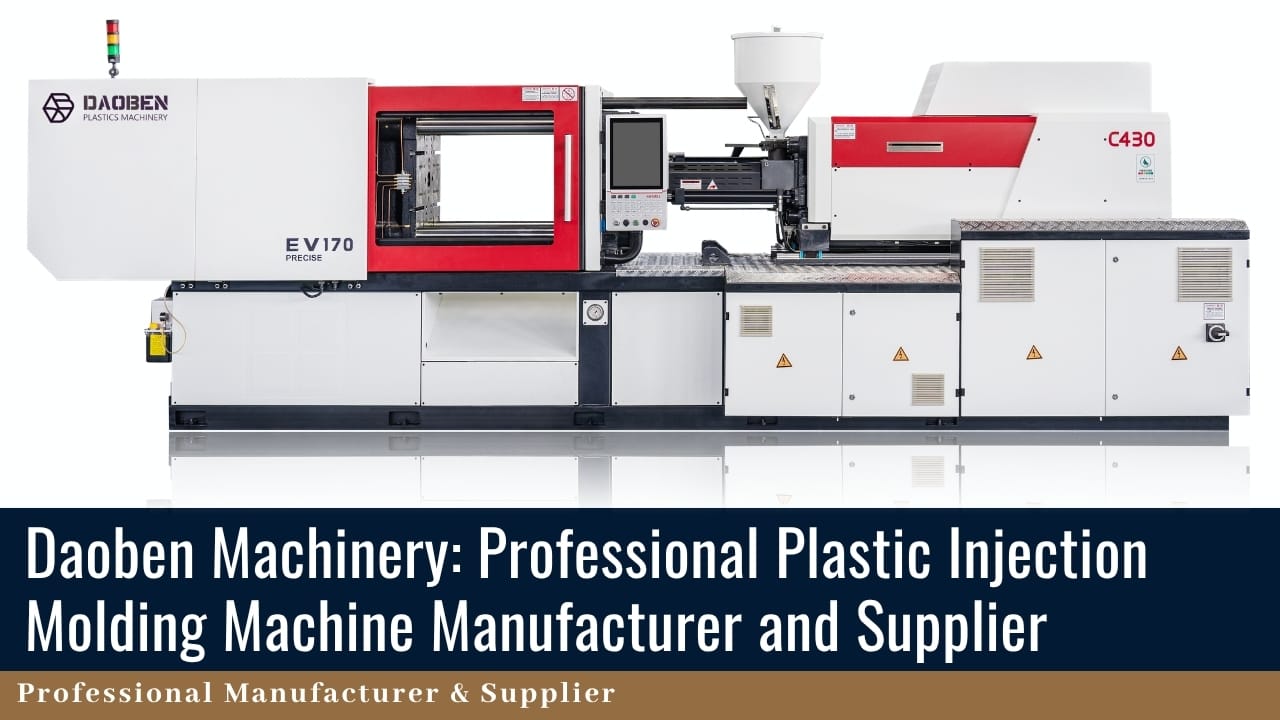
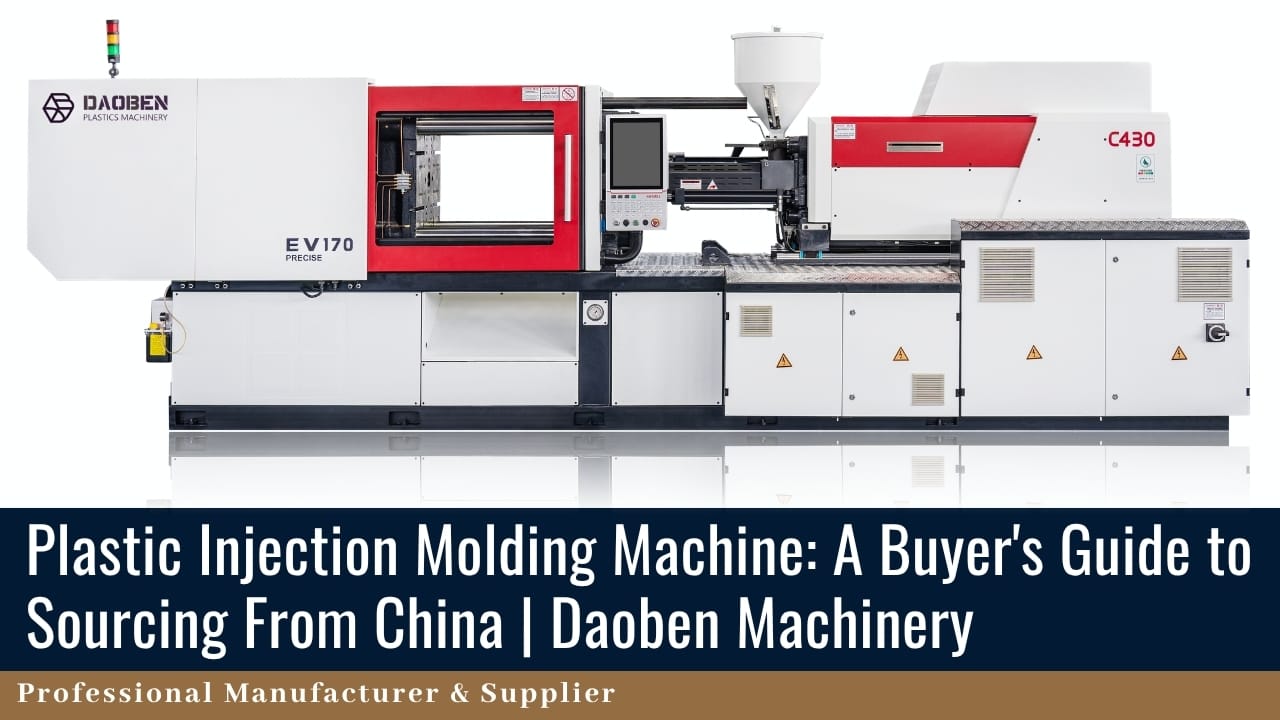
To choose a China plastic molding machine, size the clamping force from your part’s projected area, then check shot weight, screw design, and platen size against your mold. Next, audit the supplier’s factory, certifications, and references. Finally, agree clear Incoterms, a factory trial with your mold, and a written spare parts and service plan.
How Do You Select Tonnage for a China Plastic Molding Machine?
Select tonnage by multiplying your part’s projected area by the clamping factor for your resin, usually 2–5 tons per square inch (about 0.3–0.8 tons/cm²). Then add a 10–20% safety margin. Thin-walled parts and long flow paths need the higher end of that range.
A Quick Sizing Example
Say you mold a food container lid with a projected area of 80 square inches in PP. Thin-wall PP needs about 4 tons per square inch. So 80 × 4 gives 320 tons. With a 10% margin, you need about 350 tons. As a result, a 350–400 ton China plastic molding machine is the right class.
Why Oversizing Costs You
Many buyers pick a bigger China plastic molding machine “just to be safe.” But an oversized machine burns more power, takes more floor space, and costs more upfront. In addition, a small shot in a large barrel stays hot too long, which can degrade the resin. So size for your real parts, plus planned growth over the next three to five years.
How Do Requirements Differ for Caps, Containers, Automotive Parts, and Other Products?
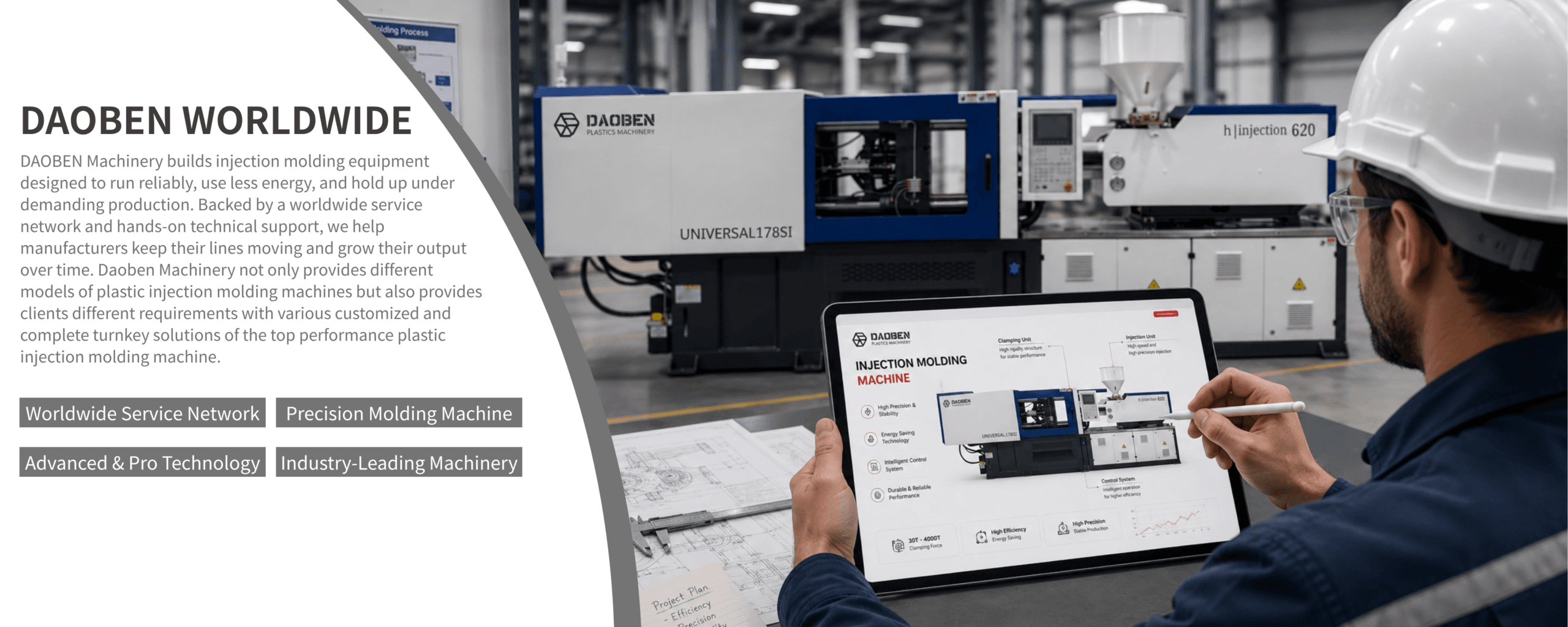
Each product type puts different demands on the machine. Caps need speed and precision. Thin-wall containers need very fast injection. Automotive parts need large platens and stable process control. Pallets and bins need high tonnage and long opening strokes. So the “best” China plastic molding machine depends entirely on what you make.
Caps and Closures
Caps run in multi-cavity molds, often 24 to 96 cavities, with cycles under 5 seconds. Therefore, buyers need fast dry cycles, high repeatability, and a strong ejection system. Machines in the 150–350 ton range with servo or electric drives are common here.
Thin-Wall Containers
Yogurt cups, food tubs, and lids have walls under 1 mm. As a result, the injection unit must fill the cavity in well under a second. Look for high injection speed, an accumulator or high-response servo, and a barrier screw for fast melting.
Automotive Parts
Bumpers, dashboards, and door panels need large molds and tight dimensional control. So they often run on 1,000–2,500 ton machines. Moreover, automotive buyers need closed-loop control, data logging for traceability, and wide tie-bar spacing. Two-platen designs save floor space at this size.
Crates, Pallets, and Other High-Volume Products
Crates, chairs, buckets, and pallets combine large shot weights with deep molds. Therefore, they need long opening strokes and strong clamping. Pallets and large bins may need 2,000–4,000 tons.
The table below summarizes these needs.
| Product Type | Typical Tonnage | Cycle Time | Key Machine Needs | Common Drive Type |
|---|---|---|---|---|
| Caps and closures | 150–350 tons | 3–6 seconds | Fast dry cycle, high repeatability, multi-cavity ejection | Servo hydraulic or all-electric |
| Thin-wall containers | 200–500 tons | 4–8 seconds | Very high injection speed, barrier screw | High-speed servo or hybrid |
| PET preforms | 200–600 tons | 8–20 seconds | PET screw, dryer, multi-cavity hot runner | Servo hydraulic |
| Crates and buckets | 450–900 tons | 25–50 seconds | Large shot, long opening stroke | Servo hydraulic |
| Automotive parts | 1,000–2,500 tons | 40–90 seconds | Wide platens, closed-loop control, data logging | Servo hydraulic or two-platen |
| Pallets and large bins | 2,000–4,000 tons | 60–120 seconds | Very large shot, deep mold space | Two-platen |
Which China Plastic Molding Machine Specifications Matter Most?
The specifications that matter most are clamping force, shot weight, screw diameter and L/D ratio, injection speed and pressure, tie-bar spacing, mold height range, and opening stroke. Component brands also matter, because they decide reliability and how easily you find spare parts later.
Injection Unit
First, check the shot weight in your resin, not in polystyrene. Many datasheets quote PS values, which run higher than PP or PE. Next, check the screw. A screw L/D ratio of 20:1 to 24:1 suits most commodity resins. However, PET, PC, and filled materials often need special screws.
Clamping Unit
The mold must fit between the tie bars with room to spare. Also check the minimum and maximum mold height, plus the opening stroke. For deep parts such as buckets, the stroke should be at least twice the part height plus room for the robot.
Components and Controls
On any China plastic molding machine, ask which brands supply the hydraulic valves, servo motors, pumps, and controller. Well-known global brands make service and spare parts easier in your country. In addition, ask whether the controller supports your language and remote diagnostics. For a wider view of trade-offs, read our guide on high-end vs. economical injection molding machines.
How Do You Evaluate a Chinese Machine Supplier?
Evaluate a Chinese supplier by confirming it is a real manufacturer, auditing its factory, checking certifications, and speaking with existing customers in your region. A trustworthy supplier also runs your mold or a sample mold on the machine before shipping and gives you a full test report.
Manufacturer or Trading Company?
Trading companies resell machines from several factories, so the same China plastic molding machine may appear under different names. That can work for standard models. However, a direct manufacturer can adjust the machine to your mold and gives you direct access to its engineers. So ask for the factory address, business license, and a live video tour of the assembly line.
Certifications and Compliance
Check for ISO 9001 and CE documents. If you import into the EU, note a key date. Regulation (EU) 2023/1230 replaces the old Machinery Directive, and the new rules apply from 20 January 2027. So any machine placed on the EU market from that date must meet the new regulation. Ask your supplier to confirm this in writing.
References and Factory Trials
Ask for two or three customer contacts in your country or industry. Then ask for a factory acceptance test with your mold, or with a similar mold if yours is not ready. Record dry cycle time, shot consistency, and part quality during the trial. For a broader comparison of origins, see our analysis of Chinese vs. European injection molding machines.
Working with a Direct Manufacturer
Daoben Machinery is one example of a direct manufacturer. It builds machines from 30 to 4,000 tons in its own plant, which covers caps and medical parts at the small end and pallets and automotive parts at the top. Because buyers talk directly with Daoben’s engineers, sizing and customization questions get answered quickly.
What Should You Know About Shipping and After-Sales Support?
Shipping and after-sales support decide how fast your China plastic molding machine starts producing and how long it keeps running. Agree on Incoterms, packing, and insurance before you pay a deposit. Then confirm installation, training, spare parts stock, and service response times in the contract.
Incoterms and Freight
Incoterms define who pays for freight, insurance, and risk at each stage. The most common terms are FOB (the seller loads the machine at a Chinese port), CIF (the seller also pays freight and insurance to your port), and DAP (the seller delivers to your named place). The US International Trade Administration’s guide to Incoterms explains all 11 rules. In general, machines up to about 300–400 tons fit in a 40-foot container. Larger machines usually ship on flat racks or as break-bulk cargo.
Packing and Arrival
Ask for anti-rust treatment, vacuum wrapping, and fixed wooden bases for each section. On arrival, check every crate against the packing list before signing. Also plan your crane capacity and floor load in advance, because large machines can weigh well over 100 tons.
After-Sales Support
Distance is the main worry for buyers who import a China plastic molding machine. You can reduce that risk with a clear support plan. Ask for an on-site installation engineer, operator training, a spare parts kit for wear items, and remote diagnostics through the controller. Also ask how long the supplier will stock parts for your model. A good supplier answers these questions in writing before you sign.
Make Your China Sourcing Decision Pay Off
A China plastic molding machine can give you strong value, but only when you buy it the right way. Start with your part, size the tonnage and shot, and match the drive type to your product. Then check the supplier’s factory, certifications, and references before you commit.
After that, lock down Incoterms, a factory trial, and a written service plan. These steps turn a low purchase price into a low cost of ownership. Moreover, they protect your launch date, because surprises after delivery cost far more than checks before shipment.
If you are sourcing now, explore Daoben Molding Machines and share your part drawing or mold data. Daoben’s engineers will recommend a machine from its 30 to 4,000 ton range and send a clear quote with delivery terms. For mid-size projects, our 300-ton injection molding machine guide is also a useful next read. If you make electronic parts, see our page on injection molding solutions for the electronics industry.
Frequently Asked Questions
Is a China plastic molding machine good quality?
Quality varies by manufacturer, not by country. Many Chinese factories now use global-brand hydraulics, servo motors, and controllers, and they export to Europe and North America. To judge a China plastic molding machine, check ISO 9001 and CE documents, ask for customer references, and run a factory trial with your own mold before shipping.
How much cheaper is a China plastic molding machine?
A China plastic molding machine often costs 30–50% less than a European machine of similar tonnage. The exact gap depends on drive type, components, and options. However, buyers should compare total cost, including energy, spare parts, service, and downtime, not the purchase price alone. A cheap machine with poor support can cost more over time.
What tonnage do I need for bottle caps?
Most cap molds run on machines between 150 and 350 tons, depending on cavity count and cap size. A 48-cavity mold for standard beverage caps often fits a 250–300 ton machine. When you buy a China plastic molding machine for caps, also check dry cycle time and repeatability, because cycles often run under 5 seconds.
How long does shipping from China take?
Sea freight from China usually takes 20–45 days, depending on your port. Add the build time, which is often 30–60 days for standard models. So plan for about two to four months from order to arrival. Ask your China plastic molding machine supplier for a written schedule covering production, testing, packing, and shipping.
Can I get after-sales service for a machine bought from China?
Yes. Good suppliers offer on-site installation, operator training, remote diagnostics, and spare parts shipped by air. Some also work with local service partners. Before you buy a China plastic molding machine, confirm response times, the parts kit included, and how long the supplier will stock parts for your model.