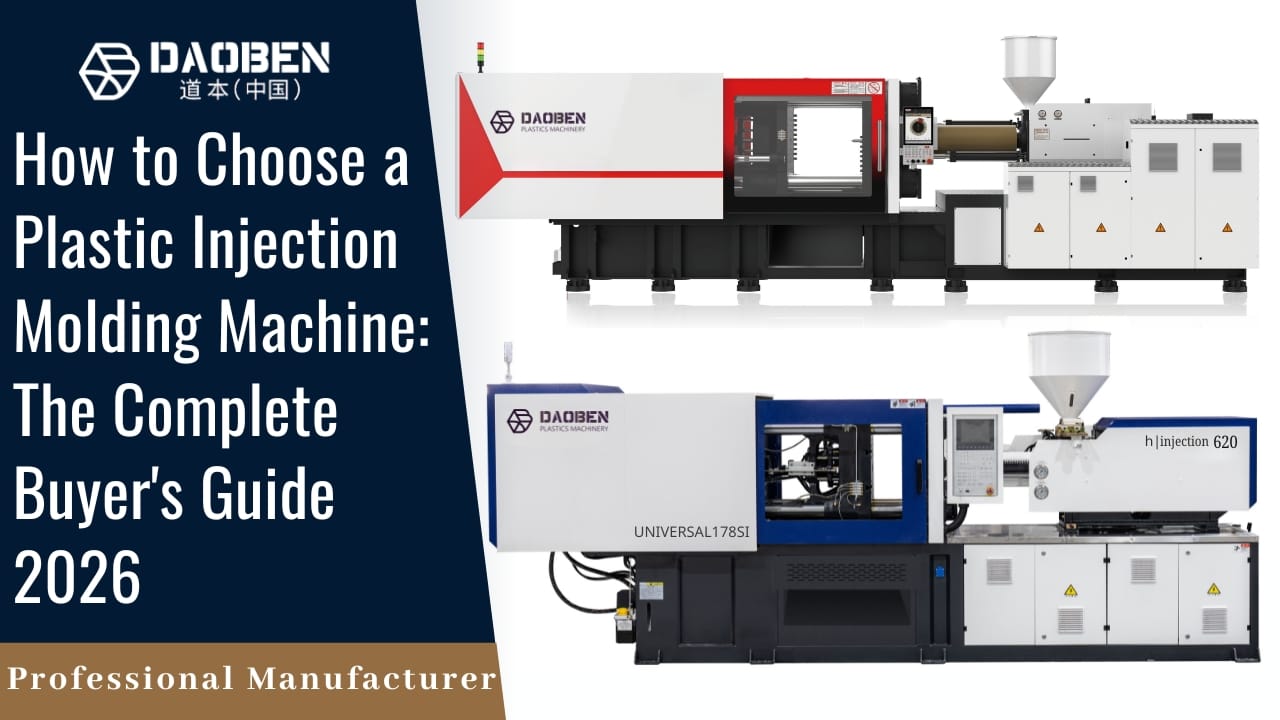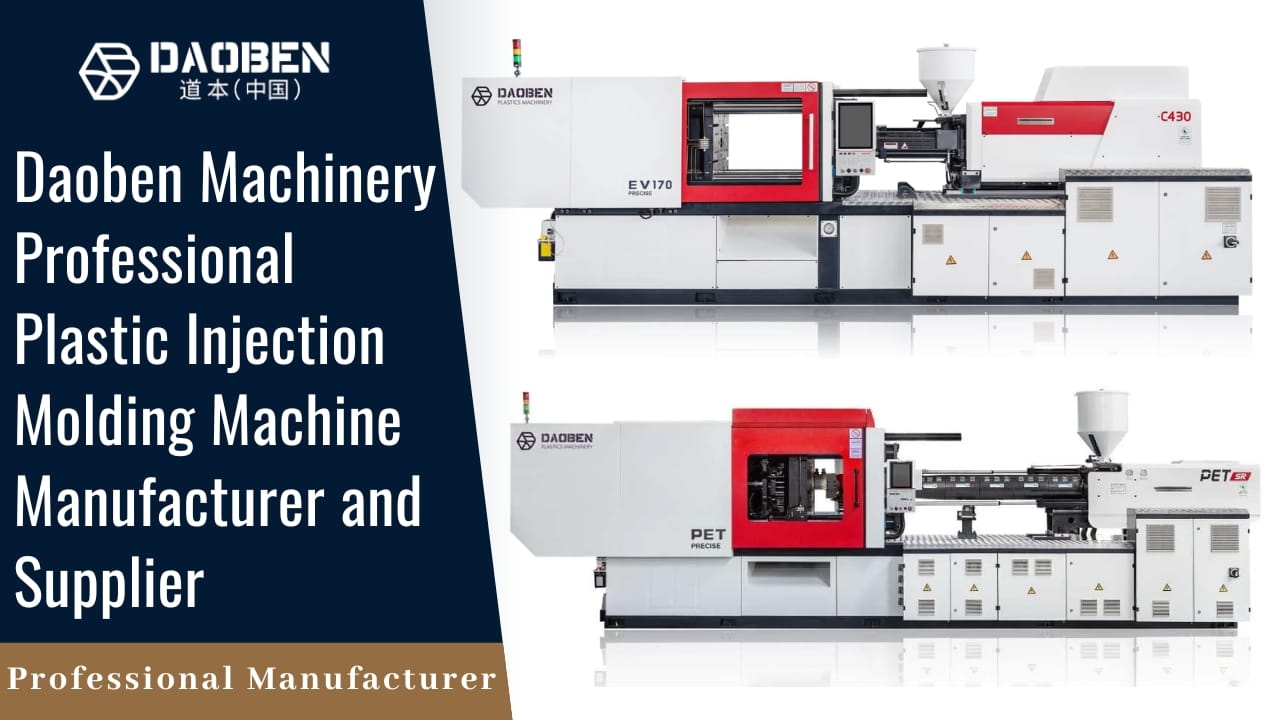

Searching for an affordable molding machine injection for sale near you can feel like navigating a maze. You need reliable equipment that fits your budget, meets production demands, and comes with proper support. Many buyers waste time chasing leads that end in inflated prices or unreliable suppliers. The good news? Understanding what separates a smart investment from a costly mistake takes just a few key insights—and access to the right manufacturer.
When your production line depends on consistent output, choosing the wrong injection molding equipment can derail timelines and drain capital. Whether you’re scaling up operations or replacing aging machinery, the stakes are high. This guide walks you through everything you need to know about sourcing quality molding machines, evaluating suppliers, and making decisions that protect your bottom line.
What Makes a Quality Molding Machine Injection Worth Your Investment
Not all injection molding machines deliver the same value. A quality molding machine injection combines precision engineering, durable components, and responsive controls. These machines handle everything from small consumer products to large industrial components with repeatable accuracy.
The core components matter most. Hydraulic systems, clamping units, injection units, and control systems must work together seamlessly. When one element underperforms, your entire production suffers. Machines built with quality steel frames resist wear over millions of cycles. Precision injection molder systems maintain tight tolerances even during high-volume runs.
Temperature control systems regulate barrel zones within one degree. This consistency prevents material degradation and reduces scrap rates. Clamping force must match your mold requirements—too little causes flash, too much damages tools.
Key Performance Indicators to Track
Monitor cycle time, energy consumption, and defect rates. A well-designed machine completes cycles faster while using less power. Modern systems incorporate servo motors that reduce energy costs by 30-60% compared to standard hydraulic units.
Table 1: Essential Machine Specifications to Compare
| Specification | Entry-Level Range | Mid-Range | Industrial-Grade |
|---|---|---|---|
| Clamping Force | 30-150 Ton | 160-500 Ton | 600-4000 Ton |
| Shot Size | 50-200g | 250-800g | 1000g+ |
| Injection Pressure | 1200-1500 bar | 1500-2000 bar | 2000-2500 bar |
| Cycle Time | 15-25 seconds | 10-18 seconds | 8-15 seconds |
| Energy Type | Standard Hydraulic | Hybrid | All-Electric/Servo |
Your production requirements dictate which range makes sense. Small parts manufacturers might thrive with 80-ton machines, while automotive suppliers need 800-ton capacity or higher.

Understanding Molding Machine for Sale Options in Today’s Market
The market offers three main purchasing paths: new equipment from manufacturers, certified refurbished units, and used machines from third-party sellers. Each comes with distinct advantages and risks.
Buying directly from manufacturers like Daoben Machinery eliminates middleman markups. You get factory-fresh equipment, full warranties, and direct technical support. When issues arise, you’re talking to engineers who built the machine—not resellers reading manuals.
Refurbished machines offer cost savings if properly vetted. Legitimate rebuilders strip machines down, replace worn parts, and test thoroughly. Ask for documentation showing what was replaced and test results. Machines without clear service records carry hidden risks.
Used equipment from brokers presents the highest risk-reward ratio. Prices can be 40-60% below new, but you inherit previous operators’ maintenance habits. Inspect hydraulic seals, check electronic components, and verify mold compatibility before committing.
Questions to Ask Any Seller
How many hours has the machine operated? What production environment did it serve? Are maintenance records available? Can you witness test runs? Will the seller provide installation support? These answers reveal whether you’re buying value or problems.
How Precision Injection Molder Technology Improves Your Output
Precision matters when product quality defines your reputation. A precision injection molder maintains consistent shot weights within 0.5% variance. This repeatability ensures parts meet specifications batch after batch.
Advanced control systems monitor dozens of parameters in real-time. Pressure sensors track cavity fill patterns. Temperature probes verify melt consistency. Position encoders confirm screw placement. When any variable drifts outside tolerances, the system alerts operators before defects occur.
Closed-loop controls automatically adjust injection speed, pressure, and cooling time. If material viscosity changes between lots, the machine compensates. This adaptability reduces setup time and minimizes waste during material transitions.
Benefits You’ll Measure Immediately
Scrap rates drop when machines hit targets consistently. One medical device manufacturer reduced rejects from 8% to 1.2% after upgrading to precision controls. Lower scrap means less material waste and fewer labor hours sorting bad parts.
Tighter tolerances enable assembly automation. When part dimensions stay within ±0.05mm, robotic assembly succeeds without manual adjustments. This precision unlocks productivity gains throughout your operation.
Finding Affordable Molding Machine Injection Options Without Sacrificing Quality
“Affordable” doesn’t mean “cheapest available.” Smart buyers balance upfront costs against long-term value. A machine priced 20% lower that costs 40% more to operate over five years isn’t a bargain.
Calculate total cost of ownership by adding purchase price, energy consumption, maintenance expenses, and downtime costs. Energy-efficient servo systems cost more initially but pay back through reduced utility bills. Reliable machines minimize expensive production interruptions.
Consider financing options that preserve working capital. Many manufacturers offer lease programs or payment plans. These arrangements let you acquire equipment while maintaining cash reserves for inventory and operating expenses.

Table 2: Cost Comparison Over 5 Years
| Factor | Budget Machine | Quality Machine | Difference |
|---|---|---|---|
| Purchase Price | $35,000 | $55,000 | +$20,000 |
| Annual Energy | $8,500 | $4,200 | -$21,500 |
| Maintenance/Year | $4,200 | $1,800 | -$12,000 |
| Downtime Costs | $6,000 | $1,200 | -$24,000 |
| 5-Year Total | $128,500 | $85,000 | -$43,500 |
The numbers tell a clear story. Investing in reliable equipment from established manufacturers saves substantially over time.
Why Working with Direct Manufacturers Matters
Buying from the factory that builds your machine provides advantages brokers can’t match. You receive equipment configured for your specific needs rather than generic units sitting in inventory.
Direct manufacturers offer deeper technical knowledge. Their engineers designed the systems they support. When troubleshooting complex issues, you’re consulting the people who selected components and wrote control algorithms.
Parts availability improves dramatically. Manufacturers stock components for machines they produce. Third-party suppliers might carry common wear items but rarely maintain inventories of specialized parts. When production stops, waiting weeks for critical components costs far more than any initial savings.
Training quality rises when provided by factory technicians. They teach proper operating procedures, preventive maintenance schedules, and troubleshooting techniques. This knowledge extends machine life and maintains performance.
Customization Options You Won’t Find Elsewhere
Need specialized clamping configurations? Special barrel designs for exotic materials? Integration with existing automation? Manufacturers can modify standard platforms to match your requirements. Resellers sell what they have; manufacturers build what you need.
At Daoben Machinery, we manufacture machines from 30 tons to 4000 tons with customization available across our entire range. Our engineering team works directly with customers to optimize equipment for specific applications.
Evaluating Suppliers: What Separates Reliable Partners from Sales-Focused Operations
Not all injection molding machine suppliers operate with the same priorities. Some focus on moving inventory, others on building long-term partnerships. Recognizing the difference protects your investment.
Reliable suppliers ask detailed questions about your production requirements, materials, cycle times, and quality standards. They want to understand your application before recommending equipment. If a supplier pushes specific models without learning your needs, consider that a warning sign.
Technical support availability matters immensely. Will you reach engineers or call centers? Can technicians visit your facility? Do they offer remote diagnostics? Quality suppliers invest in support infrastructure because they stand behind their products.
Financial stability indicates longevity. Suppliers who’ve operated for decades will likely remain available when you need parts or service years later. Research company history, customer reviews, and industry reputation before committing.
Red Flags That Should Pause Your Purchase
Pressure tactics suggesting limited-time offers usually signal desperation, not value. Vague warranty terms or unwillingness to provide documentation in writing raises concerns. Reluctance to allow factory visits or demonstrations suggests something to hide.
Check references from customers in similar industries. Ask about machine performance, support responsiveness, and parts availability. Honest feedback from actual users reveals more than marketing materials ever will.
Applications That Benefit Most from Modern Injection Molding Technology
Today’s molding machine injection systems excel across diverse manufacturing sectors. Consumer goods manufacturers produce everything from toys to household items with consistent quality. Automotive suppliers mold interior components, connectors, and under-hood parts meeting strict specifications.
Medical device production demands the highest precision levels. Components for diagnostic equipment, surgical instruments, and drug delivery systems require contamination-free environments and validated processes. Modern machines with proper documentation support these stringent requirements.
Electronics manufacturers rely on injection molding for housings, connectors, and structural components. The materials and tight tolerances these applications demand test machine capabilities. Specialized applications like plastic chair making demonstrate how versatile injection molding technology serves different market needs.
Packaging production runs high volumes at rapid cycle times. Caps, closures, containers, and industrial packaging all flow from injection molding machines optimized for speed. These operations prioritize reliability and energy efficiency to maintain profitability.

Material Compatibility Expands Possibilities
Modern injection units process thermoplastics, thermosets, elastomers, and specialty compounds. ABS, polypropylene, polycarbonate, nylon, and TPE materials each require specific barrel temperatures, injection pressures, and cooling profiles. Versatile machines handle multiple materials with minimal changeover time.
Engineering resins with glass reinforcement, flame retardants, or other additives need robust screws and barrels resistant to abrasive wear. Premium machines incorporate hardened components that extend service life when processing demanding materials.
Installation, Training, and Ongoing Support Considerations
Getting your new machine into production requires more than delivery and power connection. Proper installation ensures optimal performance from day one. Foundation requirements, electrical specifications, cooling water supply, and material handling systems all need coordination.
Experienced installers level machines precisely, align mold mounting surfaces, and verify all safety systems function correctly. They test machine capabilities across the operating range before turning equipment over to your team. This thorough commissioning prevents problems that emerge when rushing into production.
Operator training determines how effectively your team utilizes machine capabilities. Comprehensive programs cover normal operation, material changes, routine maintenance, and basic troubleshooting. Well-trained operators catch developing issues before they cause breakdowns.
Maintenance training for your technicians enables faster problem resolution. Understanding hydraulic systems, electrical components, and mechanical assemblies reduces dependence on outside service. Many issues can be resolved quickly when your team knows what to check.
Building Long-Term Support Relationships
Establish preventive maintenance schedules that keep machines running reliably. Regular oil changes, filter replacements, and system inspections cost far less than emergency repairs. Quality suppliers provide detailed maintenance guides and parts lists supporting proactive care.
Remote diagnostic capabilities let factory engineers observe machine performance and identify issues without site visits. This technology speeds problem resolution and reduces downtime. When on-site visits become necessary, technicians arrive knowing what parts and tools they need.
Making Your Purchase Decision: A Practical Framework
Start by defining your production requirements precisely. What parts will you mold? Volumes do you need? What materials will you process? These answers narrow your options to appropriate machine sizes and configurations.
Request detailed quotes from multiple suppliers including all costs—machine price, installation, training, tooling, and first-year spare parts. Hidden costs emerge when comparing only equipment prices.
Evaluate total cost of ownership using realistic production scenarios. Factor in energy consumption, maintenance requirements, and expected service life. A machine lasting 15 years with minimal issues delivers better value than one requiring replacement after 7 years.
Visit supplier facilities when possible. Seeing manufacturing operations, quality control processes, and inventory levels provides insight into capabilities. Meeting engineers and support staff who’ll assist you builds confidence.
Test parts from candidate machines verify they meet your standards. Material properties, dimensional accuracy, and surface finish all matter. Sample parts reveal more about machine capabilities than specifications alone.
Finalizing Terms That Protect Your Interests
Negotiate warranty coverage, support response times, and parts pricing. Clear agreements prevent disputes later. Understand what warranty covers and excludes. Know costs for routine service and typical spare parts.
Plan payment terms that work with your cash flow. Deposits, progress payments, and final payment upon acceptance are common structures. Ensure contracts specify delivery dates, installation timelines, and training schedules.
Document acceptance criteria before delivery. What performance standards must the machine meet? What test runs will you conduct? Having clear criteria prevents ambiguity when verifying equipment performs as promised.
Why Daoben Machinery Delivers Value Others Can’t Match
We manufacture injection molding machines ranging from 30 tons to 4000 tons in our own facilities. This vertical integration gives us control over quality, costs, and delivery schedules. When you order from Daoben, you’re buying from the factory floor—not through multiple distribution layers.
Our engineering team customizes machines for specific applications. Standard configurations cover most needs, but unique requirements get proper attention. We’ve built machines for specialized materials, extreme cycle speeds, and precision applications across dozens of industries.
Technical support runs through our factory-trained engineers who understand every system component. They designed the machines they support. This expertise resolves issues faster than generic service providers working from manuals.
Explore our complete range of injection molding machines to find equipment matching your production requirements. Our catalog includes detailed specifications, application examples, and configuration options.
We stock comprehensive spare parts inventories supporting machines we’ve manufactured over decades. Critical components ship quickly, minimizing downtime when service needs arise. This parts availability provides peace of mind that third-party suppliers can’t match.
Taking the Next Step Toward Better Production Efficiency
Finding the right molding machine injection doesn’t require guesswork when you work with knowledgeable partners. Understanding your requirements, evaluating suppliers carefully, and calculating total ownership costs guide you toward smart investments.
Quality equipment from reliable manufacturers pays dividends for years through consistent production, lower operating costs, and minimal downtime. The difference between good machines and mediocre ones compounds daily through every cycle run.
Local support matters when production demands won’t wait. Suppliers with nearby service capabilities respond faster to urgent needs. Yet working directly with manufacturers provides expertise local dealers rarely possess.
Understanding injection molding machine prices and market factors helps you evaluate quotes intelligently. Knowledge protects against overpaying while ensuring you don’t compromise on essential features.
Connect with Our Team to Discuss Your Specific Needs
Every production environment presents unique challenges. Standard recommendations only go so far. Real solutions emerge from conversations between your team and experienced manufacturers who’ve solved similar problems.
We invite you to contact Daoben Machinery directly to discuss your injection molding requirements. As the original equipment manufacturer, we offer competitive pricing, customization options, and comprehensive support. Our engineering team is ready to answer technical questions, review your applications, and recommend optimal solutions.
Whether you need a single machine or a complete production line, we bring decades of manufacturing experience to every project. Let’s explore how our injection molding machines can improve your production efficiency, reduce costs, and deliver the quality your customers expect.
Reach out today to request detailed specifications, discuss your application, or schedule a consultation with our technical team. Smart investments start with informed conversations—and we’re here to provide the insights you need.