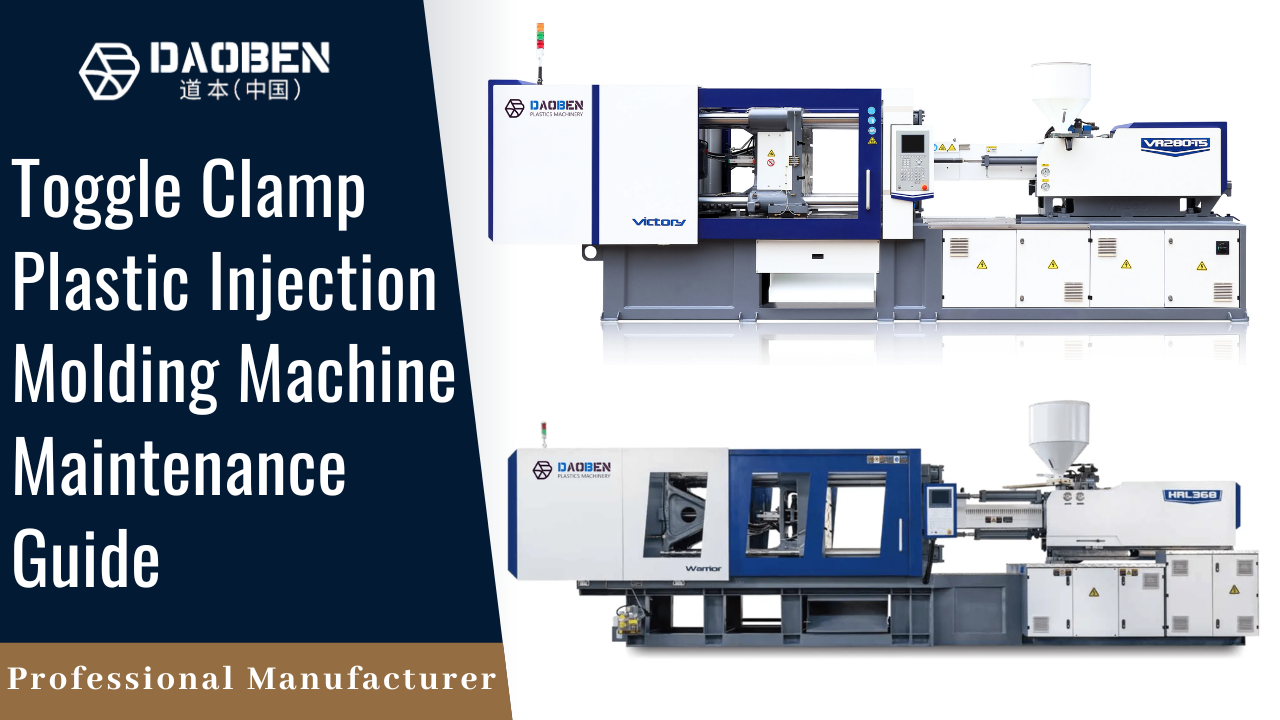
A seized toggle mechanism or worn tie bars can cost you $5,000 to $15,000 per day in lost output. Most manufacturers don’t realize that 78% of unplanned downtime stems from skipped maintenance tasks. The good news? A structured preventive care schedule for your toggle clamp injection molding machine cuts failure rates by up to 85% and extends equipment life by 10-15 years.
This checklist walks you through daily, weekly, monthly, quarterly, and annual maintenance tasks that keep your machines running at peak efficiency. Whether you operate 30-ton tabletop units or 4000-ton heavy-duty systems, these protocols apply across all tonnage ranges.
Why Your Toggle Clamp Injection Molding Machine Needs Regular Maintenance
Toggle systems operate under extreme mechanical stress. Each cycle generates forces ranging from 30 to 4000 tons, depending on your machine’s clamping capacity. The toggle mechanism amplifies hydraulic pressure through a series of links and pins that open and close the mold hundreds of times per hour.
Without consistent care, three critical failures occur:
Mechanical wear accelerates. Toggle pins and bushings develop play, reducing clamp precision. Your parts start showing flash or dimensional variation. By the time you notice quality issues, wear has already progressed beyond simple adjustment.
Lubrication breakdown causes friction. Dry joints increase operating temperatures and energy consumption. A toggle type injection moulding machine running with inadequate lubrication can consume 20-30% more power while producing inferior parts.
Tie bar alignment shifts. The four tie bars in injection molding machines must maintain parallel alignment within 0.05mm. Even minor misalignment creates uneven wear patterns and premature failure.
Compare this to hydraulic or ram type injection molding machine systems, which face different maintenance challenges. Toggle systems require more frequent mechanical inspection but less hydraulic maintenance. The trade-off favors manufacturers who implement structured preventive care.

Daily Maintenance Tasks for Peak Performance
Start each shift with these five-minute checks. Your operators should complete these tasks before running production parts.
Visual inspection of toggle mechanism. Look for oil leaks around pivot points. Check that protective covers remain secure. Listen for unusual sounds during dry cycling—clicking, grinding, or squeaking indicates problems.
Verify lubrication levels. Most toggle injection moulding machine systems use automatic lubrication pumps. Confirm the reservoir contains adequate oil. Check that grease points receive lubricant during the cycle. Many machines have indicator lights or pressure gauges for this purpose.
Test safety systems. Activate the emergency stop. Verify that safety doors trigger immediate shutdown. Check that light curtains or presence sensors function correctly. Never skip safety checks to save time.
Clean mold mounting surfaces. Remove plastic residue, dust, and debris from platens. Contamination between mold and platen creates uneven pressure distribution and damages both components.
Review cycle parameters. Confirm that clamp force, injection speed, and holding pressure match specifications. Operators sometimes adjust settings to compensate for other issues. These quick fixes often create larger problems over time.
Document daily checks in a logbook. This creates accountability and provides historical data when troubleshooting develops.
Weekly Inspection Checklist for Toggle Type Injection Moulding Machine
Set aside 30-45 minutes every Friday for deeper inspection. Shut down the machine and allow it to cool before starting.
Examine toggle links and pins. Open the safety guard and inspect each joint visually. Look for:
- Scoring or galling on pin surfaces
- Excessive play in bushings
- Cracks in link bodies
- Discoloration indicating overheating
Measure pin diameter with calipers if you suspect wear. Manufacturers specify maximum allowable tolerances. Most pins show measurable wear after 5-8 million cycles.
Check tie bar condition. Run your hand along each tie bar on the injection molding machine to feel for scoring, pitting, or roughness. Inspect threads for damage or galling. Verify that lock nuts remain tight. Loose tie bars allow platen movement that damages both the machine and mold.
Inspect hydraulic hoses and fittings. Toggle machines use hydraulic cylinders to drive the toggle mechanism. Check hoses for:
- Cracking or abrasion
- Bulging (indicates internal failure)
- Leaks at crimp fittings
- Contamination from nearby equipment
Replace any suspect hoses immediately. A burst hydraulic line during production creates safety hazards and extensive cleanup.
Test limit switches and sensors. Verify that the machine recognizes when the toggle reaches full clamp, mold open, and intermediate positions. Misaligned sensors cause inconsistent cycle times and quality issues.
Measure oil condition. Draw a sample from the hydraulic reservoir. Check for:
- Cloudiness (water contamination)
- Metallic particles (component wear)
- Burned odor (overheating)
- Color change (oxidation)
Most hydraulic oil requires replacement every 4,000-6,000 operating hours, but contamination can shorten this interval significantly.

Monthly Preventive Care Procedures
Block four hours each month for comprehensive maintenance. Schedule this during planned downtime to avoid disrupting production.
Lubricate all grease points. Your toggle clamp injection molding machine has 20-40 grease fittings depending on size. Use a grease gun to apply fresh lubricant until you see clean grease purge from the joint. Wipe away excess to prevent contamination buildup.
Common lubrication points include:
- Toggle pins (typically 8-12 locations)
- Crosshead pivot points
- Ejector system linkages
- Carriage rails and guides
- Chain drive mechanisms
Use the lubricant type specified in your manual. Mixing incompatible greases causes separation and poor lubrication.
Calibrate pressure and temperature sensors. Accurate readings prevent process drift. Check hydraulic pressure gauges against a calibrated reference. Verify that barrel temperature displays match pyrometer readings. Most sensors drift 1-2% annually.
Inspect electrical connections. Tighten terminal blocks, contactors, and motor connections. Vibration loosens electrical hardware over time. Loose connections create resistance, heat, and eventual failure.
Clean cooling system. Flush cooling channels in the mold mounting platens. Check that water flow rates match specifications. Inspect cooling tower or chiller operation. Inadequate cooling extends cycle times and affects part quality.
Review production logs. Analyze cycle time trends, scrap rates, and quality metrics. Gradual degradation often goes unnoticed during daily operation. Monthly review reveals patterns that indicate developing problems.
Quarterly Deep Maintenance Schedule
Every three months, perform detailed inspection and adjustment. This typically requires 8-12 hours and specialized tools.
Rebuild or replace toggle pins and bushings. Even with excellent lubrication, toggle components wear. Quarter the machine and remove the toggle assembly for inspection. Measure pin diameters and bushing inside diameters. Replace any components outside manufacturer specifications.
Many manufacturers offer toggle rebuild kits that include matched pins, bushings, and retaining hardware. Installation requires precise alignment and torque procedures.
Adjust toggle geometry. Over time, wear and thermal cycling affect toggle positioning. Use the adjustment procedure in your service manual to verify that the toggle achieves correct clamp force at the specified position. This typically involves:
- Setting clamp tonnage with pressure gauges
- Adjusting toggle stop position
- Verifying platen parallelism
- Documenting final settings
Incorrect toggle adjustment can reduce clamp force by 15-25% without obvious symptoms until mold flash appears.
Service hydraulic pump. Change hydraulic oil and filters. Inspect pump displacement mechanism. Check for cavitation damage or worn components. Most hydraulic pumps require rebuild or replacement after 15,000-20,000 operating hours.
Inspect electrical cabinet. Clean dust from contactors, relays, and circuit boards. Check fan operation. Verify that heatsinks remain secure on power components. Accumulated dust combined with oil mist creates conductive deposits that cause shorts and failures.
Recalibrate machine parameters. Verify injection speed, pressure, and position accuracy. Check that the control system responds correctly to commands. Software drift occasionally occurs in older machines using mechanical potentiometers rather than digital encoders.
Annual Overhaul and Critical Component Replacement
Schedule comprehensive overhaul every 12 months or 8,000 operating hours, whichever comes first. This maintenance cycle requires specialized knowledge and typically takes 2-4 days.
Complete toggle mechanism rebuild. Disassemble the entire toggle system. Replace all pins, bushings, and wear surfaces regardless of measured condition. This prevents unexpected failures during the next operating year. Include new retaining hardware—never reuse lock washers or cotter pins.
Replace tie bar nuts and check threads. The nuts that secure tie bars on injection molding machines experience constant stress cycling. Visual inspection doesn’t reveal internal fatigue damage. Replace nuts annually even if they appear serviceable.
Inspect tie bar threads for galling or damage. Minor thread damage can be dressed with a thread file. Severe damage requires tie bar replacement—a major expense that preventive care helps avoid.
Overhaul hydraulic cylinders. Remove cylinders from the machine. Replace all seals, rod wipers, and wear rings. Inspect cylinder bores for scoring. Check rod chrome plating for damage. Properly maintained cylinders last 30,000-40,000 hours before requiring replacement.
Service injection unit. This annual task doesn’t directly involve the toggle mechanism but affects overall machine reliability:
- Replace barrel heater bands
- Inspect screw and check ring wear
- Rebuild non-return valve
- Clean barrel cooling channels
Update control software. Install firmware updates and patches. Back up machine parameters and programs. Verify that the control system communicates properly with auxiliary equipment.
Conduct safety system certification. Document that all safety devices function correctly. Many insurance policies and regulatory standards require annual safety inspection by qualified personnel.
Maintenance Frequency Reference Chart
| Component | Daily | Weekly | Monthly | Quarterly | Annual |
|---|---|---|---|---|---|
| Toggle lubrication check | ✓ | ||||
| Visual toggle inspection | ✓ | ✓ | |||
| Tie bar alignment check | ✓ | ||||
| Toggle pin measurement | ✓ | ||||
| Complete toggle rebuild | ✓ | ||||
| Hydraulic oil sample | ✓ | ||||
| Full hydraulic service | ✓ | ||||
| Cylinder seal replacement | ✓ | ||||
| Safety system test | ✓ | ✓ | |||
| Electrical connections | ✓ |
Critical Component Replacement Intervals
Smart maintenance means replacing wear items before they fail. These intervals assume normal operating conditions with proper preventive care:
| Component | Typical Lifespan | Signs of Wear |
|---|---|---|
| Toggle pins | 8-12 million cycles | Increased play, scoring |
| Toggle bushings | 8-12 million cycles | Loose fit, galling |
| Tie bar nuts | 12 months | Visual inspection insufficient |
| Hydraulic hoses | 60 months | Cracking, bulging, stiffness |
| Limit switches | 5-8 million cycles | Erratic operation, arcing |
| Hydraulic seals | 20,000-30,000 hours | Leaking, slow operation |
| Hydraulic oil | 4,000-6,000 hours | Contamination, color change |
| Grease (toggle points) | 500-1,000 hours | Dry joints, noise |
These intervals vary based on operating conditions. Machines running 24/7 with aggressive materials may require more frequent replacement. Light-duty applications with proper maintenance often exceed these benchmarks.
Common Maintenance Mistakes That Reduce Machine Lifespan
Skipping daily lubrication checks. Automatic lubrication systems fail more often than operators realize. Pumps stick, lines clog, and reservoirs run dry. A quick daily verification prevents catastrophic wear.
Using incorrect lubricants. Not all grease performs equally in toggle applications. High-pressure molybdenum grease works best for toggle pins. Standard lithium grease breaks down under the extreme loads these components experience.
Ignoring minor oil leaks. Small hydraulic leaks rarely cause immediate problems. But leaking oil attracts dust and debris that damage seals and contaminate the system. Clean and repair all leaks promptly.
Over-tightening fasteners. Excessive torque strips threads and damages components. Always use a calibrated torque wrench for critical fasteners. Your service manual specifies correct torque values for each application.
Delaying tie bar maintenance. Tie bars seem simple and robust. But neglected tie bars account for 30-40% of major machine failures. Regular inspection and timely nut replacement prevent expensive damage.
Running production with known defects. Operators often compensate for developing problems by adjusting process parameters. This masks symptoms while allowing root causes to worsen. Address problems when first detected rather than working around them.
Inadequate documentation. Without maintenance records, you can’t identify patterns or track component lifespan. Digital or paper logs create accountability and inform replacement decisions.
Maintenance Tools and Supplies Inventory
Keep these items in stock to avoid delays during scheduled maintenance:
Measurement Tools:
- Digital calipers (0-150mm range)
- Micrometer set
- Feeler gauges
- Dial indicator with magnetic base
- Torque wrenches (multiple ranges)
- Thread pitch gauge
Hand Tools:
- Socket sets (metric and imperial)
- Allen key sets
- Open-end wrenches
- Pin punch set
- Soft-face hammer
- Seal installation tools
Consumables:
- Toggle pin grease (manufacturer-specified)
- Hydraulic oil (correct viscosity grade)
- Thread-locking compound
- Cleaning solvent
- Shop rags
- Nitrile gloves
Replacement Parts:
- Toggle pin and bushing sets
- Tie bar nuts
- Hydraulic hose assemblies
- Common seals and O-rings
- Limit switches
- Grease fittings
Purchase genuine parts when possible. Aftermarket toggle components often use inferior materials that fail prematurely. The 15-20% cost savings rarely justifies the risk of unexpected downtime.
How Operating Environment Affects Maintenance Frequency
Harsh conditions accelerate wear and require adjusted maintenance schedules.
High-temperature environments (above 35°C ambient) stress hydraulic oil and grease. Increase lubrication frequency by 25-30%. Monitor oil condition more closely. Consider upgrading to high-temperature hydraulic fluids.
Dusty or contaminated atmospheres require more frequent cleaning and filter changes. Install better intake filtration on electrical cabinets. Clean toggle mechanisms weekly rather than monthly.
High-production operations running three shifts daily accumulate wear faster. Schedule maintenance based on operating hours rather than calendar time. A machine running 20 hours daily reaches annual maintenance intervals in 5-6 months.
Corrosive materials like PVC or flame-retardant compounds create acidic degradation products. These attack seals, hoses, and metal surfaces. Flush systems more frequently and monitor pH levels in hydraulic oil.
Your plastic injection molding machine investment deserves protection through adjusted maintenance that accounts for actual operating conditions.
Setting Up a Preventive Maintenance Program
Assign responsibility. Designate specific personnel for each maintenance task. Operators handle daily checks. Maintenance technicians perform weekly and monthly procedures. Specialized contractors or OEM service teams tackle annual overhauls.
Create checklists. Written procedures ensure consistency regardless of who performs the work. Include:
- Step-by-step instructions
- Required tools and materials
- Inspection criteria
- Documentation requirements
- Safety precautions
Establish documentation systems. Digital maintenance management software tracks schedules, records completion, and flags overdue tasks. Simple paper logbooks work but require discipline to maintain.
Schedule proactively. Plan maintenance during slow production periods or scheduled shutdowns. Reactive maintenance during breakdowns costs 3-5 times more than planned work.
Track component history. Record installation dates, operating hours, and replacement reasons for critical components. This data reveals actual lifespan in your application and guides future purchasing decisions.
Budget appropriately. Annual maintenance costs typically run 3-5% of machine purchase price. A $200,000 toggle clamp injection molding machine requires $6,000-$10,000 yearly for parts and labor. Budget shortfalls lead to deferred maintenance and eventual catastrophic failures.
Training Your Team for Effective Maintenance
Even the best maintenance schedule fails without trained personnel. Invest in developing skills across your organization.
Operator training should cover:
- Daily inspection procedures
- Recognizing abnormal operation
- Basic troubleshooting
- Proper shutdown procedures
- Documentation requirements
Most operators can complete basic training in 4-8 hours. Annual refresher sessions maintain skills and update procedures.
Maintenance technician training requires deeper knowledge:
- Toggle mechanism theory and operation
- Hydraulic system principles
- Precision measurement techniques
- Proper torque procedures
- Seal installation methods
Send key technicians to OEM training courses. Manufacturers like Daoben Machinery offer comprehensive programs at their facilities. The 2-5 day investment pays dividends through improved capability and reduced errors.
Supervisor training focuses on:
- Maintenance planning and scheduling
- Interpreting technical documentation
- Identifying root causes
- Managing maintenance budgets
- Safety compliance
Strong supervisors ensure that maintenance happens consistently rather than being deferred for production demands.
The Real Cost of Neglected Maintenance
Consider the financial impact of skipped preventive care on a typical 500-ton toggle type injection moulding machine:
Unplanned downtime: $8,000-$12,000 per day including lost production, expedited parts, and overtime labor.
Catastrophic toggle failure: $25,000-$40,000 for complete rebuild including parts, labor, and extended downtime.
Premature replacement: Poorly maintained machines last 10-15 years. Properly maintained units operate reliably for 25-30 years. The difference represents hundreds of thousands in avoided capital costs.
Quality losses: Gradual degradation causes increasing scrap rates. A 2% scrap increase on a high-volume operation costs $50,000-$100,000 annually.
Energy waste: Worn machines consume 15-25% more electricity. On a 500-ton machine drawing 50kW, this equals $5,000-$8,000 yearly in excess power costs.
Total annual cost of neglected maintenance: $75,000-$200,000 compared to $6,000-$10,000 for proper preventive care.
The ROI on structured maintenance exceeds 800% even without accounting for safety improvements and reduced stress on your team.
Why Choose Daoben Machinery for Your Production Needs
Proper maintenance extends equipment life, but eventually, every machine reaches replacement age. When that time comes, you need a manufacturing partner who understands the total cost of ownership.
Daoben Machinery designs toggle clamp injection molding machines from 30 to 4000 tons with serviceability in mind. Our toggle mechanisms use standardized components that simplify maintenance and reduce parts inventory. Modular construction allows rapid component replacement during scheduled downtime.
We provide comprehensive documentation including:
- Detailed maintenance schedules
- Exploded assembly drawings
- Torque specifications
- Recommended parts inventory lists
- Troubleshooting guides
Our technical support team assists with maintenance questions, parts identification, and process optimization. Because we manufacture everything in-house, we control quality and maintain long-term parts availability.
From small-scale plastic chair production machines to heavy industrial systems, our equipment delivers reliable performance when maintained properly. We back this confidence with comprehensive warranties and responsive service.
Take Control of Your Maintenance Program Today
Preventive maintenance isn’t optional—it’s essential for competitive manufacturing. A structured schedule prevents 85% of unexpected failures while extending machine life by 10-15 years.
Start with the daily and weekly checks outlined here. Build toward comprehensive quarterly and annual maintenance. Document everything. Train your team thoroughly. Budget appropriately for parts and labor.
Your toggle clamp injection molding machine represents a significant capital investment. Protect that investment through consistent, thorough maintenance.
Ready to discuss your molding requirements or need technical support for your existing equipment? Contact Daoben Machinery directly. As the original manufacturer, we provide expert guidance on maintenance procedures, genuine replacement parts, and equipment upgrades. Our engineering team stands ready to help you maximize production efficiency and equipment lifespan.
Request a consultation today and discover how proper preventive care transforms your molding operation from reactive firefighting to proactive excellence.