
Sourcing plastic chairs at volume is harder than it looks. Lead times slip. Quality varies batch to batch. And most suppliers never show you the machine behind the product. If you’re an importer or distributor trying to lock in a reliable OEM supply chain, understanding how plastic chair manufacture actually works — from resin to finished pallet — can save you thousands of dollars and weeks of rework.
This guide walks you through every step: machine selection, tooling costs, cycle times, quality benchmarks, and how to evaluate a manufacturer before you commit.
What Is Plastic Chair Manufacture and Why Does It Matter for Importers?
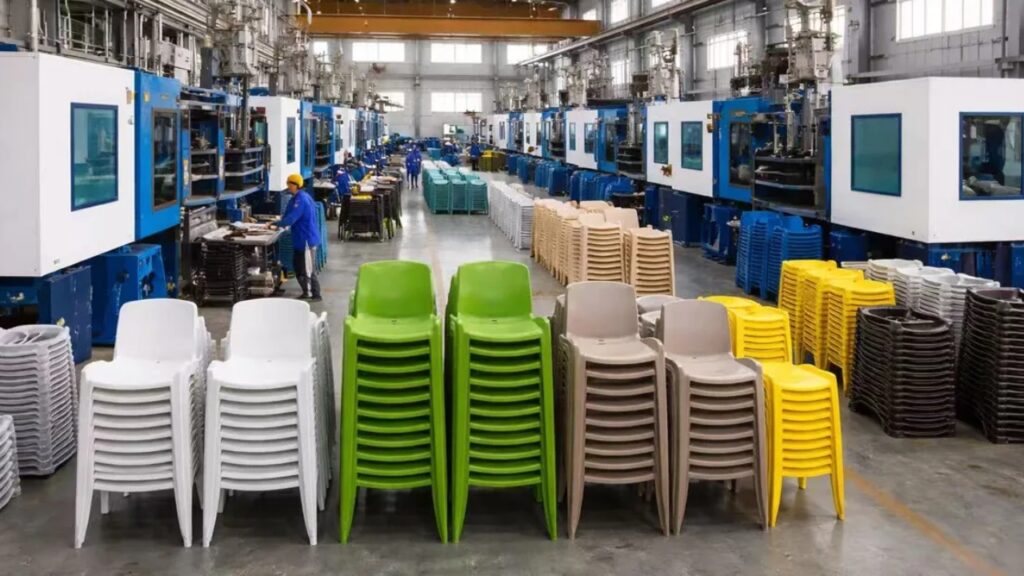
Plastic chair manufacture refers to the industrial process of producing chairs using thermoplastic resin injected into steel molds under high pressure. The dominant method is injection molding — a process that delivers consistent dimensions, fast cycle times, and low per-unit cost at scale.
For importers and distributors, the machine behind the chair matters. A factory running an under-powered or poorly maintained plastic chair making machine will produce parts with sink marks, warping, or inconsistent wall thickness. These defects only show up after your shipment clears customs.
Understanding the production process gives you leverage when qualifying suppliers and negotiating quality agreements.
How Plastic Chair Injection Molding Actually Works
The Core Process: From Granule to Chair
- Resin feeding — Polypropylene (PP) or polyethylene (PE) granules are loaded into the hopper.
- Plasticizing — The screw heats and melts the resin to the correct viscosity.
- Injection — Molten plastic is injected into the steel mold cavity under pressure.
- Cooling — The mold is held closed while the part solidifies (typically 20–45 seconds).
- Ejection — Ejector pins push the finished chair out of the mold.
- Trimming and inspection — Runners are removed; parts are checked for defects.
The entire cycle — from injection to ejection — runs between 35 and 90 seconds for a standard stackable chair, depending on chair weight, wall thickness, and mold cooling efficiency.
What Tonnage Do You Need for Chair Production?
Clamping force is the spec that determines whether a machine can hold a mold closed during injection. Go too low, and the mold flashes. Go too high, and you’re paying for energy and machine capacity you don’t need.
For plastic chair manufacture, most factories use machines in the 300–1000 ton range. Here’s a general reference:
| Chair Type | Approximate Weight | Recommended Tonnage |
| Lightweight stackable (PP) | 1.2–1.8 kg | 300–500 ton |
| Standard dining chair | 1.8–2.8 kg | 500–800 ton |
| Heavy-duty outdoor chair | 2.8–4.5 kg | 800–1200 ton |
| Multi-cavity chair molds | Varies | 1000–2000 ton |
Running the wrong tonnage is one of the most common reasons factories produce chairs with flash lines, poor surface finish, or short shots on legs and armrests.
Choosing the Right Plastic Chair Making Machine
Not all injection molding machines are built for furniture-grade output. Chair molds are large, heavy, and demand precise clamping force control across wide platen surfaces.
Toggle vs. Hydraulic: Which Is Better for Chair Production?
| Feature | Toggle Clamp Machine | Hydraulic Machine |
| Energy efficiency | Higher (servo-driven) | Moderate |
| Clamping precision | Excellent for repeated cycles | Good, more adjustable |
| Cycle speed | Faster at high volumes | Slightly slower |
| Maintenance cost | Lower long-term | Higher (fluid, pumps) |
| Best use case | High-volume chair production | Large or complex chair molds |
For standard stackable chair production at volume, a servo-driven toggle clamp injection molding machine typically offers the best combination of speed and energy savings.
Why Machine Brand Matters More Than You Think
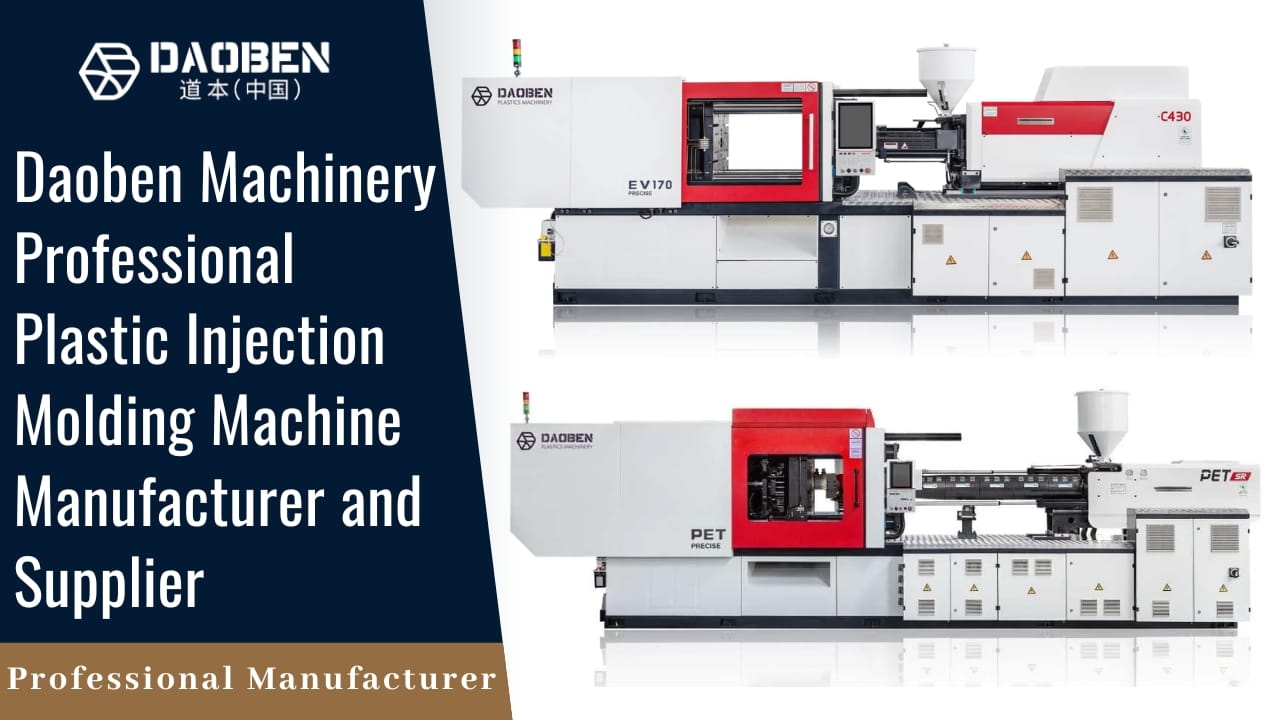
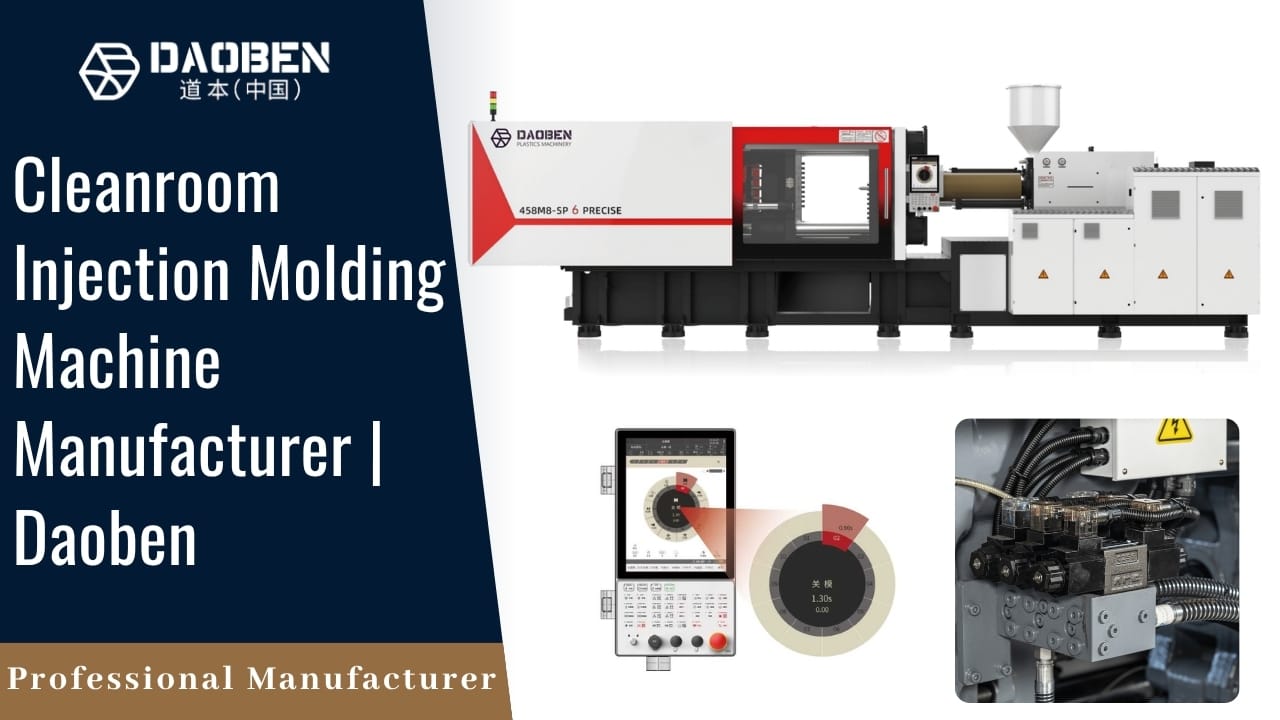
When you audit a supplier factory, check the machine nameplates. A factory running modern, well-maintained Daoben Plastic Molding Machine units will maintain tighter tolerances and lower scrap rates than one running decade-old unbranded equipment. The Daoben plastic chair making machine lineup covers 300 to 4000 tons, purpose-built for large mold applications including furniture. Servo-hydraulic systems reduce power consumption by 30–60% compared to conventional fixed-pump hydraulics — a cost that ultimately flows through to your FOB price.
Calculating the Real Cost of OEM Plastic Chair Manufacture
What Drives Per-Chair Cost?
Importers often focus on unit price, but the real cost of plastic chair manufacture includes:
- Resin price — PP fluctuates; locking in material specifications protects quality
- Cycle time — Every second saved on a 30-second cycle is a 3% throughput gain
- Scrap rate — A 2% scrap rate on a 100,000-unit order is 2,000 wasted chairs
- Mold amortization — One-time tooling cost spread across total units produced
- Energy cost — Older machines consume 2–3× more power per cycle
You can explore a detailed breakdown of how machine specs impact total landed cost in the injection machine price breakdown guide.
Typical Mold Cost for Chair Production
- Simple stackable chair mold: $8,000–$18,000
- Dining chair with backrest detail: $15,000–$30,000
- Multi-cavity chair mold (2–4 cavities): $25,000–$60,000+
Mold life on a steel P20 or H13 mold typically runs 500,000 to 1,000,000 shots. At a cycle time of 60 seconds, that’s roughly 8,300 shots per day — meaning full mold payback in under two months at volume production.
How to Qualify an OEM Plastic Chair Manufacturer
7 Questions to Ask Before You Place an Order
- What injection molding machine tonnage do you use for chair molds? — Verify it matches the part weight and projected area.
- Can you share cycle time data for similar chair projects? — Realistic factories have this data.
- What resin grades do you work with, and can you match our spec sheet? — This matters for food-contact or UV-stability requirements.
- What is your mold steel specification? — P20 for standard runs; H13 or S136 for longer runs or abrasive resins.
- How do you control process parameters between shifts? — Look for SPC (statistical process control) or documented shift logs.
- What is your average scrap rate for chair production? — Anything above 3% needs explanation.
- Can we inspect production during first article or first run? — A credible factory welcomes this.
What a Factory Audit Should Cover
- Machine condition and maintenance logs
- Mold storage and handling (rust, damage, improper storage kills mold life)
- Resin storage (moisture control matters — PP absorbs humidity)
- QC inspection stations and measurement tools
- Shipping and packaging process for fragile stacked chairs
OEM vs. ODM: What’s the Right Model for Your Business?
OEM (Original Equipment Manufacturing) means you provide the design and the factory produces to your spec. You own the mold. You control the design IP.
ODM (Original Design Manufacturing) means the factory has an existing chair design and you rebrand it. Lower upfront cost, faster time to market, less control.
For distributors building a private label or proprietary line, OEM is the better path — especially if you’re ordering 50,000+ units annually. The mold investment pays back quickly, and you’re not sharing a design with competitors sourcing from the same factory.
If you’re testing a new market with smaller quantities, ODM is practical. Many factories can produce from 5,000 units on an existing chair mold with your logo molded in.
Scaling Production: Multi-Cavity Molds and Machine Capacity Planning
Once your design is validated, the path to scaling runs through multi-cavity tooling and higher-tonnage machines.
A single-cavity 500-ton machine running at 60-second cycles produces roughly 1,440 chairs per day. A 2-cavity mold on the same machine doubles output with no increase in cycle time — cutting per-unit cost by nearly 40% after amortization.
At very high volumes, factories move to 800–1200 ton machines with 4-cavity molds, producing 5,000–6,000 chairs per day from a single press.
This is why understanding chair making machine price matters as much as the chair price itself. A factory running modern, efficient equipment can offer better pricing because their cost-per-shot is lower. Check the plastic injection molding machine price guide for current benchmarks across different tonnage ranges.
Common Quality Issues in Plastic Chair Manufacture (and How to Prevent Them)
| Defect | Likely Cause | Prevention |
| Warping / distortion | Uneven cooling, incorrect gate | Proper mold cooling, balanced runner |
| Sink marks on seat | Insufficient packing pressure | Optimize hold pressure and time |
| Flash on leg edges | Low clamp force or worn mold | Match tonnage; inspect parting line |
| Short shots on armrests | Low injection pressure or venting | Increase pressure, add vents |
| Color inconsistency | Resin mix, masterbatch dispersion | Standardize masterbatch ratio |
| Stress whitening | Gate stress, wall thickness issue | Adjust gate, review draft angles |
Addressing these issues at the sampling stage — before first production — saves significant cost. A competent plastic chair making machine operator should diagnose and resolve most of these within the first 50–100 trial shots.
Why the Machine Behind Your Chair Supplier Matters
This is the point most importers miss. You’re not just buying a chair. You’re buying into a production system.
A factory running a well-calibrated Daoben Plastic Molding Machine with proper tonnage for the mold size will deliver consistent dimensional tolerance (typically ±0.3mm on critical dimensions), predictable cycle times, and lower scrap rates than a factory running mismatched or poorly maintained equipment.
When you understand chair making machine price, spec, and capacity — you can have a much more substantive conversation with potential suppliers. You can push back when specs don’t add up. And you can make smarter decisions about which factories are worth developing as long-term partners.
Daoben Machinery manufactures injection molding machines from 30 to 4000 tons, supplying factories across Asia, Africa, South America, and Eastern Europe. Visit daobenmachinery.com to see the full machine lineup.
Frequently Asked Questions
Most factories require a minimum of 3,000–5,000 units per color per design to justify dedicated mold runs and setup time. If you’re working with an ODM design on an existing mold, some factories accept orders from 1,000–2,000 units.
A standard single-cavity chair mold typically takes 35–60 days from design approval to first trial samples. Complex designs with undercuts, textures, or multi-component assembly may take 60–90 days. Build mold lead time into your product launch timeline.
UV-stabilized polypropylene (PP) with 20–30% talc fill is standard for outdoor stackable chairs. For tropical climates or extended UV exposure, UV stabilizer masterbatch is added. Some manufacturers use HDPE for heavier outdoor furniture. Always specify the intended end-use environment in your purchase spec.
Request a factory audit or video walkthrough showing installed machine nameplates, mold inventories, and production schedules. Ask for the machine tonnage and shot weight specification for any mold proposed for your product. Cross-check tonnage against the projected area of the chair mold.
A new servo-hydraulic injection molding machine in the 500–800 ton range — suitable for standard chair production — typically costs between $45,000 and $120,000 USD depending on brand, features, and origin. Factories investing in modern equipment like Daoben machines generally reflect that in tighter quality control and better pricing at volume.
Ready to Build a Reliable Plastic Chair Supply Chain?
Daoben Machinery is the original manufacturer — not a trading company. We design and build injection molding machines from 30 to 4000 tons, used by plastic chair factories worldwide.
Whether you’re evaluating a supplier’s production capability, planning your own manufacturing setup, or simply want to understand the technical side of your supply chain — our engineers are ready to answer your questions directly.