
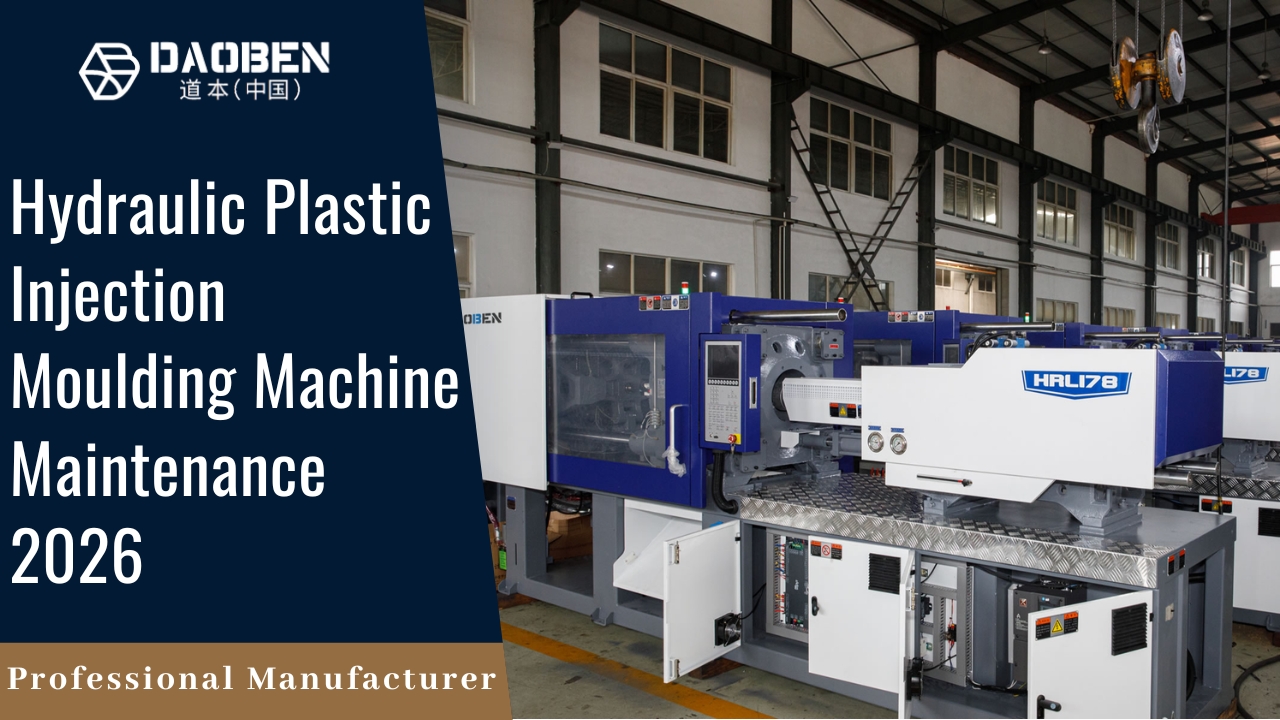
Your hydraulic plastic moulding machine just stopped mid-production. Parts are delayed. Deadlines are blown. Lost revenue stacks up by the hour. This nightmare scenario happens when you skip routine maintenance. The good news? Most breakdowns are preventable with a simple, systematic schedule that takes less time than dealing with emergency repairs.
Modern injection molding operations can’t afford unexpected downtime. A well-maintained hydraulic plastic moulding machine runs 15-20% more efficiently than a neglected one. Production quality stays consistent. Energy costs drop. Equipment lifespan extends by years.
This maintenance guide gives you a practical, monthly breakdown of essential tasks that keep your machines running smoothly through 2026 and beyond. Whether you operate a 30-ton benchtop unit or a 4000-ton industrial system, these maintenance protocols apply across the board.
Why Hydraulic Plastic Moulding Machines Require Structured Maintenance
Hydraulic systems operate under extreme pressure and temperature conditions. Hydraulic fluid degrades over time. Seals wear down. Filters clog. Small problems compound into catastrophic failures when ignored.
Consider the economics: a scheduled maintenance visit costs $200-500. An emergency breakdown? That runs $3,000-15,000 when you factor in rush parts, overtime labor, and lost production. The math speaks for itself.
Your hydraulic molding machine contains dozens of wear points that need regular inspection. Barrel heating elements. Check valves. Tie bars. Ejector pins. Limit switches. Each component plays a critical role in producing quality parts.
Manufacturing facilities that implement structured maintenance schedules report:
- 40% fewer emergency breakdowns
- 25% reduction in energy consumption
- 30% longer equipment service life
- 60% decrease in scrap rates from quality issues

Daily Maintenance Tasks That Prevent Major Problems
Start every shift with a quick visual inspection. Look for hydraulic fluid leaks around hoses, fittings, and cylinder rods. Check oil levels in the reservoir. Verify that cooling water flows properly through heat exchangers.
Clean the mold area between production runs. Plastic residue buildup causes hot spots that damage temperature control. Wipe down tie bars with a lint-free cloth. Apply light lubricant to prevent rust and ensure smooth mold movement.
Listen to your machine. Unusual noises signal developing problems. A whining hydraulic pump may indicate cavitation from low fluid levels. Grinding sounds during mold opening suggest misaligned platens or worn guide pins.
Monitor cycle times throughout the day. A hydraulic plastic moulding machine that suddenly takes longer to complete cycles may have declining pump efficiency or restricted fluid flow. Document these changes in your maintenance log.
Quick Daily Checklist
- Inspect hydraulic hoses for cracks, bulges, or leaks
- Check oil level and top off if needed
- Verify proper cooling water temperature (typically 15-35°C)
- Clean safety gates and emergency stops
- Test emergency stop function
- Remove plastic flash and debris from mold area
- Check barrel temperature displays match setpoints
Weekly Maintenance Protocol for Optimal Performance
Dedicate 30-45 minutes each week to deeper inspection tasks. Check hydraulic filter pressure differential. When the gauge shows more than 10 PSI difference between inlet and outlet, change the filter. Dirty filters restrict flow and force pumps to work harder.
Inspect safety interlocks and limit switches. These devices prevent injuries and equipment damage. Test each interlock by opening safety gates during a dry cycle. The machine should stop immediately. If response seems slow, adjust or replace the switch.
Examine the barrel and nozzle area for plastic buildup or discoloration. Brown or black streaks indicate degraded material from prolonged heat exposure. Purge the barrel with cleaning compound if you notice contamination.
Lubricate moving parts according to your machine’s specifications. Tie bars need regular greasing to maintain smooth platen movement. Use the grease type specified by your manufacturer—mixing incompatible lubricants causes problems.
| Weekly Task | Time Required | Warning Signs to Watch |
|---|---|---|
| Check hydraulic filter differential | 5 minutes | Pressure difference >10 PSI |
| Test all safety interlocks | 10 minutes | Delayed response or failure to stop |
| Inspect barrel for contamination | 5 minutes | Discolored plastic or streaking |
| Lubricate tie bars | 15 minutes | Jerky platen movement or grinding noise |
| Clean hopper and dryer filters | 10 minutes | Material flow restrictions |
| Check cooling system connections | 5 minutes | Water leaks or reduced flow |
Monthly Deep Maintenance for Your Hydraulic Molding Machine
Monthly maintenance catches issues before they cause breakdowns. Pull and inspect hydraulic filters even if pressure differential seems normal. Sediment accumulates in filter media before it shows up on gauges.
Test hydraulic oil quality using test strips or lab analysis. Oil breaks down from heat and water contamination. Degraded oil provides poor lubrication and causes premature pump wear. Change oil when viscosity drops below specification or contamination exceeds acceptable levels.
Calibrate temperature controllers and pressure sensors. Drift happens gradually. A barrel zone reading 5°C low doesn’t trigger alarms but ruins part quality. Use calibrated test equipment to verify sensor accuracy.
Inspect electrical connections in the control cabinet. Loose terminals create resistance that generates heat. Check for discolored wires, burned insulation, or corrosion on contacts. Tighten all connections to torque specifications.
Clean the hydraulic reservoir. Drain a small sample from the tank bottom. If you see water, metal particles, or sludge, schedule a complete oil change and tank cleaning. Contaminated hydraulic fluid causes 75% of hydraulic system failures.
Consider the relationship between maintenance and hydraulic molding machine price. Proper care protects your investment. A well-maintained 500-ton machine retains higher resale value and operates more efficiently than a neglected unit, saving thousands annually in operating costs.

Quarterly Maintenance: The Deep Dive Your Equipment Needs
Every three months, dedicate time for comprehensive system evaluation. This prevents the gradual performance decline that operators often don’t notice day-to-day.
Pressure test the hydraulic system. Compare actual pressures against specifications at various points in the cycle. Declining injection pressure indicates pump wear or internal valve leakage. Document readings for trend analysis.
Inspect mold clamping mechanism thoroughly. Check parallelism between moving and fixed platens using dial indicators. Misalignment causes uneven mold wear and flash problems. Adjust tie bar nuts to restore proper alignment.
Examine all hydraulic hoses beyond visual inspection. Replace any hose over 5 years old, regardless of appearance. Hose failure causes dangerous oil spray and immediate shutdown. Prevention costs less than emergency replacement.
Clean and inspect the hopper dryer if your process requires dried material. Desiccant beds lose efficiency over time. Check airflow, temperature, and dew point. Replace desiccant when regeneration cycles take longer than normal.
A hybrid injection moulding machine requires additional attention to servo motors and drive systems during quarterly maintenance. These systems benefit from specialized care beyond standard hydraulic components.
Semi-Annual and Annual Maintenance Requirements
Twice yearly, change hydraulic oil regardless of visual appearance. Fresh oil contains additives that prevent oxidation, wear, and foam. These additives deplete even when oil looks clean.
Schedule complete barrel and screw inspection annually. Remove the barrel assembly and examine the screw for wear patterns. Worn flights reduce mixing efficiency and shot consistency. Check the non-return valve for leakage and proper seating.
Professional calibration of all sensors and controllers should happen yearly. Temperature controllers, pressure transducers, and position sensors all drift over time. Factory-certified calibration ensures accurate process control.
Disassemble and inspect the hydraulic pump. Internal wear isn’t visible during operation but shows up in reduced efficiency and increased operating temperature. Replace worn components before complete failure occurs.
| Maintenance Interval | Critical Tasks | Expected Cost Range |
|---|---|---|
| Semi-Annual (6 months) | Full hydraulic oil change, hose replacement program, complete electrical inspection | $800-2,000 |
| Annual (12 months) | Barrel/screw inspection, sensor calibration, pump overhaul assessment, safety system certification | $2,000-5,000 |
| Bi-Annual (24 months) | Major overhaul evaluation, control system upgrade assessment, complete mechanical rebuild if needed | $5,000-15,000 |
Creating Your Custom Maintenance Schedule
Every facility operates differently. A three-shift operation running 24/7 needs more frequent maintenance than a single-shift plant. Adjust intervals based on operating hours rather than calendar time.
Document everything. Modern production management requires detailed maintenance records. Track what you did, when you did it, and what you found. This data reveals patterns that predict future problems.
Use your machine’s hour meter to schedule maintenance by actual run time. A machine running 16 hours daily needs monthly maintenance every 2-3 weeks. Convert calendar-based schedules to hour-based intervals for accuracy.
Train operators to recognize early warning signs. The person running the machine daily notices subtle changes before anyone else. Empower them to report concerns without fear of blame.
Consider environmental factors in your facility. High humidity accelerates oil contamination. Dusty conditions clog filters faster. Extreme temperatures stress hydraulic components. Adjust maintenance frequency accordingly.
Learn from medical injection molders who maintain rigorous schedules for regulatory compliance. Their protocols work equally well for general manufacturing.
Understanding Maintenance Costs vs. Replacement Economics
Maintenance isn’t optional if you want equipment longevity. Annual maintenance typically costs 2-4% of equipment purchase price. That investment protects the other 96-98% of your capital.
Compare this to replacement scenarios. A new hydraulic plastic moulding machine costs $50,000-500,000 depending on tonnage and features. Proper maintenance extends useful life from 15 to 25+ years. That’s a decade of additional production value.
Neglected machines fail prematurely. Major repairs—hydraulic pump replacement, barrel refurbishment, control system overhaul—often cost 30-40% of new machine price. Multiple repairs within a few years signal replacement time.
Smart buyers evaluate total cost of ownership when purchasing equipment. High-precision injection molding applications demand machines that maintain tight tolerances throughout their service life. Maintenance makes that possible.
Budget realistically for both routine and unexpected repairs. Set aside 5-7% of equipment value annually. This covers scheduled maintenance plus a buffer for unplanned issues. Facilities that underfund maintenance face bigger expenses later.
Troubleshooting Common Hydraulic Plastic Moulding Machine System Issues
Recognizing problems early prevents extensive damage. Here are issues your maintenance schedule should catch:
Slow cycle times indicate declining pump efficiency or internal leakage. Check pump pressure and flow rate against specifications. Inspect cylinder seals for bypass.
Erratic injection speed suggests contaminated hydraulic fluid or failing proportional valves. Test oil quality and clean/replace valve cartridges as needed.
Excessive noise from the hydraulic pump means cavitation, typically from low oil level or restricted inlet filter. Check reservoir level and suction screen condition.
Overheating oil points to undersized cooling capacity, restricted flow, or internal friction from contaminated fluid. Verify heat exchanger cleanliness and oil quality.
Inconsistent shot size often traces to worn non-return valve, allowing material to flow backward during injection. Inspect valve seating surfaces and replace if scored.
Modern diagnostic tools help pinpoint problems quickly. Thermal imaging cameras reveal hot spots. Vibration analyzers detect bearing wear. Oil particle counters identify contamination before it causes damage.

Selecting the Right Maintenance Partner
Not every task requires specialized expertise. Operators handle daily and weekly checks. Monthly tasks need trained maintenance technicians. Quarterly and annual work often benefits from manufacturer-certified service.
When searching for molding machine injection for sale near me, consider the seller’s service network. Local support matters when you need emergency assistance or routine maintenance.
Manufacturer service offers advantages. Factory-trained technicians know your equipment intimately. They stock genuine parts. Their work often includes warranty coverage on repairs.
Independent service providers cost less but vary in quality. Verify experience with your specific machine brand and model. Check references from similar manufacturing operations.
Develop relationships with multiple service options. Primary provider for routine work. Backup for emergencies. Parts suppliers for common consumables. This network ensures you’re never stuck waiting for help.
Maintenance Technology and Digital Tools for 2026
Predictive maintenance transforms how facilities manage equipment. Sensors monitor vibration, temperature, and pressure continuously. Artificial intelligence algorithms detect patterns that signal developing problems.
Maintenance management software tracks tasks, stores documentation, and schedules upcoming work automatically. Mobile apps let technicians access equipment history and procedures from anywhere on the plant floor.
Augmented reality troubleshooting guides overlay instructions onto actual equipment through smart glasses or tablets. Technicians see exactly where to measure, what to adjust, and how to replace components.
Cloud-based monitoring connects your machines to manufacturer support networks. Engineers access real-time data remotely and recommend adjustments before issues become critical. This service level wasn’t available even five years ago.
External resources like injection molding machine buyers guide 2025 and injection molding machine prices in 2025 provide valuable context for maintenance investment decisions.
Environmental Considerations in Hydraulic Maintenance
Proper hydraulic fluid disposal isn’t optional. Environmental regulations require documented handling of used oil. Partner with certified waste oil recyclers who provide disposal certificates.
Minimize hydraulic leaks to protect workplace safety and the environment. Even small leaks waste expensive fluid and create slip hazards. Address any leak within 24 hours of discovery.
Consider switching to biodegradable hydraulic fluids for environmentally sensitive applications. These fluids cost more but reduce liability if leaks occur. They work well in many injection molding applications.
Recycling programs for hydraulic hoses, filters, and other components reduce waste. Many suppliers offer take-back programs. Participate when available to support sustainability goals.
Energy efficiency improves with proper maintenance. A well-maintained hydraulic molding machine uses less electricity to produce the same output. This reduces both operating costs and carbon footprint.
Building a Maintenance Culture in Your Facility
Equipment reliability starts with organizational commitment. Management must allocate time and resources for proper maintenance. Rushed work and deferred maintenance create bigger problems.
Recognize and reward proactive maintenance behavior. Operators who spot problems early deserve acknowledgment. Technicians who prevent breakdowns contribute as much as those who fix them.
Continuous training keeps skills current. Hydraulic technology evolves. New diagnostic techniques emerge. Control systems advance. Invest in education for maintenance teams.
Document procedures in clear, visual formats. Photos and videos work better than text-heavy manuals. Create quick reference guides for common tasks. Store procedures where technicians can access them easily.
Regular equipment reviews bring operators, maintenance, and management together. Discuss recurring problems. Brainstorm improvements. Share lessons learned. This collaborative approach prevents finger-pointing and focuses on solutions.
Choosing Quality Equipment That’s Easier to Maintain
When purchasing new injection molding machines, maintainability should influence your decision. Well-designed equipment provides easy access to service points. Critical components mount where technicians can reach them safely.
Quality manufacturers design for longevity. Better materials resist wear. Robust construction handles stress better. Premium components need less frequent replacement.
Standardization simplifies maintenance across multiple machines. Similar control systems mean one set of spare parts works for your entire fleet. Technicians develop expertise faster when equipment is consistent.
Documentation quality matters enormously. Comprehensive manuals with clear diagrams help troubleshooting. Electrical schematics, hydraulic circuits, and parts lists should be detailed and accurate.
Support availability determines long-term viability. Can you get parts in 24 hours? Are service technicians nearby? Does the manufacturer update control software? These factors affect total cost of ownership significantly.
Your Next Steps: Implementing This Maintenance Schedule
Start by assessing your current maintenance practices. Document what you do now versus what this schedule recommends. Identify gaps that need addressing.
Prioritize high-impact tasks first. Daily visual inspections and weekly filter checks prevent most breakdowns. Implement these immediately even if you can’t do everything at once.
Create simple checklists for each maintenance interval. List specific tasks, expected time, and required tools. Make these accessible to everyone involved in maintenance.
Schedule maintenance during planned downtime when possible. Combining maintenance with mold changes or material switches minimizes production impact. Plan annual deep maintenance during facility shutdowns.
Track results as you implement improvements. Monitor downtime frequency and duration. Measure maintenance costs. Document quality improvements. These metrics justify continued investment in proactive maintenance.
Protecting Your Manufacturing Investment
A structured maintenance schedule transforms your hydraulic plastic moulding machine from a potential problem into a reliable production asset. The time and money you invest in prevention returns multiples in avoided breakdowns, consistent quality, and extended equipment life.
Manufacturing success requires attention to details that others overlook. Your competition might skip scheduled maintenance to save short-term costs. You know better. Properly maintained equipment runs when you need it, produces quality parts, and serves your facility for decades.
Start implementing this maintenance schedule today. Your future self—and your profit margins—will thank you.
Partner With a Manufacturer That Supports Your Success
At Daoben Machinery, we understand that purchasing a hydraulic plastic moulding machine is just the beginning. Our commitment extends throughout your equipment’s entire lifecycle. As the original manufacturer of injection molding machines from 30 to 4000 tons, we design our equipment for longevity and ease of maintenance.
Every machine we produce comes with comprehensive documentation, maintenance schedules tailored to your operating conditions, and access to our technical support team. We don’t just sell equipment—we partner with you for long-term manufacturing success.
Ready to discuss your injection molding needs? Our engineering team can recommend the right machine specifications for your application and help you plan a maintenance program that protects your investment. Visit our injection molding machine solutions page or contact us directly for a consultation.
Experience the difference that comes from working directly with the manufacturer. No middlemen. No markup. Just expert guidance and reliable equipment backed by our decades of injection molding expertise.

