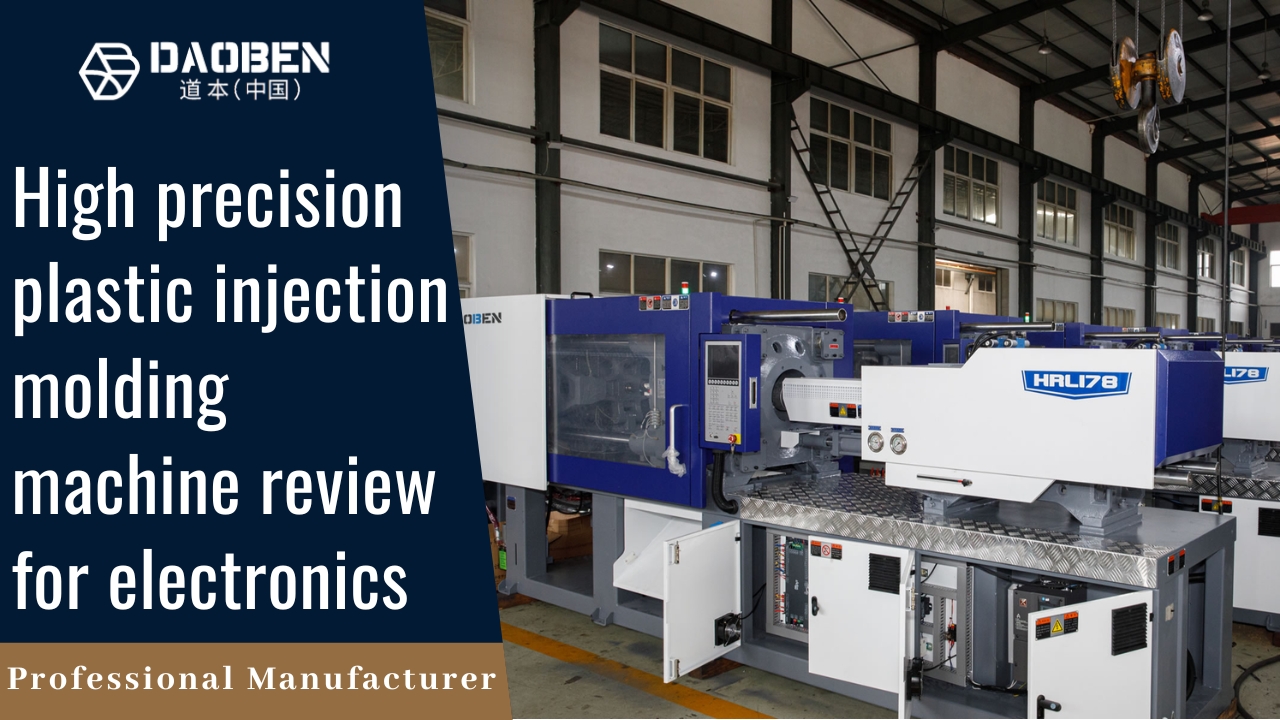
Electronics parts fail when tolerances miss by microns. Your production line stops. Clients complain. Orders get delayed. High precision injection molding solves this problem by holding tolerances within ±0.01mm consistently. The right machine means fewer defects, faster cycles, and parts that fit perfectly every time.
What is High Precision Injection Molding?
High precision injection molding creates plastic components with extremely tight dimensional accuracy. These machines maintain tolerances that standard equipment simply cannot achieve. Electronics manufacturing demands this level of precision because connectors, housings, and internal components must fit together perfectly.
The process involves several critical factors. Shot-to-shot repeatability ensures every part matches the last. Temperature control systems maintain plastic flow characteristics within narrow ranges. Clamping force distributes evenly across the mold surface. Injection speed and pressure follow programmable profiles that adapt to material behavior.
Modern precision equipment includes servo-driven systems that respond in milliseconds. Position sensors track every movement of the injection screw and mold platens. Closed-loop control adjusts parameters automatically when deviations occur. This level of control separates precision machines from conventional injection molding equipment.
Electronics manufacturers rely on these capabilities because their components have strict requirements. Mobile phone housings need perfect surface finish and dimensional accuracy. Connector pins must align within microns. Medical device enclosures require consistent wall thickness and zero contamination. Standard machines cannot deliver these results reliably.
Why Electronics Manufacturing Needs Precision Plastic Molding
Electronics components have gotten smaller and more complex. A smartphone contains hundreds of precisely molded plastic parts. Each part must fit perfectly with others. Even small variations cause assembly problems, functional failures, or aesthetic defects.
Consider a USB connector housing. The internal dimensions must hold tolerances of ±0.02mm or the metal pins won’t align properly. The exterior surface needs to be smooth and consistent for user experience. Wall thickness affects durability and heat dissipation. Only precision plastic molding equipment can maintain these specifications across millions of parts.
Battery compartments present another challenge. These housings must seal properly to prevent moisture ingress. Dimensional accuracy affects how well gaskets compress and seal. If the molding machine cannot repeat dimensions consistently, you’ll see high rejection rates during quality inspection.
Camera modules, speaker grilles, charging port covers, and button assemblies all require the same level of precision. These components define how consumers perceive product quality. Manufacturers cannot afford inconsistency in these visible, functional parts.
Temperature stability during molding affects material properties in the finished part. Precision equipment maintains barrel temperatures within ±1°C. This control prevents material degradation and ensures consistent flow behavior. The result is parts with uniform mechanical properties and appearance.

Top 7 High Precision Injection Molding Machines Reviewed
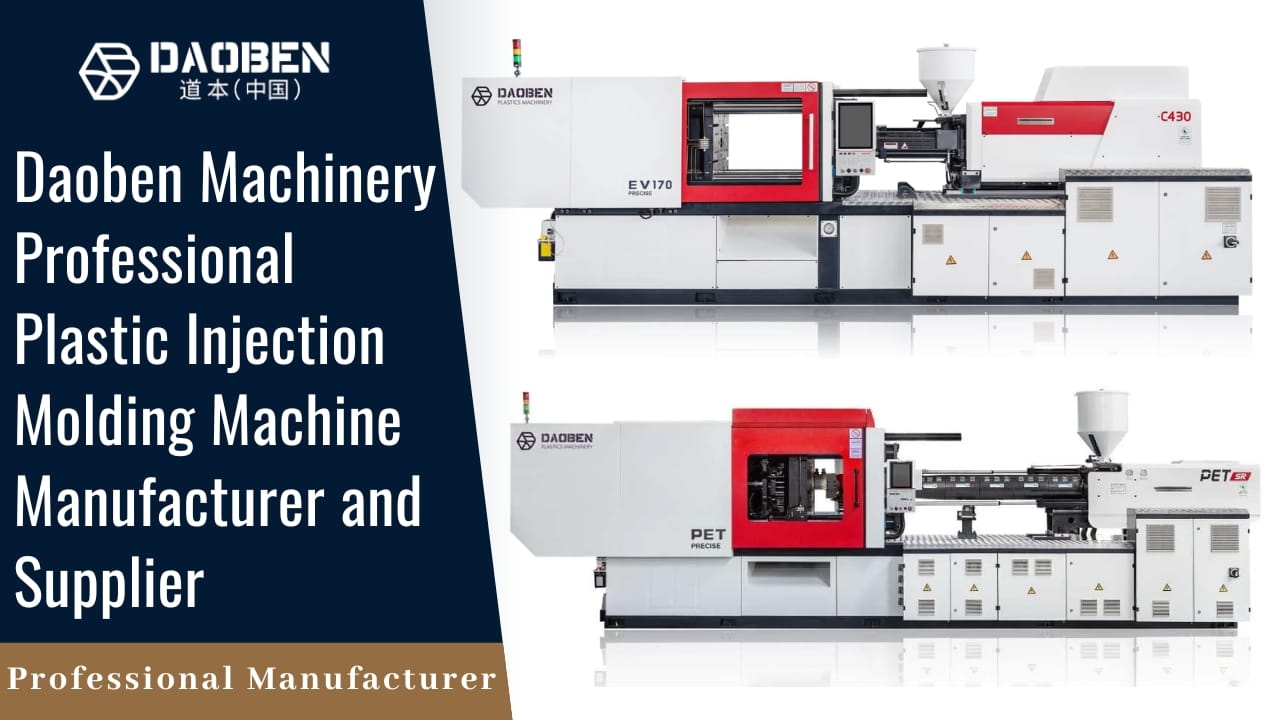
Daoben Machinery High-Precision Series
Our company manufactures precision injection molding machines from 30 to 4000 tons of clamping force. These machines incorporate servo-hydraulic technology that balances precision control with robust clamping force. The systems deliver repeatability within ±0.015mm across production runs lasting thousands of cycles.
Each machine includes a five-zone barrel with independent temperature control. Heating elements respond quickly to maintain stable processing temperatures. The injection screw features a barrier-flight design that improves mixing and reduces residence time. This design works well with engineering resins commonly used in electronics applications.
The clamping system uses proportional valves that control opening and closing speeds precisely. Mold protection features prevent damage if foreign objects enter the mold area. Tie bar strain gauges monitor clamping force in real-time, ensuring even pressure distribution across all four corners of the mold.
Our control systems store up to 1000 molding recipes in memory. Recipe recall takes seconds, making changeovers faster when switching between different electronic components. Process parameters display on a 15-inch touchscreen with intuitive navigation. Operators can adjust settings easily without extensive training.
We’ve integrated predictive maintenance algorithms that track component wear patterns. The system notifies maintenance teams before failures occur, reducing unplanned downtime. Proper maintenance of clamping units extends machine life and maintains precision over time.
Our machines include comprehensive safety systems that meet international standards. Light curtains protect operators during mold changes. Emergency stop circuits respond within milliseconds. Interlocks prevent mold movement when safety guards are open.
JSW Injection Molding Machine Series
JSW produces all-electric and hybrid machines specifically designed for precision work. Their electric series offers positioning accuracy of ±0.01mm and injection speed control that responds in 0.001-second increments. These machines work well for thin-wall electronics housings and micro-molding applications.
The company’s hybrid models combine hydraulic clamping with electric injection. This design provides the clamping force needed for larger parts while maintaining precise injection control. Energy consumption drops by 30-50% compared to full hydraulic systems. Cycle times improve because servo motors accelerate and decelerate faster than hydraulic systems.
JSW machines include advanced process monitoring. Real-time graphs show injection pressure, screw position, and cavity pressure throughout each cycle. The control system stores this data for quality documentation and process optimization. If parameters drift outside set tolerances, the machine alerts operators immediately.
Maintenance intervals extend because electric systems have fewer wear components than hydraulic machines. No hydraulic oil means cleaner production environments, which matters in electronics manufacturing where contamination causes defects.
Sumitomo Injection Molding Machine Technology
Sumitomo specializes in all-electric machines with direct-drive systems. Their SE-D series eliminates toggle mechanisms in favor of direct-drive platens. This design reduces mechanical complexity and improves parallelism between mold halves. Better parallelism means more uniform cavity filling and consistent part dimensions.
The injection unit uses a two-stage screw design that improves mixing and temperature uniformity. This matters when molding technical resins that require precise processing conditions. Temperature zones along the barrel maintain ±0.5°C stability, which prevents material degradation during long production runs.
Sumitomo’s control system includes cavity pressure monitoring as standard equipment. Pressure sensors in the mold provide real-time feedback about how material fills each cavity. The controller adjusts injection parameters automatically to maintain target pressure profiles. This capability reduces setup time and improves first-article success rates.
The machines operate quietly compared to hydraulic equipment. Noise levels stay below 70 decibels during production. This creates better working conditions for operators and makes communication easier on the factory floor.
Comparison: Key Features Across Top Manufacturers
| Feature | JSW Electric | Sumitomo SE-D | Daoben Servo-Hydraulic |
|---|---|---|---|
| Positioning Accuracy | ±0.01mm | ±0.01mm | ±0.015mm |
| Temperature Control | ±1°C | ±0.5°C | ±1°C |
| Energy Savings vs Hydraulic | 40-50% | 50-60% | 30-40% |
| Noise Level | <70 dB | <70 dB | <75 dB |
| Clamping Force Range | 50-650 tons | 35-550 tons | 30-4000 tons |
| Process Monitoring | Standard | Advanced Cavity | Real-time Multi-point |
| Typical Cycle Time (50g part) | 12-15 sec | 11-14 sec | 13-16 sec |
European Precision Equipment Options
German and Swiss manufacturers produce some of the most accurate injection molding machines available. These machines often incorporate features like:
- Mold temperature control systems with ±0.3°C stability
- Multi-component injection capabilities for complex assemblies
- Clean room compatibility for medical and optical components
- Advanced material handling systems with desiccant dryers
European machines typically cost 40-60% more than Asian equivalents. The premium pays for tighter manufacturing tolerances, proprietary control systems, and extensive documentation. For ultra-critical applications like medical implantable devices or aerospace components, this investment makes sense.
However, most electronics manufacturing applications don’t require this extreme level of capability. Asian manufacturers have closed the performance gap significantly in recent years while maintaining more competitive pricing.
Asian Market Leaders
Several other Asian manufacturers produce capable precision equipment. Taiwanese brands offer good value with proven reliability. Chinese manufacturers have improved quality substantially and now compete effectively in the precision segment.
When evaluating these options, focus on:
- Actual delivered accuracy rather than specified capability
- Service network and spare parts availability in your region
- Training and documentation quality
- References from similar applications in electronics manufacturing
Price differences can be substantial. Asian machines often cost 30-50% less than Japanese equivalents with similar specifications. This makes them attractive for manufacturers balancing capital investment with production requirements.
Small-Format Precision Machines
Micro-molding requires specialized equipment. These machines handle shot sizes from 0.1 to 10 grams with extreme precision. Features include:
- High injection pressure (up to 3000 bar) for thin-wall parts
- Miniature clamping units that fit precision molds
- Clean room construction with air filtration
- Microscope-compatible tie bar spacing for quality inspection
Electronics manufacturers use these machines for connectors, switches, and micro-components. The machines occupy less floor space and consume less energy than standard equipment. However, they’re limited to small parts and cannot handle larger housings or structural components.
How to Select the Right Precision Molding Equipment
Assessing Your Production Requirements
Start by analyzing your component specifications. What tolerances do your parts require? Electronics housings typically need ±0.05mm to ±0.1mm dimensional accuracy. Internal connectors and functional components often require ±0.02mm or tighter. Understanding these requirements helps narrow equipment choices.
Calculate your annual production volume. Machines with faster cycle times and better reliability make sense for high-volume production. If you’re producing millions of parts annually, cycle time differences of even 2-3 seconds per part significantly impact total output and cost per piece.
Consider your material requirements. Engineering resins like POM, PA, and PC require precise processing conditions. Some materials are abrasive and wear out screws and check valves faster. Others are corrosive and need special coatings or material compatibility. Match machine specifications to your material portfolio.
Evaluate your current and planned product mix. Will you mold one component continuously, or will you change over between different parts regularly? Machines with quick mold change systems and fast recipe recall work better for mixed production environments.
Technical Specifications That Matter
Shot size capacity affects how efficiently machines operate. Running a machine at 20-80% of maximum shot capacity provides optimal control and energy efficiency. Oversized machines waste energy. Undersized machines cannot maintain consistent process conditions.
Clamping force must exceed the separating force generated during injection. Calculate the projected area of your parts and multiply by typical injection pressure (50-100 MPa for most thermoplastics). Add 20-30% safety margin. This calculation determines minimum required tonnage.
Injection speed capability matters for thin-wall parts. These components require fast injection to fill before the material solidifies. Look for machines that can achieve 300-500 mm/second injection speed with precise control throughout the range.
Screw design affects material processing quality. Barrier-flight screws work well for general-purpose resins. Vented barrels help remove moisture from hygroscopic materials. Special screw geometries optimize performance with specific material families.
Lubrication systems affect long-term reliability and maintenance costs. Automatic centralized systems reduce maintenance time and prevent premature wear. Some machines use oil-free systems for clean room applications.
Cost Considerations and ROI
Initial purchase price represents only part of total ownership cost. Consider:
Energy consumption: Electric and servo-hydraulic machines save 30-50% on energy compared to full hydraulic systems. At current electricity rates, this can amount to thousands of dollars annually per machine.
Maintenance costs: Machines with fewer wear components reduce spare parts expenses and maintenance labor. Downtime for repairs directly impacts production capacity and delivery schedules.
Scrap rates: Higher precision reduces defect rates during production. Even a 1% reduction in scrap rate significantly improves profitability on high-volume parts.
Setup time: Faster changeovers between jobs improve equipment utilization. Machines with stored recipes and quick-connect mold interfaces reduce setup from hours to minutes.
Quality documentation: Integrated process monitoring reduces manual quality checks and provides data for customer audits. This saves labor costs and improves customer confidence.
Calculate payback period based on your specific production parameters. Equipment prices vary significantly depending on specifications and features. Most manufacturers see ROI within 2-4 years when switching from older equipment to modern precision machines.
Service and Support Infrastructure
Local service capability matters more than most buyers initially realize. When a machine stops producing, every hour of downtime costs money. Having trained technicians nearby reduces response time and gets production running again faster.
Ask potential suppliers about:
- Average response time for service calls in your region
- Availability of common spare parts in local inventory
- Training programs for your maintenance staff and operators
- Remote diagnostic capabilities that speed troubleshooting
Some manufacturers provide excellent equipment but have limited service networks. This creates risk if you experience problems. Others maintain extensive support infrastructure that minimizes downtime risk.

Optimizing Performance of High Precision Injection Molding Machine
Process Development Best Practices
Start with proper material drying. Hygroscopic resins absorb moisture from air, which causes defects during molding. Drying to manufacturer specifications prevents bubbles, surface defects, and dimensional inconsistencies. Use desiccant dryers that maintain dew points below -40°C for best results.
Develop systematic process windows for each part. Vary injection speed, packing pressure, cooling time, and other parameters to understand how they affect dimensions and appearance. Document successful settings in detailed process sheets. This knowledge speeds troubleshooting when problems occur.
Use scientific molding principles to optimize cycle time without sacrificing quality. Many molders run slower cycles than necessary because they haven’t studied actual cooling requirements. Gate seal studies reveal when you can start the cooling timer, often allowing 10-30% cycle time reduction.
Implement cavity pressure monitoring when possible. Pressure sensors provide direct feedback about process consistency. You can detect problems before producing defective parts. Many precision machines include provisions for installing these sensors.
Maintenance Programs That Extend Equipment Life
Create preventive maintenance schedules based on manufacturer recommendations. Regular maintenance prevents unexpected failures and maintains machine accuracy over time. Key maintenance tasks include:
Daily checks: Verify hydraulic oil levels, inspect hoses for leaks, confirm all safety systems operate correctly, clean hopper and feed throat areas.
Weekly tasks: Check and record hydraulic oil temperature, inspect heating band condition, verify all cooling circuits flow properly, calibrate material dryer dew point.
Monthly maintenance: Change hydraulic filters, inspect and clean mold mounting surfaces, check tie bar lubrication, verify safety sensor alignment.
Quarterly service: Complete oil analysis to check for contamination or degradation, inspect valve operation and adjust if needed, check and record all temperature zones for accuracy, verify injection unit positioning accuracy.
Annual overhaul: Replace worn seals and gaskets, recalibrate all sensors and measurement systems, inspect barrel and screw for wear, update control system software if available.
Keep detailed maintenance records. Track parts replacement, repairs performed, and any recurring issues. This data helps predict future maintenance needs and identifies patterns that could indicate deeper problems.
Quality Control Integration
Modern precision machines generate substantial process data. Integrate this information with your quality management system. Store injection pressure curves, temperature profiles, and cycle time data for every production run. When quality issues arise, this historical data helps identify when problems started and what changed.
Set up statistical process control (SPC) charts for critical dimensions. Automated measurement systems feed data directly into SPC software. The system alerts operators when dimensions trend toward specification limits, allowing corrective action before producing scrap.
Implement first-article inspection procedures when starting production or after maintenance. Verify that all critical dimensions meet specifications before committing to full production runs. This prevents producing large batches of defective parts.
Training and Skill Development
Invest in operator training. Precision equipment requires more knowledge than conventional machines. Operators should understand how different parameters affect part quality. They need to recognize early warning signs of problems before quality suffers.
Cross-train multiple operators on each machine. This flexibility prevents production disruptions when key personnel are unavailable. It also helps operators learn from each other’s experience and problem-solving approaches.
Regular training updates keep skills current as technology evolves. Many machine manufacturers offer advanced courses on process optimization, maintenance, and troubleshooting. These programs pay for themselves through improved uptime and quality.

Future Trends in High Precision Injection Molding Technology
Industry 4.0 Integration
Smart factories connect equipment through networks that share real-time data. Injection molding machines communicate with material handling systems, quality inspection stations, and manufacturing execution systems. This integration provides complete visibility into production status and enables data-driven decision making.
Predictive maintenance systems analyze sensor data to forecast component failures before they occur. Machine learning algorithms identify patterns that indicate developing problems. Maintenance teams receive alerts days or weeks before failures would happen, allowing planned interventions that minimize production impact.
Digital twins create virtual models of physical machines and processes. Engineers test process changes in simulation before implementing them in production. This reduces trial-and-error experimentation and accelerates new product launches.
Material and Design Innovations
New engineering resins offer improved properties for electronics applications. Materials with enhanced heat resistance allow components to withstand higher operating temperatures. Flame-retardant formulations meet increasingly strict safety standards without compromising mechanical properties.
Bioplastics and recycled resins address sustainability concerns. Electronics manufacturers face pressure to reduce environmental impact. Precision molding equipment adapts to process these materials while maintaining tight tolerances and quality standards.
Design software continues advancing with generative design capabilities. Algorithms optimize part geometry for moldability, strength, and material efficiency simultaneously. These designs often include complex features that require precision equipment to produce successfully.
Automation and Lights-Out Manufacturing
Robotic systems handle increasingly complex tasks in injection molding cells. Robots remove parts, perform in-process quality checks, assemble components, and package finished products. This automation reduces labor costs and enables 24/7 production without constant supervision.
Vision systems inspect parts at cycle speed, measuring dimensions and detecting surface defects. Rejected parts divert automatically while good parts continue through production. This 100% inspection improves quality without slowing production.
Automated material handling systems maintain optimal processing conditions. Central dryers feed multiple machines while monitoring moisture content continuously. Vacuum conveying eliminates manual material handling and contamination risks.
Some manufacturers now run completely lights-out production overnight and on weekends. Machines mold parts autonomously with minimal human intervention. Monitoring systems alert personnel only when genuine problems require attention.
Ready to Improve Your Electronics Manufacturing?
Selecting the right high precision injection molding equipment determines your production quality, efficiency, and competitiveness. Electronics components demand consistency and accuracy that only proper equipment can deliver. Whether you’re upgrading existing capacity or building new production lines, the machine you choose will affect your operations for years to come.
At Daoben Machinery, we manufacture precision injection molding machines from 30 to 4000 tons specifically for demanding applications like electronics manufacturing. Our servo-hydraulic technology delivers the repeatability and control you need at competitive pricing. Every machine includes comprehensive process monitoring, predictive maintenance features, and extensive quality documentation capabilities.
We back our equipment with responsive technical support and comprehensive training programs. Our engineering team helps optimize your processes for maximum efficiency and quality. When you work directly with the manufacturer, you get faster support, better pricing, and machines configured exactly for your applications.
Contact our team today to discuss your precision molding requirements. We’ll help you select the right equipment configuration, provide detailed specifications, and answer all your technical questions. Let’s work together to improve your electronics manufacturing capabilities.