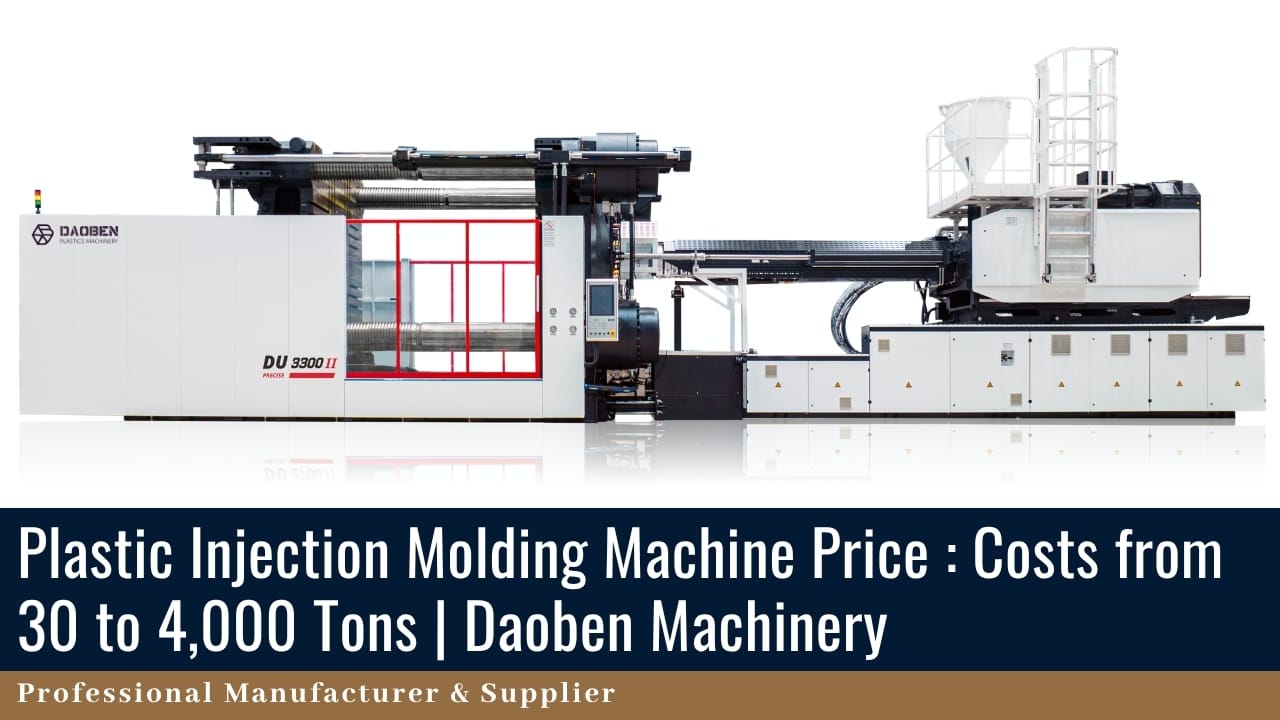
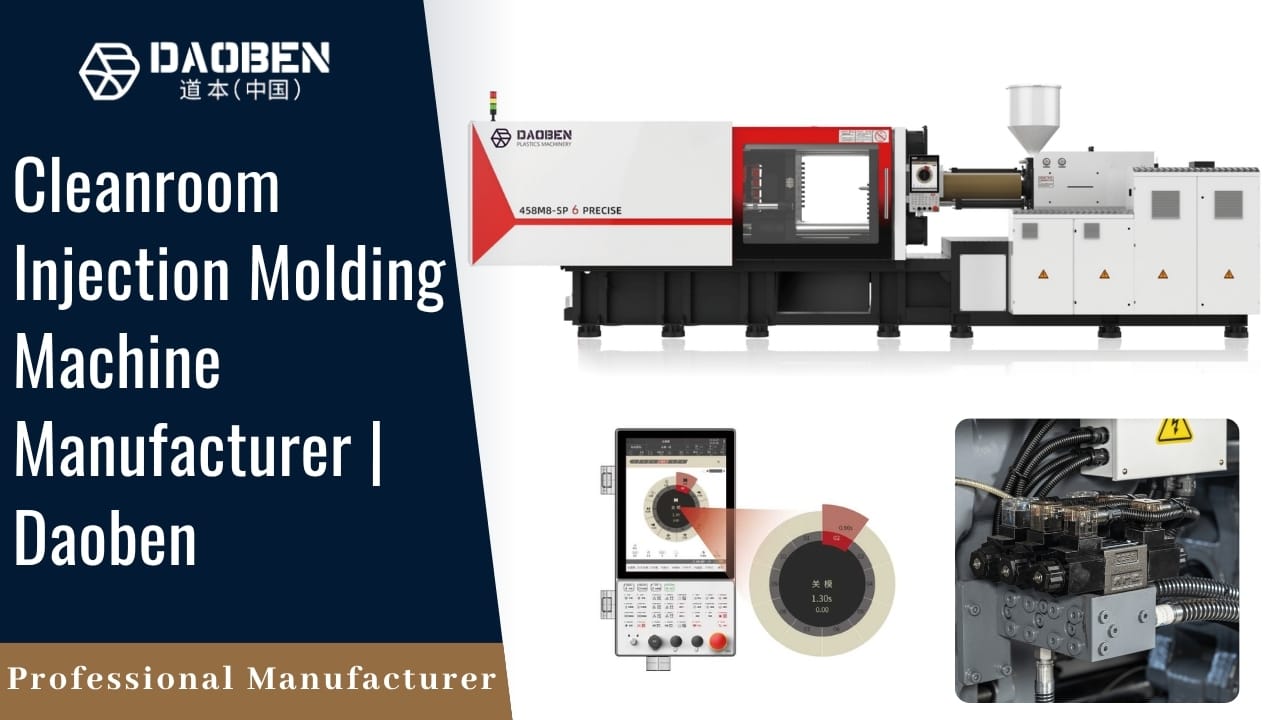
For most medical device components, buy an all-electric medical injection molding machine of 30–300 tons with closed-loop control, cleanroom-ready covers, and full process data logging. Choose a hybrid or servo-hydraulic model with sealed oil systems only for larger or thicker parts.
What Makes a Medical Injection Molding Machine Different?
A medical injection molding machine differs from a standard press in cleanliness, precision, and traceability. It keeps oil, grease, and particles away from the mold area, holds very tight shot-to-shot consistency, and records every cycle. These traits help device makers prove that each part meets its validated process.
Cleanliness by design
Medical machines use enclosed toggles, sealed lubrication, and smooth, easy-clean covers. Many use stainless steel or coated panels. In addition, some route cooling air away from the mold so the machine does not stir up particles.
Precision and repeatability
Medical parts often have walls under 1 mm and tight dimensional specs. Therefore, shot weight must stay highly consistent. Closed-loop screw control, precise temperature zones, and stiff platens make that possible. See our guide to high precision injection molding for more detail.
Traceability
Every batch must link back to its process settings. So the controller should log cycle data, alarms, and setting changes with user names and time stamps.
All-Electric vs Hydraulic: Which Medical Injection Molding Machine Type Fits?
All-electric machines are the first choice for most medical parts because they run without hydraulic oil near the mold, move with high precision, and use less power. Hybrid and servo-hydraulic machines still fit larger, thicker medical parts and housings, as long as oil systems are sealed and the mold area stays clean.
| Factor | All-electric | Hybrid | Servo-hydraulic |
|---|---|---|---|
| Cleanroom fit | Excellent (no oil at mold) | Good (oil in clamp only) | Fair (needs sealed oil system) |
| Shot repeatability | Very high | High | Good to high |
| Typical medical parts | Syringes, connectors, cartridges | Inhaler parts, housings | Large housings, trays |
| Practical tonnage | 30–300 t | 90–500 t | 60–1,000 t+ |
| Energy use | Lowest | Low | Low to medium |
| Upfront cost | Highest | Mid to high | Lowest |
For a deeper look at drive types, read our all-electric vs hydraulic injection machine comparison.
When hybrid makes sense
Hybrid machines inject with a servo-electric unit and clamp hydraulically. As a result, they combine precise injection with strong clamping. This suits medical housings and thicker parts where all-electric tonnage becomes costly.
How Do Cleanroom Rules Affect Your Medical Injection Molding Machine Choice?
Cleanroom rules decide how clean the machine must run and where it can stand. Many medical parts are molded in ISO Class 7 or Class 8 cleanrooms under ISO 14644-1. The machine must not shed particles or oil mist, and it must fit the room’s layout, airflow, and cleaning routine.
Cleanroom classes
ISO 14644-1 sets limits on airborne particles per cubic meter. Class 7 is common for device parts that touch the body. Class 8 often covers packaging and non-contact parts. In addition, some plants place only the clamp inside the clean zone and keep the injection unit outside.
Laminar flow over the mold
A common approach places a laminar flow hood over the mold area. This creates a local clean zone, even in a Class 8 room. Therefore, it lowers cost compared with building a larger high-grade cleanroom.
Room for automation
Robots remove parts without human touch, which cuts contamination risk. So plan the machine height and guard openings for a robot from the start. Our cleanroom injection molding guide explains layouts in detail.
Which Features Support Validation and ISO 13485 Compliance?
A medical injection molding machine supports validation when it offers locked process recipes, user access levels, audit trails, cycle data export, and stable closed-loop control. These features help makers complete installation, operational, and performance qualification. They also support ISO 13485 and the U.S. FDA’s QMSR.
IQ, OQ, and PQ
Installation qualification (IQ) confirms the machine is installed correctly. Operational qualification (OQ) tests that it runs within set limits. Performance qualification (PQ) proves it makes good parts over time. A stable machine shortens each step.
Regulatory context
ISO 13485:2016 defines quality management for device makers. In the USA, the QMSR now incorporates it by reference, effective February 2, 2026. As a result, U.S. and global molders now work to one aligned standard.
Supplier support
Ask the machine maker for calibration certificates, component lists, and a validation document pack. Read more in our guide on medical injection molders’ requirements and selection.
Mold Medical Parts With Confidence and Control
Medical molding rewards plants that control every variable. The right machine keeps the process stable, the mold area clean, and the data complete, so audits go smoothly and recalls stay rare.
Start by listing each part, its resin, cleanroom class, and tolerance. Then choose all-electric for small precise parts and hybrid for larger ones. Finally, confirm validation support before you sign the order.
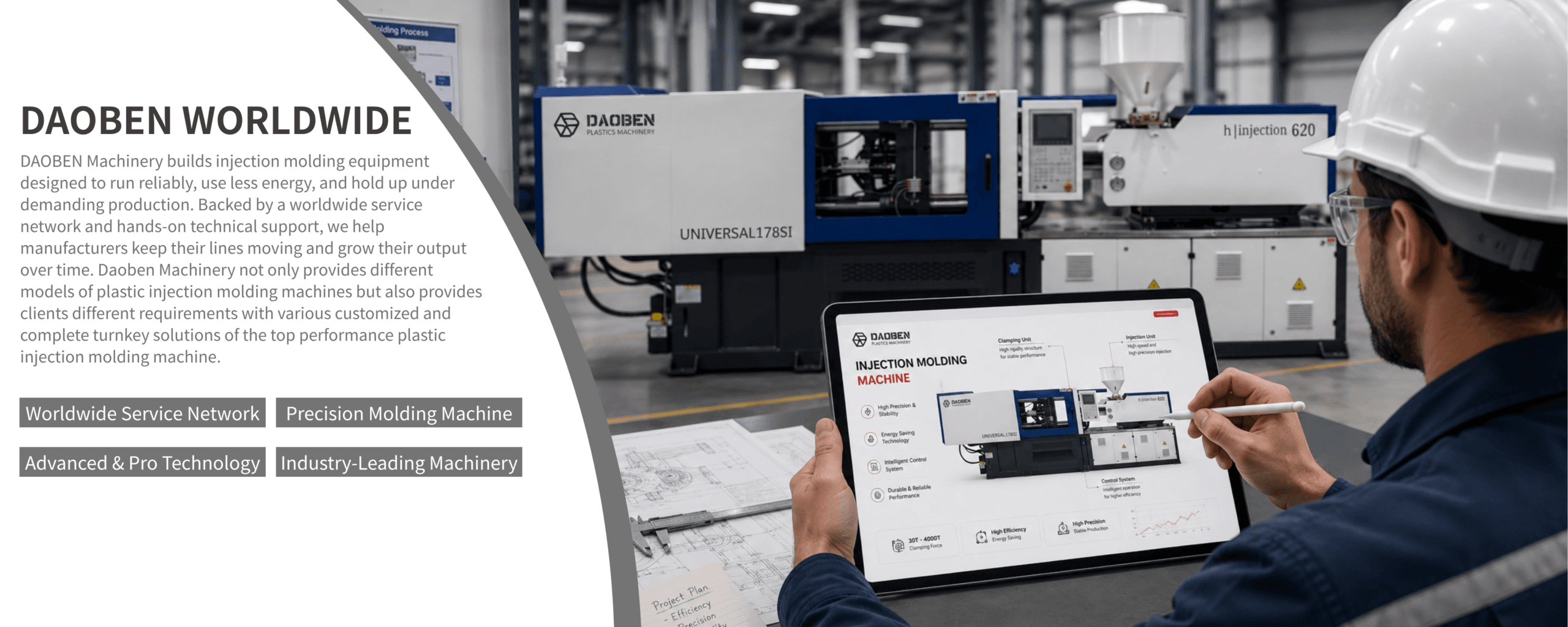
Daoben builds precision and hybrid machines in purification workshops and supports buyers in more than 35 countries. Explore Daoben injection molding machines and share your medical part details for a matched recommendation.
FAQ
What is the best machine type for medical injection molding?
An all-electric medical injection molding machine is the best type for most small, precise device parts. It keeps oil away from the mold, repeats shots very closely, and uses little power. For larger housings or thick parts, a hybrid machine with a sealed hydraulic clamp is a strong, lower-cost option.
Do medical parts have to be molded in a cleanroom?
Not always, but many are. Parts that contact the body, fluids, or drugs are often molded in ISO Class 7 or Class 8 cleanrooms. A medical injection molding machine with clean covers and a laminar flow hood over the mold can meet these needs without a full high-grade room.
What tonnage do medical device parts need?
Most medical device parts need 30–300 tons. Small connectors and microfluidic parts may need under 50 tons. Syringe barrels and housings often need 80–250 tons in multi-cavity molds. Size the medical injection molding machine by projected area, cavity count, and shot weight, with a safe margin.
Which plastics are common in medical molding?
Common medical plastics include PP, PC, PE, COC, COP, ABS, PEEK, and liquid silicone rubber. PP suits syringes and caps. PC and COC suit clear parts. Each resin needs the right screw and temperature range, so confirm the medical injection molding machine is set up for your grade.
What does ISO 13485 mean for molding machines?
ISO 13485 does not certify machines directly. Instead, it requires device makers to validate processes and control equipment. So a medical injection molding machine must support stable settings, records, and calibration. Since February 2, 2026, U.S. FDA rules also incorporate ISO 13485 by reference.