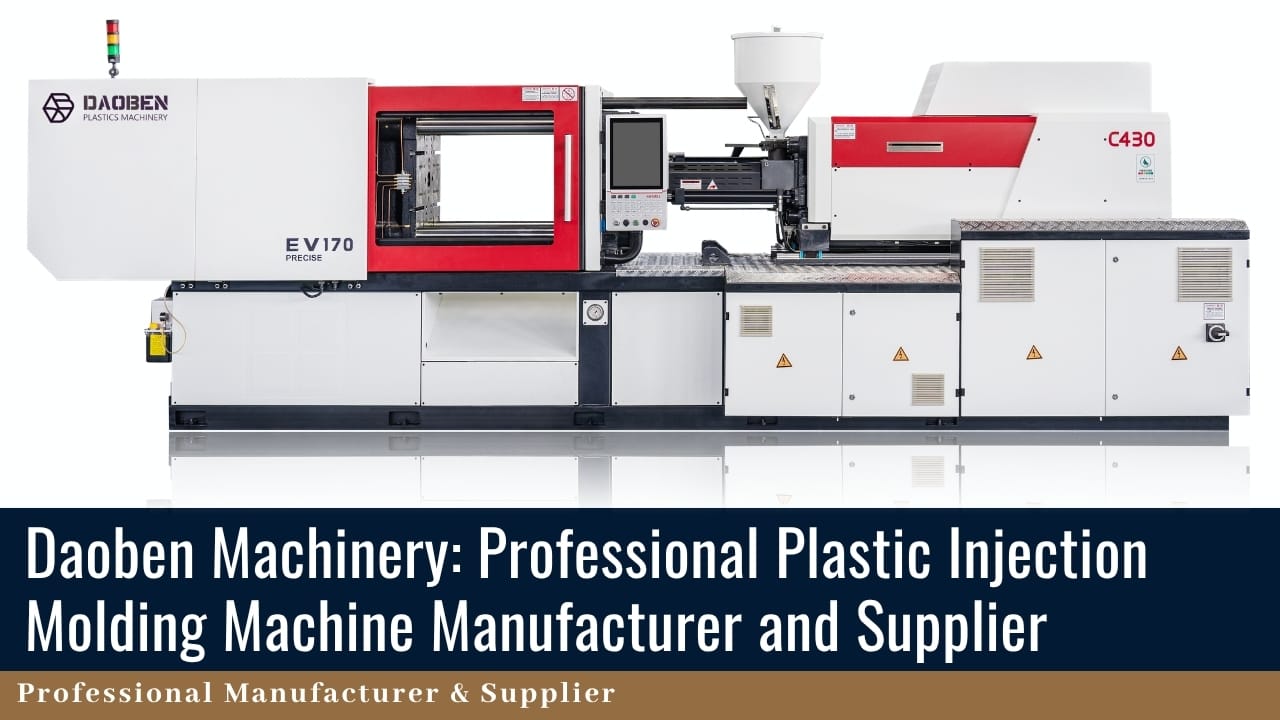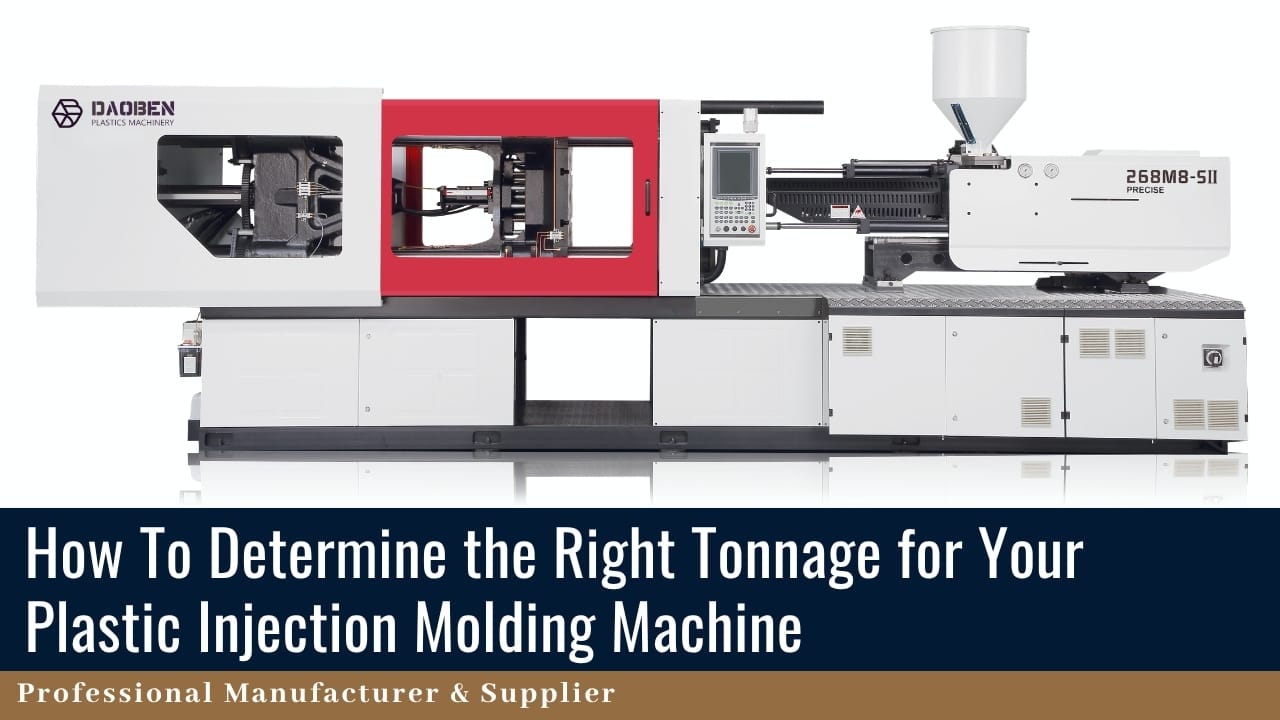

A thermoplastic injection molding machine melts plastic pellets, pushes the melt into a closed steel mold, and cools it into a finished part. One cycle takes about 5 seconds for a thin-wall cup. However, a car bumper can need more than a minute.
Most buyers understand that basic idea. Instead, they struggle with the choice. Two machines with the same 300-ton label can differ widely in drive type, screw design, energy bill, and price.
That gap matters because a thermoplastic injection molding machine often runs for 15 years or more. So a poor match between resin, mold, and machine costs money on every shot.
This article explains how the machine works, which types exist, and which checks protect your budget. It also covers power supply, climate, and safety rules for buyers in the USA, the UK, Türkiye, Malaysia, the Gulf states, South Africa, and Morocco.
Quick Answer: A thermoplastic injection molding machine heats plastic pellets to roughly 170–320°C, injects the melt into a clamped mold, and cools it into a solid part. The main types are servo-hydraulic, hybrid, all-electric, and two-platen. Before buying, check clamping force, shot size, screw design, mold fit, power supply, and safety compliance.
How Does a Thermoplastic Injection Molding Machine Work?
A thermoplastic injection molding machine works in a repeating cycle. First, a rotating screw melts pellets inside a heated barrel. Next, the screw pushes the melt into a clamped mold under high pressure. Then the mold cools the plastic, opens, and ejects the part. After that, the cycle repeats with no operator input.
The machine has two main halves. The injection unit prepares and delivers the melt. Meanwhile, the clamping unit holds the mold shut against injection pressure.
The injection unit melts and meters the plastic
Pellets drop from the hopper onto a reciprocating screw. The screw has three zones: feed, compression, and metering. Heater bands supply part of the heat. However, much of the melting energy comes from friction as the screw turns.
General-purpose screws use a length-to-diameter ratio (L/D) between 18:1 and 24:1. A longer screw mixes better, so it suits color masterbatch and recycled material.
Once the shot builds up in front of the screw, the screw moves forward like a plunger. A check ring stops the melt from flowing back. Injection pressure commonly reaches 150–200 MPa, and thin-wall machines go higher. For example, the Daoben EV Hybrid series reaches up to 300 MPa and up to 440 mm/s.
The clamping unit holds the mold shut
Clamping force is the headline number on every thermoplastic injection molding machine. Makers state it in tons or kilonewtons, and 1 ton equals about 10 kN. A toggle clamp uses mechanical links and closes fast. In contrast, a two-platen clamp applies direct hydraulic force and saves floor space on large machines.
Cooling usually takes the largest share of the cycle. Therefore, mold cooling design often limits output more than the machine does.
Why thermoplastics need a different machine than thermosets
Thermoplastics soften with heat and harden when cooled, and the change is reversible. As a result, a thermoplastic injection molding machine runs a hot barrel and a cold mold. Thermoset and liquid silicone machines do the opposite. They keep the barrel cool and heat the mold to cure the part. Because thermoplastics remelt, a granulator can also return sprues and rejects to the hopper.
What Types of Thermoplastic Injection Molding Machine Can You Buy?
Buyers can choose from four main types of thermoplastic injection molding machine: servo-hydraulic, hybrid, all-electric, and two-platen. The types differ in how they drive injection and clamping. Consequently, they differ in energy use, precision, speed, and price. Servo-hydraulic machines cover the widest tonnage range, so they remain the default for general molding.
| Machine type | How it is driven | Main strengths | Best-fit parts | Daoben example |
|---|---|---|---|---|
| Servo-hydraulic (toggle) | A servo motor runs the oil pump only when the machine moves | Wide tonnage range, lower purchase price, strong hold pressure | Household goods, crates, automotive trim | M8SII, M7, and Universal series |
| Hybrid | Servo-electric injection with hydraulic clamping | Fast, repeatable injection at moderate cost | Thin-wall packaging, precision parts | EV Hybrid, 90–268 tons, up to 440 mm/s |
| All-electric | Servo motors and ball screws on every axis | Lowest energy use, clean operation, highest repeatability | Medical, optical, and electronics parts | Closest match: EV Hybrid |
| Two-platen | Servo-hydraulic pump with direct clamping on four tie bars | Short footprint, long opening stroke, room for large molds | Bumpers, pallets, bins, appliance panels | DU series with KEBA controller |
Energy use separates the types
Energy is a major running cost of a thermoplastic injection molding machine after resin. As a rule of thumb, a servo-pump machine uses roughly half the energy of an old fixed-pump hydraulic machine. All-electric machines can go lower. For example, a Vermont Energy Investment Corporation case study measured 0.278 kWh per pound on a hydraulic machine. The all-electric machine beside it used 0.073 kWh per pound on similar parts.
However, results depend on cycle time and part weight. Therefore, ask each supplier for energy data measured under EUROMAP 60.1. That recommendation sets one test method for every brand.
When a hybrid or servo-hydraulic machine is the better buy
All-electric machines often cost 10–20% more than hydraulic machines of equal tonnage. In addition, molds with hydraulic core pulls need a separate power pack on an all-electric machine. So many packaging and automotive molders choose hybrid or servo-hydraulic machines instead. Very large parts usually go to two-platen machines, because the shorter frame saves floor space.
Which Thermoplastic Resins Change the Machine You Need?
The resin decides the screw, the barrel temperature, and the drying equipment on a thermoplastic injection molding machine. Commodity resins such as PP and HDPE run on a general-purpose screw. In contrast, PC, PA, PET, and rigid PVC each need a specific screw design, tighter temperature control, or pre-drying before molding.
| Resin | Typical melt temperature | Pre-drying | Machine note |
|---|---|---|---|
| PP | 200–280°C | Not needed | General-purpose screw, fast cycles |
| HDPE | 200–280°C | Not needed | General-purpose screw, high shrinkage |
| ABS | 210–270°C | About 80°C for 2–4 hours | Hopper dryer |
| PC | 280–320°C | About 120°C for 3–4 hours | Dehumidifying dryer, high-temperature heater bands |
| PA6 / PA66 | 240–290°C | About 80°C in a dehumidifying dryer | Shut-off nozzle to stop drool |
| PET | 260–290°C | 150–170°C in a dehumidifying dryer | Dedicated PET screw, such as the Daoben PET series |
| Rigid PVC | 170–200°C | Usually not needed | Corrosion-resistant screw, short residence time |
These values are typical ranges. Always follow the resin supplier’s data sheet for the exact grade.
Moisture is the hidden problem. PET, PC, PA, and ABS absorb water from the air. Consequently, wet pellets cause silver streaks and brittle parts. A hopper dryer handles ABS. However, PET and PC need a dehumidifying dryer, because hot air alone cannot reach the low moisture level they require.
Heat-sensitive resins bring a second risk. Rigid PVC releases corrosive gas when it overheats. So a PVC machine needs a chrome-plated or stainless screw and a barrel sized close to the shot weight.
Recycled content adds a third factor. Regrind melts less evenly than virgin pellets. Therefore, choose a longer screw and ask for a mixing section. In addition, a bimetallic barrel resists wear from glass-filled grades. For example, Daoben fits a hard-chrome screw and a bimetallic barrel as standard on its EV Hybrid models.
What Should You Check Before Buying a Thermoplastic Injection Molding Machine?
Check five things before buying a thermoplastic injection molding machine: clamping force, shot size, mold fit, power supply and climate, and safety compliance. Each check uses numbers from your own mold and resin. Therefore, collect the mold drawing, part weight, and resin grade before you request a quote.
1. Clamping force
First, multiply the projected area of all cavities and runners by a tonnage factor. Plastics Technology reports typical factors from 2 to 10 tons per square inch and suggests 3 tons per square inch as a starting point. For example, a four-cavity mold with 40 square inches of projected area needs about 120 tons. Then add a 10–20% margin. However, far more tonnage wastes energy and can crush mold vents.
2. Shot size
Second, compare shot weight with barrel capacity. Part weight plus runner weight should fall between 20% and 80% of the rated shot. Below 20%, the melt sits too long in the barrel and degrades. Above 80%, the screw struggles to recover in time. Also note that makers rate shot capacity in polystyrene. So a PP shot weighs roughly 15–20% less than the catalog figure.
3. Mold fit
Third, check the mold drawing against the machine. Compare tie-bar spacing, minimum and maximum mold height, opening stroke, and ejector stroke. As a rule, the opening stroke should exceed twice the part depth plus the sprue length. For example, the Daoben EV268 accepts molds from 220 to 600 mm thick and opens 560 mm.
4. Power supply and climate
Voltage and frequency differ by market. The USA and Saudi Arabia run 60 Hz grids. In contrast, the UK, Türkiye, Malaysia, the UAE, Qatar, Yemen, South Africa, and Morocco run 50 Hz. Three-phase voltage also varies from about 380 V to 480 V. So state your site voltage and frequency in the purchase order.
Climate matters as well. Gulf summers push ambient temperature above 45°C. Therefore, buyers in Saudi Arabia, Qatar, and the UAE should specify a larger oil cooler and a chiller sized for summer conditions.
5. Safety and compliance
ISO 20430:2020 sets the safety requirements for injection molding machines with hydraulic or electric platen drives. Gulf standards bodies under GSO also list it in their catalogs. In addition, the EU and Türkiye require CE marking. Great Britain accepts UKCA or CE marking. Buyers in the USA usually reference ANSI/PLASTICS B151.1.
So ask for the declaration of conformity before shipment. Also ask for the brand list of electrical parts. For example, Daoben fits Schneider, ABB, and OMRON components on its M8SII series.
How Do You Compare the Best Injection Molding Companies and Automation Options?
Compare the best injection molding companies on five points: tonnage range, drive technology, controller brand, spare-parts speed, and local service. Then check automation readiness, because robots and conveyors often add more output than raw machine speed. Brand reputation helps. However, a factory test with your own mold gives stronger proof.
Shortlisting suppliers
European brands such as Engel and KraussMaffei lead on heavy-duty precision. Japanese brands such as Sumitomo lead on all-electric machines. Meanwhile, Chinese brands such as Haitian, Yizumi, and Daoben compete on price per ton and delivery time. This performance review of leading injection moulding machine brands compares them point by point.
Plastic injection molding reviews on trade forums, factory-tour videos, and buyer groups add useful detail. Still, treat them as leads and not as proof. Instead, ask each supplier for two customer references in your region. Also ask for a recorded factory acceptance test on the exact model.
Price needs the same care. A budget machine can match a premium one on simple PP parts. However, tight-tolerance parts expose weaker controls and hydraulics. This comparison of premium and budget injection moulding machines shows where the extra money goes.
Planning automation from day one
The best injection moulding automation starts with standard interfaces on the thermoplastic injection molding machine itself. First, a EUROMAP 67 robot interface lets a take-out robot from any brand talk to the machine. Second, OPC 40077, formerly EUROMAP 77, sends job and process data to an MES. So one dashboard can track machines from different makers.
Auxiliary equipment completes the cell. Vacuum loaders, dryers, chillers, and granulators cut manual handling and scrap. For current options, read these automation trends in plastic molding equipment.
Match the Machine to Your Resin, Mold, and Site
A thermoplastic injection molding machine is a 15-year decision, so the checks above pay back many times. Start with the resin and the mold. Then size the clamp, the shot, and the dryer around them. Finally, confirm power, cooling, and safety paperwork for your country.
No single machine suits every factory. Your parts, resin, and site decide the right choice. A cap molder in Malaysia and a crate molder in Türkiye need different drives, screws, and cooling. So compare suppliers on measured energy and cycle data, and test with your own mold where possible.
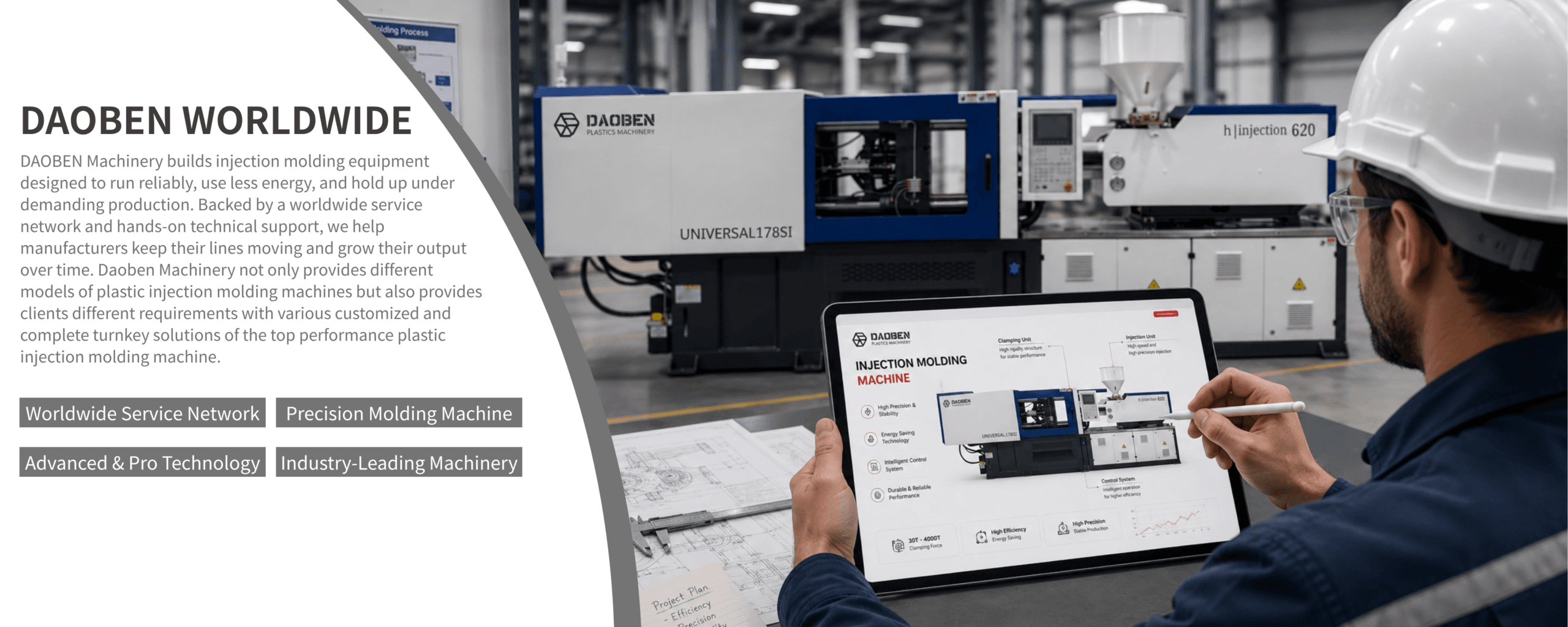
Daoben Machinery builds machines from 30 to 4,000 tons in Ningbo, China. The range covers servo-hydraulic, hybrid, two-platen, and PET models. In addition, the team supports mold analysis, plant layout, installation, and operator training.
Browse the full range of Daoben molding machines to compare series and tonnage. Then send your mold drawing and resin grade to the Daoben team for a sized recommendation.
Frequently Asked Questions
What is a thermoplastic injection molding machine used for?
A thermoplastic injection molding machine produces plastic parts in high volume. Typical products include bottle caps, food containers, crates, car bumpers, appliance housings, syringes, and electrical connectors. The process suits any part that needs the same shape thousands or millions of times, because each cycle copies the mold cavity exactly.
What size thermoplastic injection molding machine do I need?
Size a thermoplastic injection molding machine by clamping force and shot weight. First, multiply the projected area of the mold by about 3 tons per square inch. Then confirm that the shot uses 20–80% of barrel capacity. Finally, check that the mold fits between the tie bars and within the opening stroke.
Is an electric or hydraulic machine better for thermoplastics?
Neither type wins every job. An all-electric thermoplastic injection molding machine gives the lowest energy use and the best repeatability, so it suits medical and electronics parts. However, servo-hydraulic machines cost less, handle large molds, and run hydraulic core pulls directly. Hybrid machines sit between the two.
Can one machine run different thermoplastic resins?
Yes. One thermoplastic injection molding machine can run PP, HDPE, ABS, and many other resins with a general-purpose screw. However, PET, rigid PVC, and glass-filled grades work better with dedicated screws and barrels. Also purge the barrel between resins, and add a dryer for moisture-sensitive grades such as PC and PA.
How long does a thermoplastic injection molding machine last?
A well-maintained thermoplastic injection molding machine often runs for 15 to 20 years. Screws, barrels, seals, and hydraulic oil wear first, so plan to replace them on schedule. In addition, a bimetallic barrel and a servo-driven pump extend service life, because they reduce wear and oil temperature.
What is the difference between thermoplastic and thermoset injection molding?
Thermoplastics melt with heat and harden when cooled, so scrap can go back into production. Thermosets cure through a chemical reaction and cannot remelt. Therefore, a thermoplastic injection molding machine runs a hot barrel and a cold mold, while a thermoset machine runs a cool barrel and a heated mold.