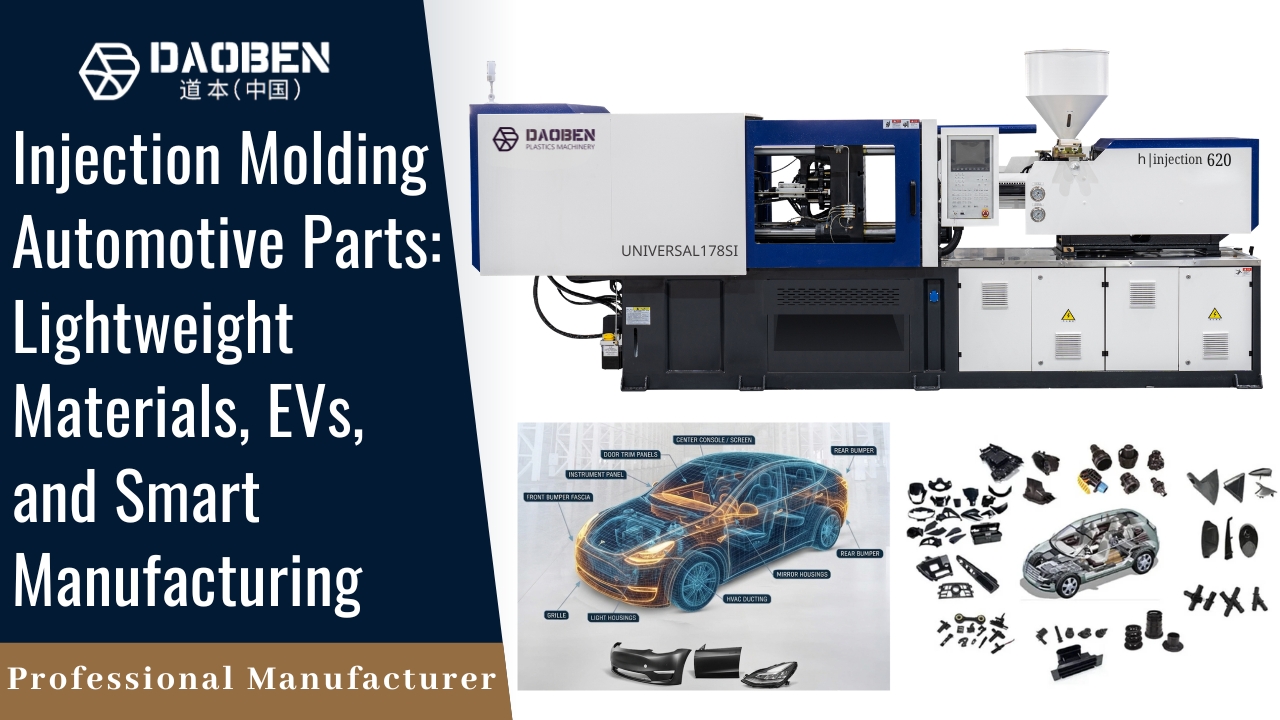
A modern passenger car holds nearly 150 kilograms of plastic, and most of it comes from one process. Injection molding automotive parts shape almost every visible and hidden surface in today’s vehicles, from front bumpers to battery trays under the seats. Major brands like Toyota, Volkswagen, and Ford depend on this method daily because it delivers tight tolerances and low per-unit cost at scale.
For B2B buyers, the stakes run high. A single tooling decision can affect production for five years or more. Material choice, machine tonnage, and supplier certifications all shape your final price, lead time, and warranty exposure.
This article covers the ten most common parts produced through automotive injection molding. You will also see which plastics dominate each application, what certifications real automotive suppliers must hold, and how to pick the correct machine size for your production volume.
Quick Answer: Injection molding automotive parts include bumpers, dashboards, door panels, grilles, headlight housings, engine covers, fluid reservoirs, center consoles, EV battery trays, and body cladding. These parts use plastics like polypropylene, ABS, polycarbonate, and reinforced nylon. Most automotive suppliers hold IATF 16949 certification, and required machine tonnage ranges from 200 tons for small clips to over 3,000 tons for full bumpers.
Why Injection Molding Automotive Parts Lead the Industry
Injection molding remains the top method for automotive plastic parts because it produces complex shapes in seconds with minimal scrap. A single bumper press makes one finished part every 45 to 60 seconds. Furthermore, the process handles colorants, ribs, threads, and snap-fits in one shot, which cuts assembly steps later.
Carmakers also like the cost curve. After the steel tool is paid off, the per-unit cost drops sharply. For example, a high-volume dashboard tool may cost $300,000 upfront, but the per-part cost can fall below $5 once volume passes 100,000 units. As a result, both Tesla and Hyundai use this process for nearly every interior trim piece.
Plastic parts also reduce vehicle weight. Lighter cars use less fuel, so brands meet emissions targets like Euro 7 and U.S. CAFE standards more easily. The share of plastic in cars has grown by nearly 75% over the past three decades, and most of that growth comes from injection molded components.
The Top 10 Injection Molding Automotive Parts in Modern Vehicles
Below are the ten parts that account for the bulk of every car’s plastic content. Each uses different materials and machine sizes, but all share the same process: melt the resin, inject it into a steel mold, cool, eject, repeat. These ten injection molding car parts appear in nearly every passenger vehicle built today.
1. Front and Rear Bumpers
Bumpers are the largest single injection molded part on most cars. They use thermoplastic polyolefin (TPO) for its blend of impact strength and surface finish. A full bumper needs a press of 2,500 to 4,000 tons because of its size. Toyota, Honda, and Volkswagen all use this method for nearly all their bumper covers.
2. Dashboard and Instrument Panel
The dashboard is one of the most complex molded parts in the cabin. Most carmakers use ABS or a PC/ABS blend for the visible surface, with PP or SMA for hidden structures. A dashboard often needs a 2,000-ton press and uses multi-shot tooling to combine soft-touch and hard surfaces in one part.
3. Door Panels and Interior Trim
Door panels combine structure, storage, and finish in one molded piece. PP with talc or glass-fiber reinforcement is the standard material. These panels typically come off 1,500- to 2,500-ton machines. Brands like Ford and Hyundai use this method to keep cabin weight down while passing side-impact safety tests.
4. Grilles and Front-End Modules
Grilles use ABS or PC/ABS for their balance of paintability and stiffness. Many premium brands plate the grille with chrome after molding. A standard car grille comes from a 1,000- to 1,500-ton machine. BMW and Audi both use multi-cavity tools to mold left and right halves at the same time.
5. Headlight and Taillight Housings
Headlight housings use polycarbonate for the clear lens and PP or PBT for the body. PC offers high clarity and resists UV when coated correctly. Most lens production happens on 800- to 1,500-ton presses with very clean tooling, because any flow line shows in the final beam pattern.
6. Engine Covers and Air Intake Manifolds
Under the hood, glass-filled nylon (PA66-GF30) dominates. The material handles temperatures above 150°C and resists oil and coolant. Air intake manifolds replaced aluminum in most cars during the 2000s because plastic is lighter and quieter. These parts need 1,000- to 2,000-ton machines with precise temperature control.
7. Fluid Reservoirs and Under-Hood Components
Coolant tanks, washer fluid bottles, and brake fluid reservoirs all use polyethylene or polypropylene. The material must resist chemicals and stay flexible across a wide temperature range. These small parts come off 200- to 600-ton machines and often run in 4- or 8-cavity tools for high volume.
8. Center Consoles and Cup Holders
Center consoles use PP, ABS, or PC/ABS depending on the finish. The part hides wiring, holds the shifter, and supports the armrest. A typical console takes a 1,000- to 1,500-ton press. Many brands now add soft-touch overmolding for a premium feel, which adds a second molding step.
9. Battery Housings and EV Components
Electric vehicles have pushed demand for large flame-retardant plastic housings. EV battery trays use PA6 or PP with flame-retardant additives that meet UL 94 V-0. These housings can need presses over 3,000 tons. Tesla, BYD, and Volkswagen ID. series all use injection molding for various EV battery enclosure parts.
10. Exterior Body Cladding and Fenders
Rocker panels, wheel arch trims, and some full fenders use TPO or PP-based blends. The material absorbs minor impacts without cracking and reduces weight versus steel. Body cladding typically needs a 2,000- to 3,500-ton press. Brands like Subaru and Jeep use plastic fenders to cut weight on off-road models.
Common Materials Used in Automotive Injection Molding
Material choice drives part cost, weight, and durability. Most carmakers stick to a short list of proven resins. The table below shows the most common materials for automotive injection molding and where each one fits best.
| Material | Common Parts | Key Properties | Typical Cost (USD/kg) |
|---|---|---|---|
| Polypropylene (PP) | Bumpers, door panels, fluid tanks | Light, chemical-resistant, low cost | $1.20–$1.80 |
| ABS | Dashboards, grilles, consoles | Paintable, impact-resistant | $2.00–$2.80 |
| PC/ABS Blend | Premium trim, grilles | Stronger than ABS, heat-stable | $3.00–$4.00 |
| Polycarbonate (PC) | Headlight lenses | Clear, tough, UV-stable with coating | $3.50–$5.00 |
| Nylon (PA66-GF30) | Engine covers, intake manifolds | Heat-resistant, stiff | $4.00–$6.00 |
| TPO | Bumper fascias, body cladding | Flexible, paintable, low warp | $2.20–$3.00 |
According to industry reports on plastic parts production, automated injection molding machines can cut per-unit costs by 20% to 40% compared to manual or semi-automatic setups. That gap matters most on parts produced in millions per year.
Certifications Every Automotive Injection Molding Supplier Must Hold
Tier 1 and Tier 2 suppliers must meet strict quality standards. The most important certification is IATF 16949, which builds on ISO 9001 and adds automotive-specific requirements like PPAP, APQP, and FMEA. Without it, most carmakers will not even consider a supplier.
Other key standards include ISO 14001 for environmental management and ISO 45001 for worker safety. Many global brands also require IMDS (International Material Data System) reporting to track every substance used in a part. For EV battery parts, suppliers often need UL certification for flame retardance as well.
When sourcing automotive injection molding services or buying machines for an automotive shop, always ask for proof of these certifications. A real Tier 1 supplier will share audit reports and quality records during the RFQ process. Also ask for PPAP documents at level 3 or higher for critical safety parts.
Choosing the Right Machine Size for Injection Molding Car Parts
Machine tonnage is the single biggest factor in what you can mold. The rule of thumb is 4 to 8 tons of clamping force per square inch of projected part area. So, a small clip might need 80 tons, while a full SUV bumper can need 3,500 tons or more.
For example, a dashboard with a 600 square inch projected area at 5 tons per square inch needs a 3,000-ton press. Tesla reportedly uses 6,000- to 9,000-ton presses for giga-casting work, but those are aluminum die-cast, not plastic injection. For plastic injection molding car parts, 4,000 tons covers most large automotive applications.
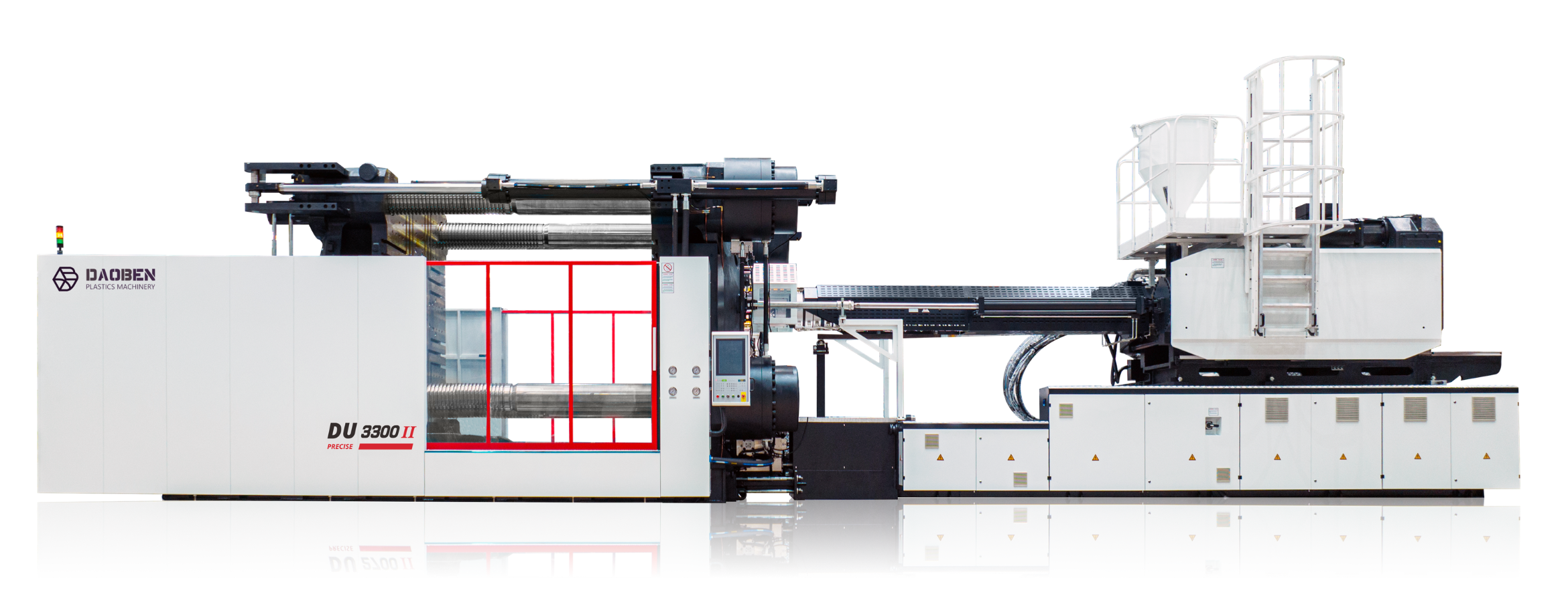
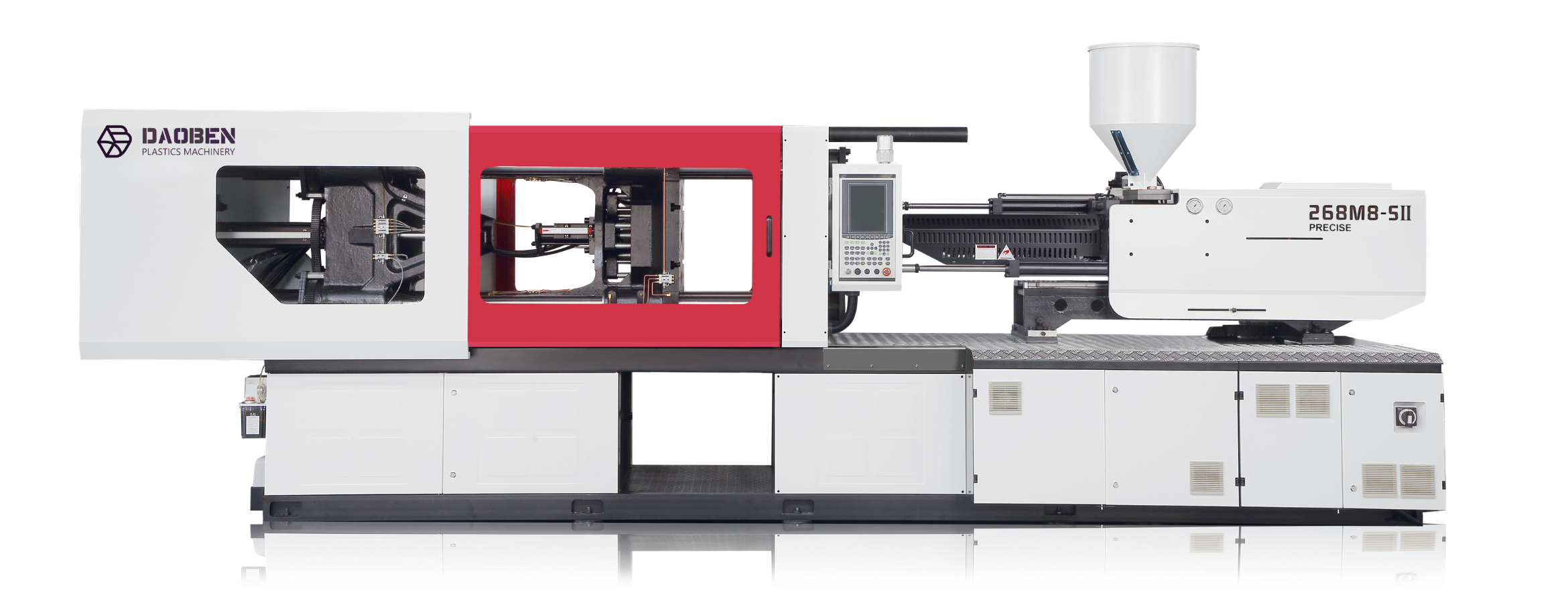
Daoben Machinery produces plastic injection molding machines from 30 to 4,000 tons, which covers every part listed in this article. For a clear breakdown of pricing across machine sizes, see our 2025 injection molding machine price guide. If you are comparing global brands, our review of the top 10 injection molding machine brands gives a side-by-side look at quality, lead time, and cost.
Frequently Asked Questions
What plastics are most used for injection molding automotive parts?
Polypropylene, ABS, polycarbonate, and glass-filled nylon are the top four plastics for injection molding automotive parts. PP dominates bumpers and interior trim. ABS handles dashboards and grilles. PC works for headlight lenses. Nylon serves under-hood parts that face heat and oil exposure.
How many automotive parts can one injection molding machine produce per day?
A single injection molding machine can produce between 500 and 20,000 parts per day, depending on part size and cycle time. Small clips on a 200-ton press cycle in 8 seconds, yielding over 10,000 units. Large bumpers cycle in 60 seconds, producing about 1,200 parts per shift per machine.
What is the minimum order quantity for custom injection molding car parts?
Most automotive injection molding suppliers set minimum order quantities between 5,000 and 50,000 units for custom parts. Tooling costs of $20,000 to $300,000 must be spread across the order. For prototype runs, some suppliers offer aluminum tools that last 5,000 to 10,000 shots at lower upfront cost.
How long does it take to tool up a new injection molded car part?
New automotive tool development takes 12 to 20 weeks on average. The steps include design review, mold flow analysis, steel cutting, sampling, and PPAP approval. Complex parts like dashboards can take 24 weeks or more. Faster timelines are possible with experienced suppliers and proven tool steel grades.
Do EV makers use the same injection molding car parts as traditional cars?
Yes, EV makers use most of the same injection molding car parts as gas vehicles, including bumpers, dashboards, and door panels. However, EVs add unique parts like battery housings, motor covers, and high-voltage connector blocks. These often need flame-retardant grades of nylon or PP that meet UL 94 V-0 standards.
What machine size do I need to produce a car bumper?
You need a 2,500- to 4,000-ton injection molding machine to produce a full passenger car bumper. The exact tonnage depends on bumper length, wall thickness, and material. A compact car bumper may run on 2,500 tons, while a full-size SUV bumper often requires 3,500 to 4,000 tons of clamping force.
Building a Reliable Supply Chain for Injection Molding Automotive Parts
The right injection molding automotive parts supplier saves you money for years, not just on the first order. A poor partner costs you in rework, warranty claims, and missed launch windows. So focus your search on three things: IATF 16949 certification, machine capability that matches your part size, and a track record with Tier 1 or Tier 2 automotive work.
Daoben Machinery builds presses from 30 to 4,000 tons that serve every part covered in this article, from small fluid reservoirs to full-size bumpers. Our customers include automotive component makers across Europe, Asia, and Latin America. If you produce in Turkey, our team also supports local buyers through our plastik kasa makinası 2025 guide.
If you are planning a new line or scaling an existing one, talk to our team about your automotive parts production needs. We will help you size the machine, pick the right control package, and connect you with tooling partners who understand automotive quality.