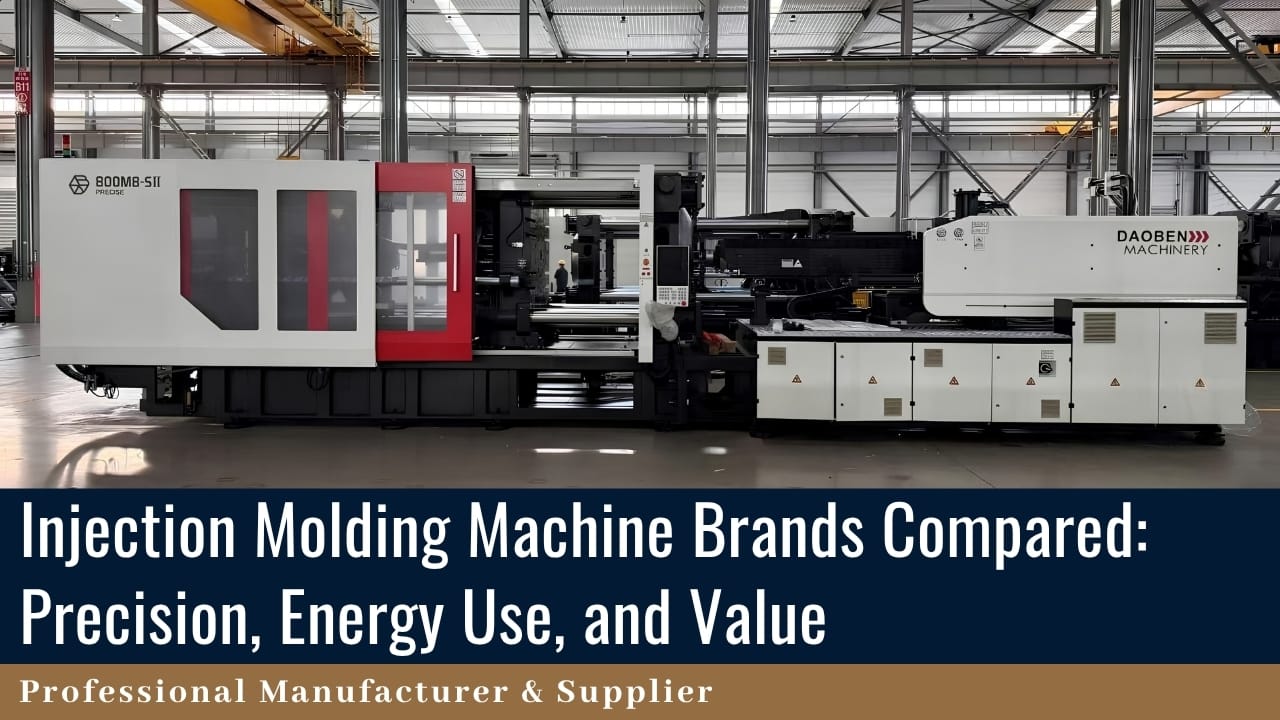
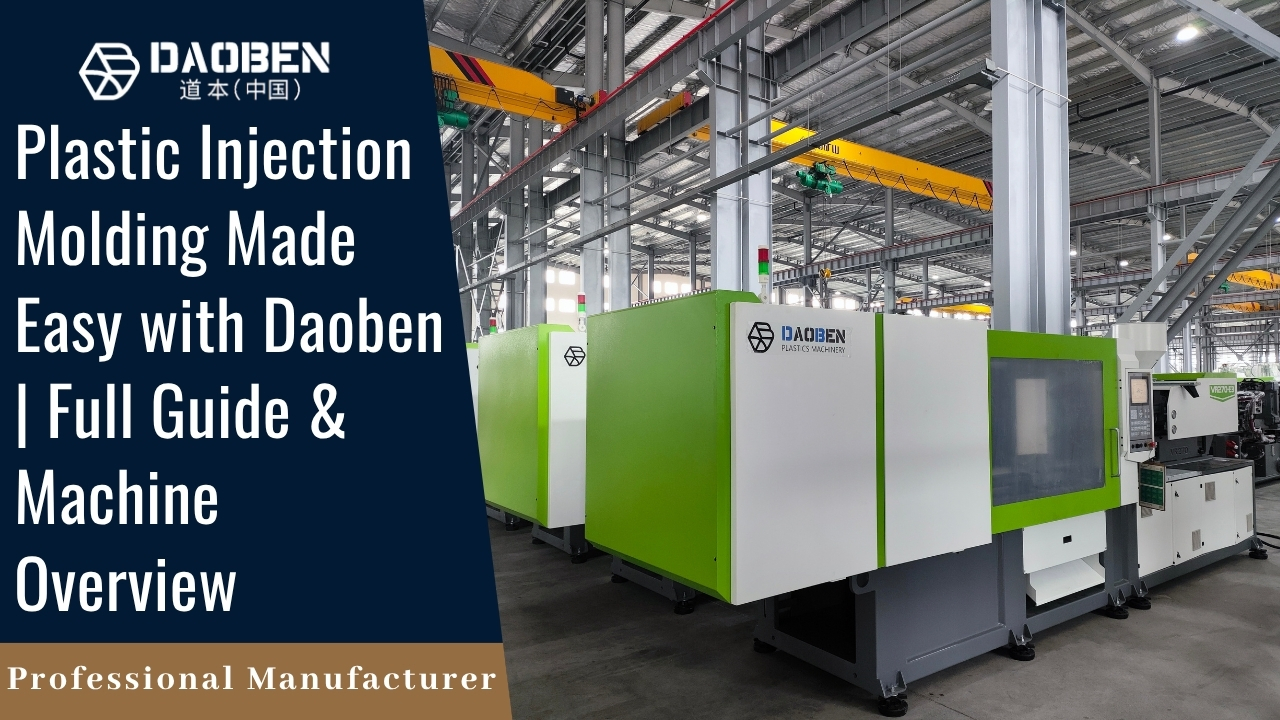
If you’re searching “buy injection molding machine,” you’re probably balancing speed, cost, and quality under real-world pressure—new project launches, vendor lead times, and capex approvals. This guide gives you practical, experience-backed advice with comparisons, a quick-sizing checklist, and tables you can share with your team. No fluff—just what you need to choose the right press and avoid painful mistakes.
Step 1: Define the Job, Not the Machine
Before you buy, document these specifics:
- Part & Mold Details
- Max part size (L × W × H)
- Projected area (cm² or in²) and runner system
- Number of cavities, mold weight, mold dimensions, center distance
- Gate style, expected cycle time, tolerance stack-up
- Material
- Resin (e.g., PP, ABS, PA66+GF30), melt flow index/viscosity, moisture sensitivity
- Processing window (melt temp, mold temp, shear sensitivity)
- Additives (glass fiber, flame retardant) that raise injection pressure
- Quality & Throughput
- Target Cp/Cpk, cosmetic class (A-surface?), dimensional control
- Annual volume, peak seasonal demand, acceptable scrap rate
- Plant Realities
- Power availability (kVA), air, chilled water, floor space, ceiling height, crane capacity
- Operator skills, maintenance capability, automation plans
- Environmental and EHS constraints (noise, oil management, energy policy)
Why this matters (experience tip): Most costly buyer’s remorse comes from ignoring one constraint—like mold daylight, platen hole pattern, or insufficient injection pressure for glass-filled resins. Capture these early and you’ll eliminate 70% of bad fits.

Step 2: Size the Machine Like a Pro
A. Clamp Tonnage (the “grip”)
A practical rule of thumb:
- Required clamp force (tons) ≈ (Projected area × Injection pressure) / Safety factor
Typical shorthand many shops use:
- Commodity resins: 2–4 tons per in²
- Stiffer/filled resins or thin walls: 4–6+ tons per in²
Always add 10–20% safety for parting-line flashes, runner pressure, and wear.
B. Injection Unit (the “shot”)
Check:
- Shot size (cm³ or oz): Your part + runner volume should be 30–80% of the machine’s max shot to maintain residence time and control.
- Injection pressure & speed: Thin walls and reinforced resins need higher pressure and fast response.
- Screw & L/D: Choose a screw suitable for your resin (mixing for colorants, wear-resistant for glass fiber).
C. Daylight, Tie-Bar Spacing, Platen Size
- Ensure tie-bar spacing and mold height/daylight match your largest mold.
- Confirm ejector stroke, nozzle type, and hot-runner interface.
- Check platens for T-slot or threaded pattern compatibility with your standards.
Step 3: Electric vs Hydraulic vs Hybrid—What’s Best?
| Machine Type | Where It Shines | Energy Use | Precision & Repeatability | Upfront Cost | Maintenance |
|---|---|---|---|---|---|
| All-Electric | Tight tolerances, cleanrooms, micro/medical, connectors | Lowest | Highest | Higher | Low (no hydraulic oil) |
| Hydraulic | Thick parts, large tonnage, rugged molds, budget-sensitive | Highest | Good (less precise than electric) | Lowest | Moderate–High (oil, valves) |
| Hybrid | General-purpose, balance of power & efficiency | Mid | High | Mid–High | Moderate |
Experience note: If you run cosmetic parts with narrow windows (e.g., optical, medical, connectors), an electric press will pay for itself in scrap reduction and energy savings. For large bins or automotive brackets, hydraulics may still be the economical workhorse. Hybrids often give a sweet spot for multi-product factories.
Step 4: New vs Used—Run the Numbers
| Factor | New Machine | Used Machine |
|---|---|---|
| Price | Higher | Lower (30–60% less) |
| Warranty/Support | Full, faster parts | Limited/variable |
| Energy Efficiency | Latest motors & drives | Older tech, higher kWh/part |
| Downtime Risk | Low initially | Depends on rebuild quality |
| Validation | Easier for regulated sectors | Requires extra qualification |
| Lead Time | Weeks–months | Immediate if in stock |
When used wins: You have a short-term program, non-regulated parts, a trusted rebuilder, and spare parts are widely available.
When new wins: You need validation, low energy cost, tight Cp/Cpk, and multi-year uptime guarantees.

Step 5: Don’t Forget TCO (Total Cost of Ownership)
Upfront price is loud; lifetime cost is louder. Consider:
- Energy: Electric/hybrid can cut 30–60% vs hydraulic—huge at high utilization.
- Scrap: Better repeatability = fewer rejects; each percent matters at scale.
- Cycle time: Faster response and parallel movements shave seconds off cycles.
- Maintenance: Oil changes, leaks, pump rebuilds, and unplanned downtime add up.
- Training & Support: Operator learning curve and vendor responsiveness protect your OEE.
Quick scenario: Cutting cycle time from 32 s to 29 s at 85% uptime yields ≈10% more parts/year. That throughput gain often beats a cheaper sticker price.
Step 6: Vendor Shortlist—How to Compare Offers (Fast)
Request quotes for molding machine with identical data packs: target materials, mold list, required tonnage/shot, automation plans, utilities, and acceptance tests. Then score vendors on:
- Process capability: Provide sample runs or simulations for your thinnest, most challenging part.
- Controls & UI: Recipe management, SPC charts, alarms, remote diagnostics, open protocols (OPC UA), and MES compatibility.
- After-sales: Local technicians, spare-parts lead time, hotline hours, loaner units for critical failures.
- Warranty & SLAs: Response times and guaranteed uptime during the first year.
- Training: Operator + process engineer courses, on-site during commissioning.
Comparison Table Template (fill with your quotes)
| Criterion | Vendor A | Vendor B | Vendor C |
|---|---|---|---|
| Clamp Tonnage | 220 T | 200 T | 230 T |
| Shot Size (cm³) | 450 | 380 | 460 |
| Max Injection Pressure (bar) | 2300 | 2000 | 2400 |
| Energy Use (kWh/cycle, test part) | 0.38 | 0.52 | 0.41 |
| Lead Time | 10 weeks | 6 weeks | 12 weeks |
| Warranty | 24 mo | 12 mo | 24 mo |
| Local Techs | 4 | 2 | 6 |
| Quote (FOB) | $$ | $ | $$ |
(Replace with real numbers; standardize test parts for fair energy comparisons.)
Step 7: Acceptance Tests That Protect You
Before you release the final payment, run Factory Acceptance Test (FAT) and Site Acceptance Test (SAT) with measurable criteria:
- Cycle time on a representative mold within ±3% of quoted value
- Part weight repeatability over 300 cycles (Cpk target agreed)
- Start-up to first-good time after a planned stop
- Power draw over a full shift with your resin & mold
- Alarms & interlocks validation (e.g., safety gate, low oil, over-temp)
- Documentation: Electrical drawings, pneumatic, hydraulics, spare parts list, PM schedule
Trust tip: Write these into the purchase agreement. Everyone performs better when expectations are explicit.
Common Mistakes (and How to Avoid Them)
- Sizing only on clamp tonnage
Fix: Validate injection pressure, shot size, and plasticizing rate for your thinnest wall and most viscous resin. - Ignoring platen and tie-bar limits
Fix: Check mold widest dimension, bolt pattern, ejection, and daylight. - Underestimating utilities
Fix: Confirm power (kVA), chiller capacity, and air during simultaneous peak loads. - Skipping spare-parts due diligence
Fix: Ask for critical spares list and stocking location; test the support line. - Buying software blind
Fix: Demo the HMI: recipe lockouts, user permissions, trend charts, remote access, and data export format.
Quick Buyer’s Checklist (Printable)
- Part/mold data pack (area, runner, cavities, material)
- Tonnage calculation with 10–20% safety
- Shot size within 30–80% of machine max
- Injection pressure and plasticizing rate sufficient
- Tie-bar spacing, daylight, platen pattern confirmed
- Energy estimate under your typical cycle and resin
- Controls: MES/OPC UA, SPC, alarms, remote diagnostics
- Warranty, SLAs, technician coverage, spare parts
- FAT/SAT protocol attached to PO
- Training plan for operators and process engineers
Mini Case Snapshot (Experience → Action)
A medical molder running thin-wall PP housings switched from a 200T hydraulic to a 180T all-electric with higher injection speed. Scrap fell from 3.1% to 0.7%, Cp improved, and energy use per part dropped ~45%. The press was pricier upfront, but the payback hit in 18 months thanks to reduced scrap, faster cycles, and fewer maintenance stops.
Why Choose Daoben Machinery
When you’re about to buy an injection molding machine, the brand you pick determines your day-to-day stability for years—uptime, scrap, energy bills, even how confident your operators feel on the night shift. Here’s why teams like yours shortlist Daoben Machinery.
Built for Real-World Production (Not Showroom Demos)
- Process-first sizing: Application engineers help match clamp tonnage, injection pressure, and screw design to your resin mix (filled, flame-retardant, high-flow, etc.), not a generic catalog part.
- Cycle-time discipline: Fast response on injection/hold and parallel movements means you protect seconds every cycle—where ROI actually happens.
- Tooling fit-up done right: Tie-bar spacing, daylight, ejector stroke, platen pattern—validated against your mold drawings before PO.
Energy & TCO You Can Explain to Finance
- Servo-hydraulic and all-electric options: Choose the platform that best fits your precision/throughput/ROI target rather than being forced into one.
- Lower kWh/part focus: Practical optimizations—barrel zoning, smart idle modes, and accurate temperature control—reduce waste heat and power draw.
- Maintenance that saves money: Wear-resistant options for glass-filled resins, accessible service points, and a clear PM schedule keep unplanned stops down.
Controls Your Team Will Actually Use
- Clean, modern HMI: Recipe management, operator permissions, trending/SPC views, and alarm histories your supervisors can act on fast.
- Data-friendly by design: Open connectivity (e.g., OPC UA/MQTT ready) to plug into MES/quality dashboards without a custom science project.
- Remote support: Diagnostics and parameter tracebacks speed troubleshooting and shorten downtime.
Support That Shows Up
- Pre-PO consultation: Part/mold review so there are no surprises on shot utilization, residence time, or pressure limits.
- FAT/SAT with numbers: Factory and site acceptance tests measured on your mold, resin, and target cycle—so performance is proven, not promised.
- Training that sticks: Operator and process-engineer sessions focused on first-good parts, quick changeovers, and scrap control.
- Spare parts & response: Clear SLAs, recommended critical spares, and reachable technical help—because the press must earn every shift.
Configure, Don’t Compromise
- Applications: Medical, packaging, consumer goods, electrical connectors, automotive trim, and more.
- Options: Core-pull circuits, hot-runner interfaces, auto-lube, mold protection, in-press vision, robots/EOAT, conveyors, chiller integrations.
- Scalable tonnage & shot sizes: From small precision parts to larger structural components—so your fleet can grow consistently.
Quick Comparison Cheat Sheet
| What Matters Most | Daoben Machinery | Typical “Generic” Option |
|---|---|---|
| Application engineering | Mold/resin review with right-sized clamp & injection unit | One-size-fits-all spec sheet |
| Energy strategy | Servo-hydraulic / all-electric choices; kWh/part tracked | Nameplate kW only, limited guidance |
| Controls & data | Operator-friendly HMI; MES-ready connectivity | Closed or proprietary, limited SPC |
| Acceptance testing | FAT/SAT on your mold, measurable targets | Dry-cycle or catalog demo only |
| After-sales | Clear SLAs, training, recommended spares list | Reactive parts ordering, ad-hoc support |
| Customization | Options for hot runner, core-pull, vision, robotics | Minimal or costly retrofits later |
FAQ’s
Typically $30,000–$500,000+ depending on tonnage, electric vs. hydraulic, options, and whether it’s new or used.
Usually $200,000–$700,000+ (lower for used hydraulic, higher for new hybrid/all-electric with options).
Roughly $40,000–$150,000 new (often $20,000–$60,000 used), varying by brand and spec.